
Buying returned · Toys
Returned LEGO: how to assess a box with a dent
In short
Returned LEGO is a new set in a box that has been through something: a dent, a knock in transit or a return. So don't look at the cardboard, look at the bags. If the numbered bags are still sealed, the set is complete and unplayed. A pristine box doesn't make the set better, only neater.
 Enlarge
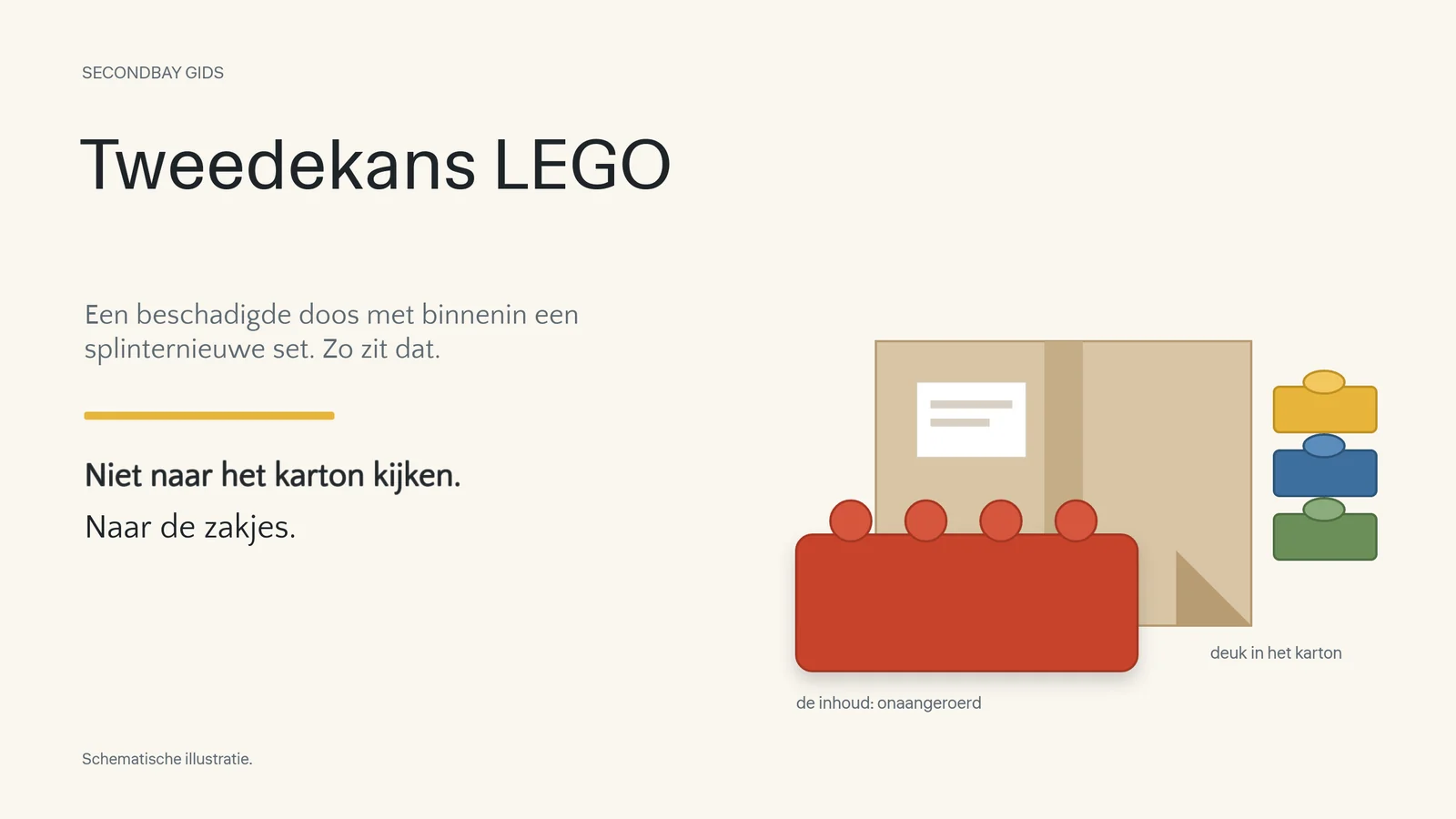
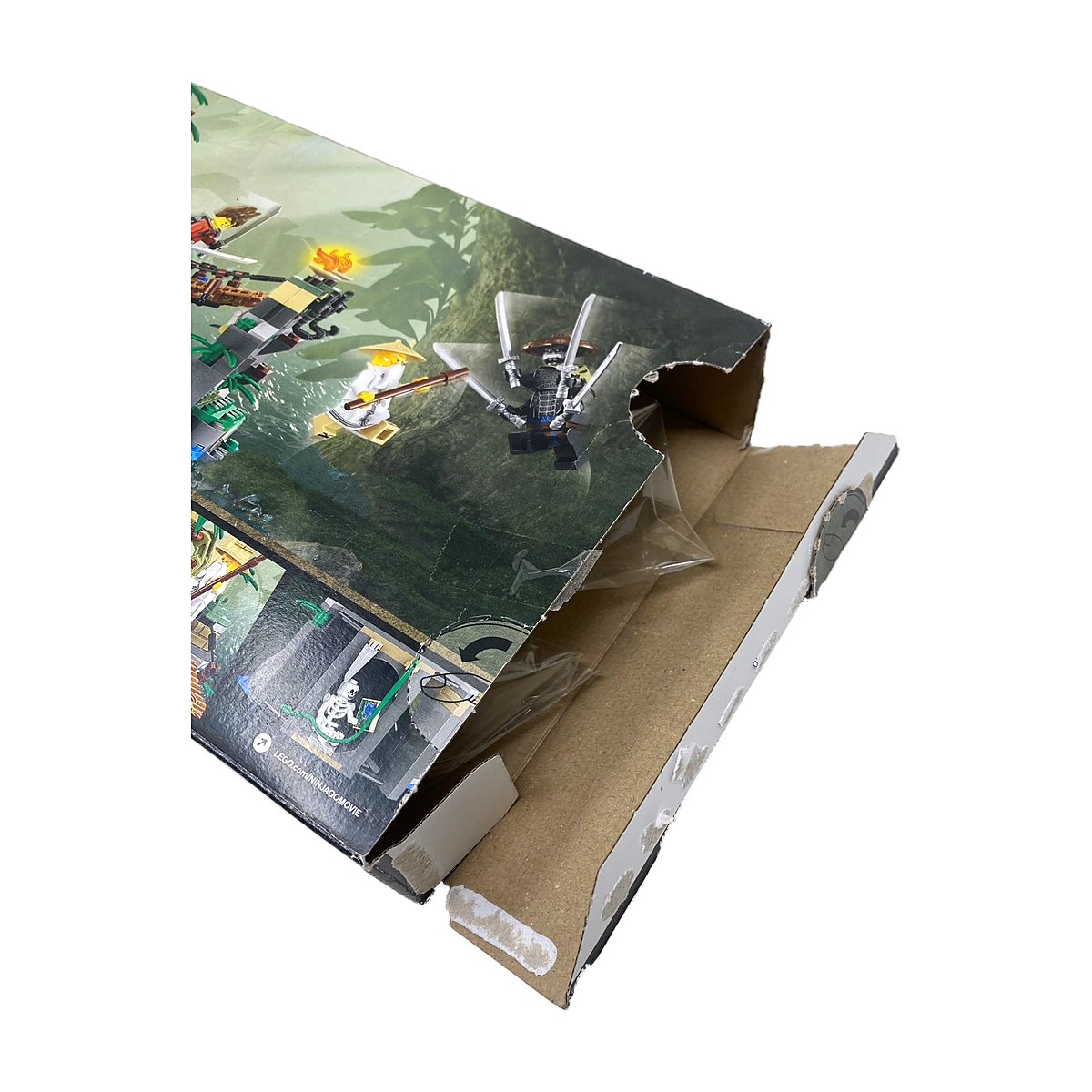
A dent in the box, so a worse set? With LEGO it doesn't work like that.
A returned LEGO box has been through something: a knock in transit, a fall from a warehouse shelf or a return. The outside is no longer pristine. Yet that cardboard says little about what's inside.
The first question is therefore not what does the box look like?, but: are the numbered bags still sealed?
If they are sealed, the contents are as LEGO assembled them in the factory. If a bag is open, it's a different story. This guide explains where the difference lies and what to look out for when you buy.
New, returned or second-hand?
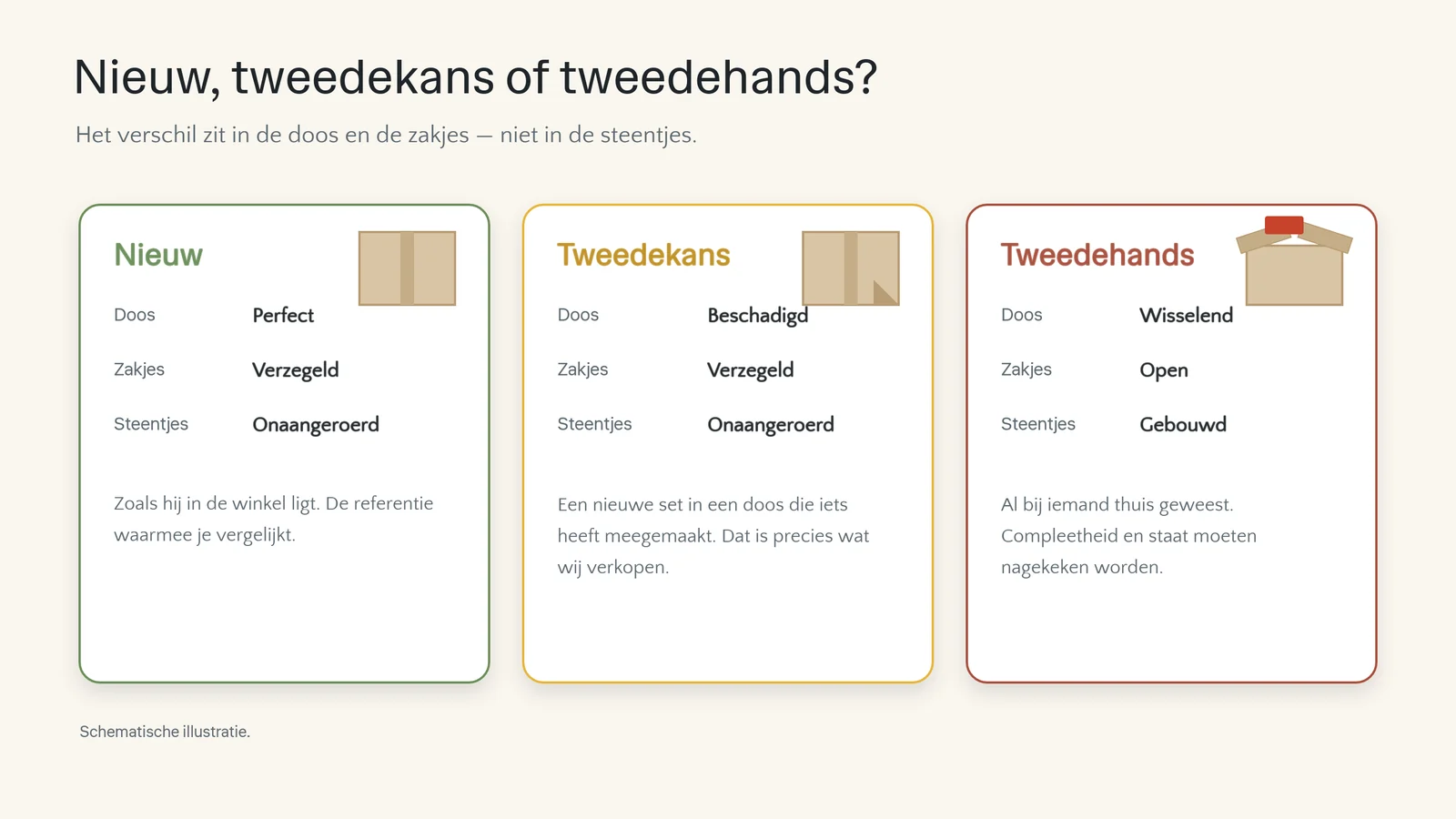
Everyone knows new and second-hand. Returned products sit in between, and that's exactly where the confusion arises.
 Enlarge
| Type | Box | Bags | Bricks and figures |
|---|---|---|---|
| New | Pristine | Sealed | Untouched |
| Returned | Damaged or opened | Sealed | Untouched |
| Second-hand | Opened | Open | Already built with |
In short: a returned product is not "almost second-hand". The difference from new is in the box; the difference from second-hand is in the bags.
Why the bags make the difference
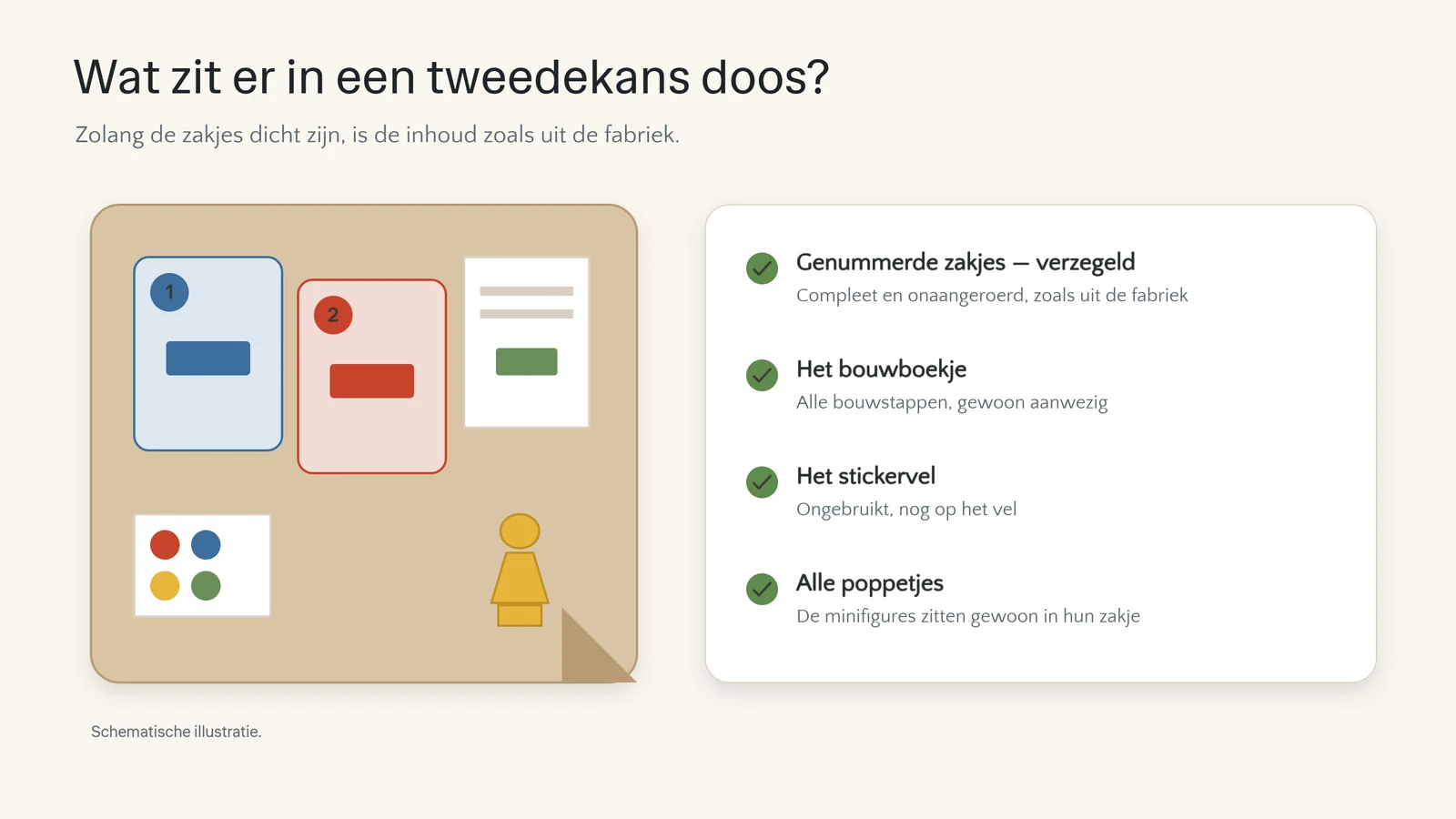
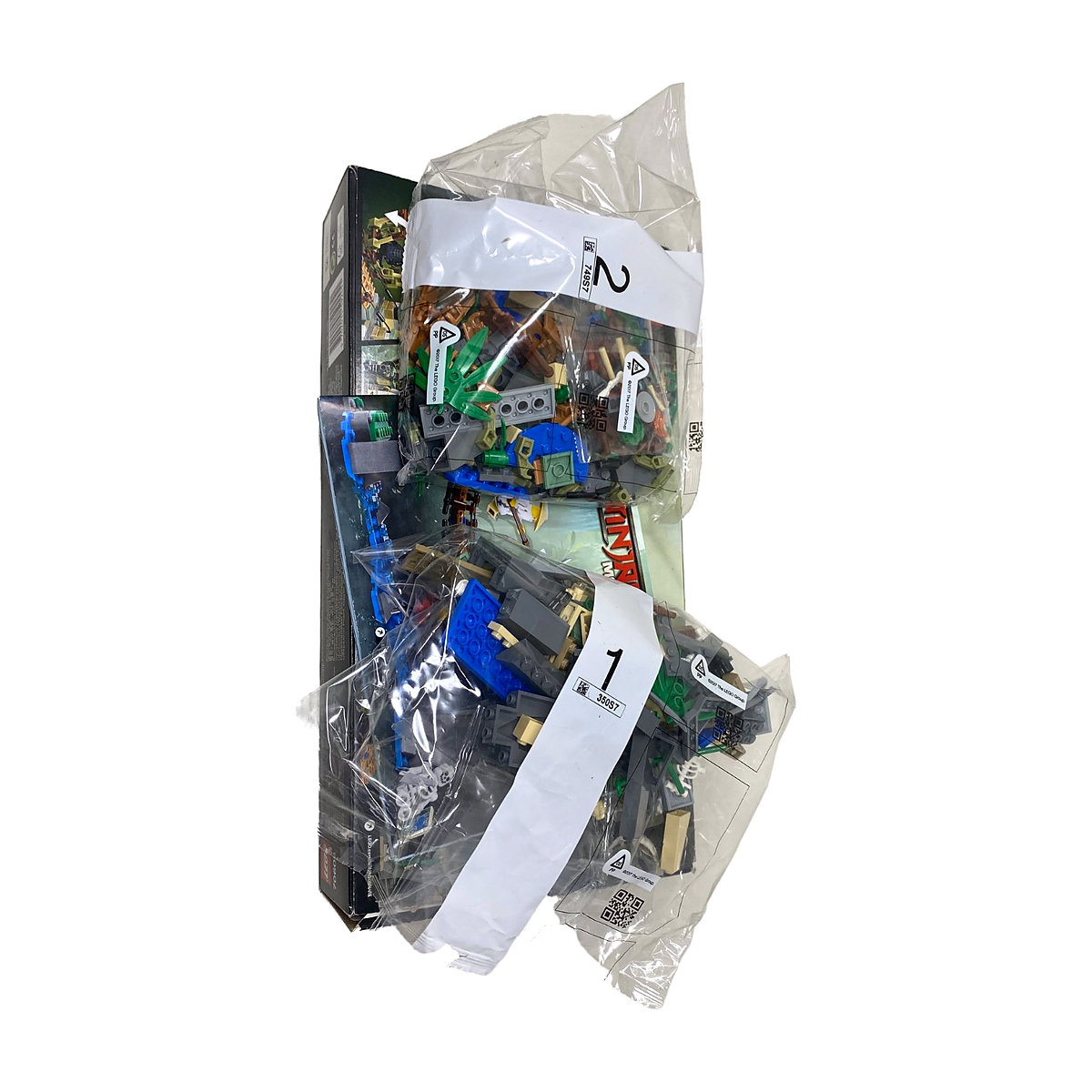
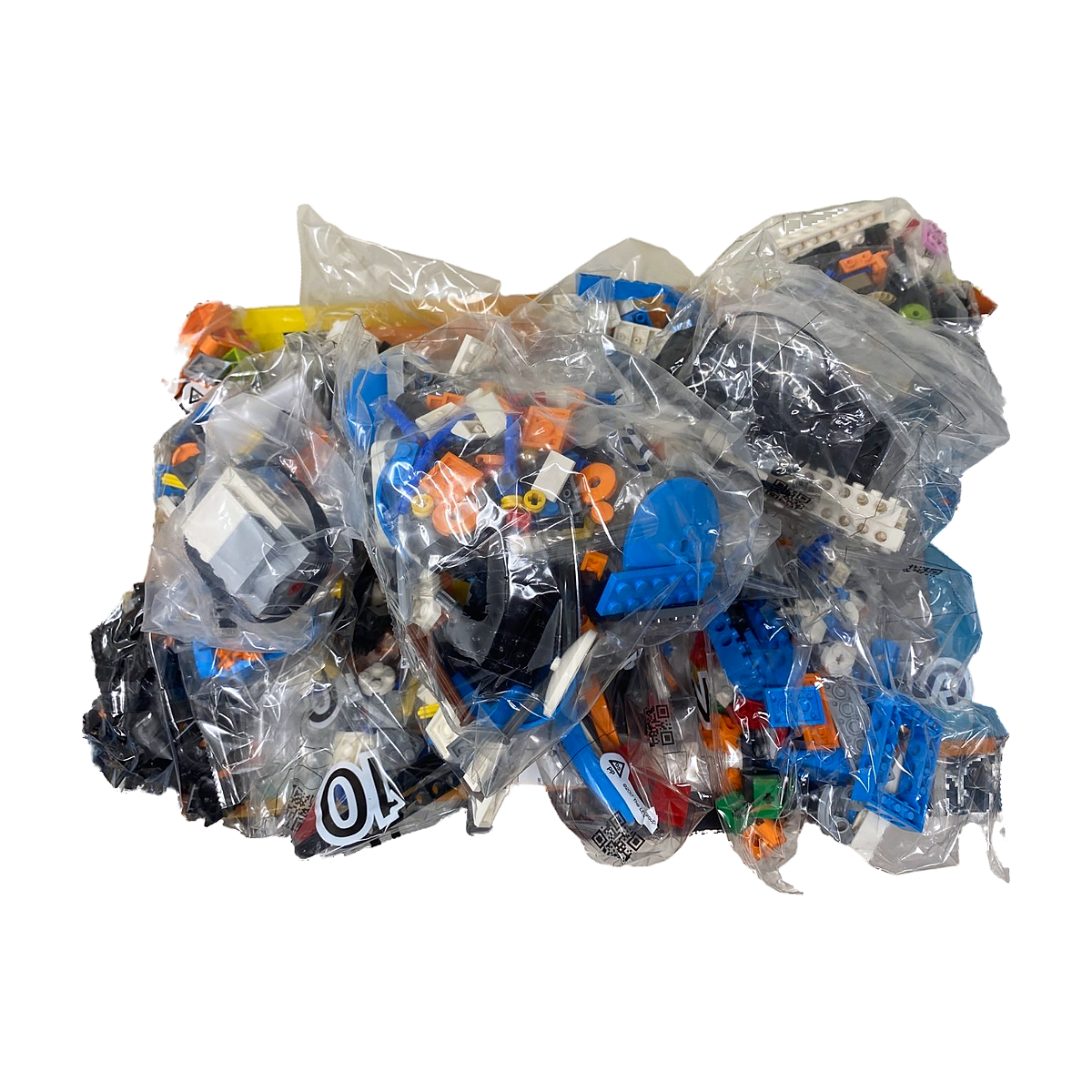
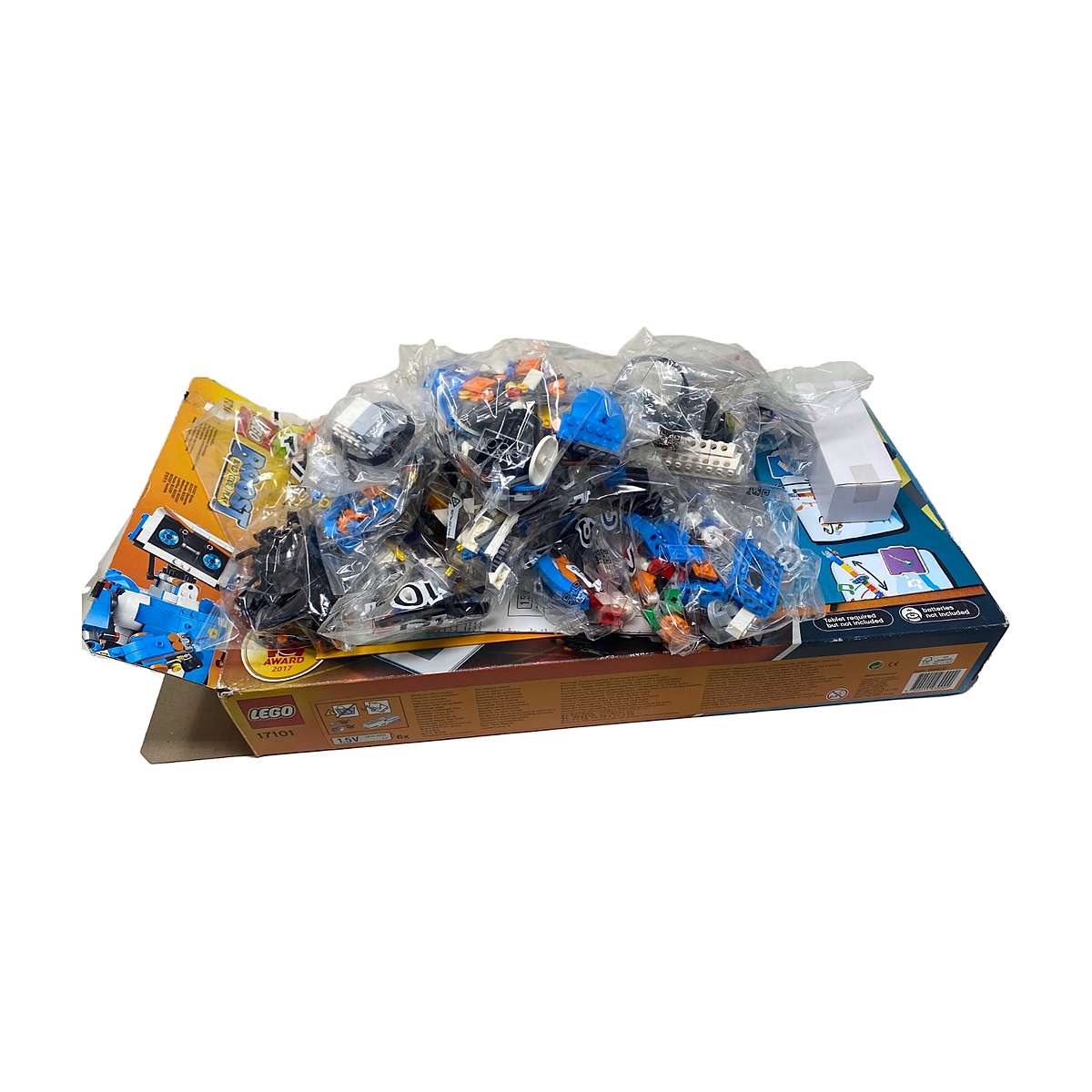
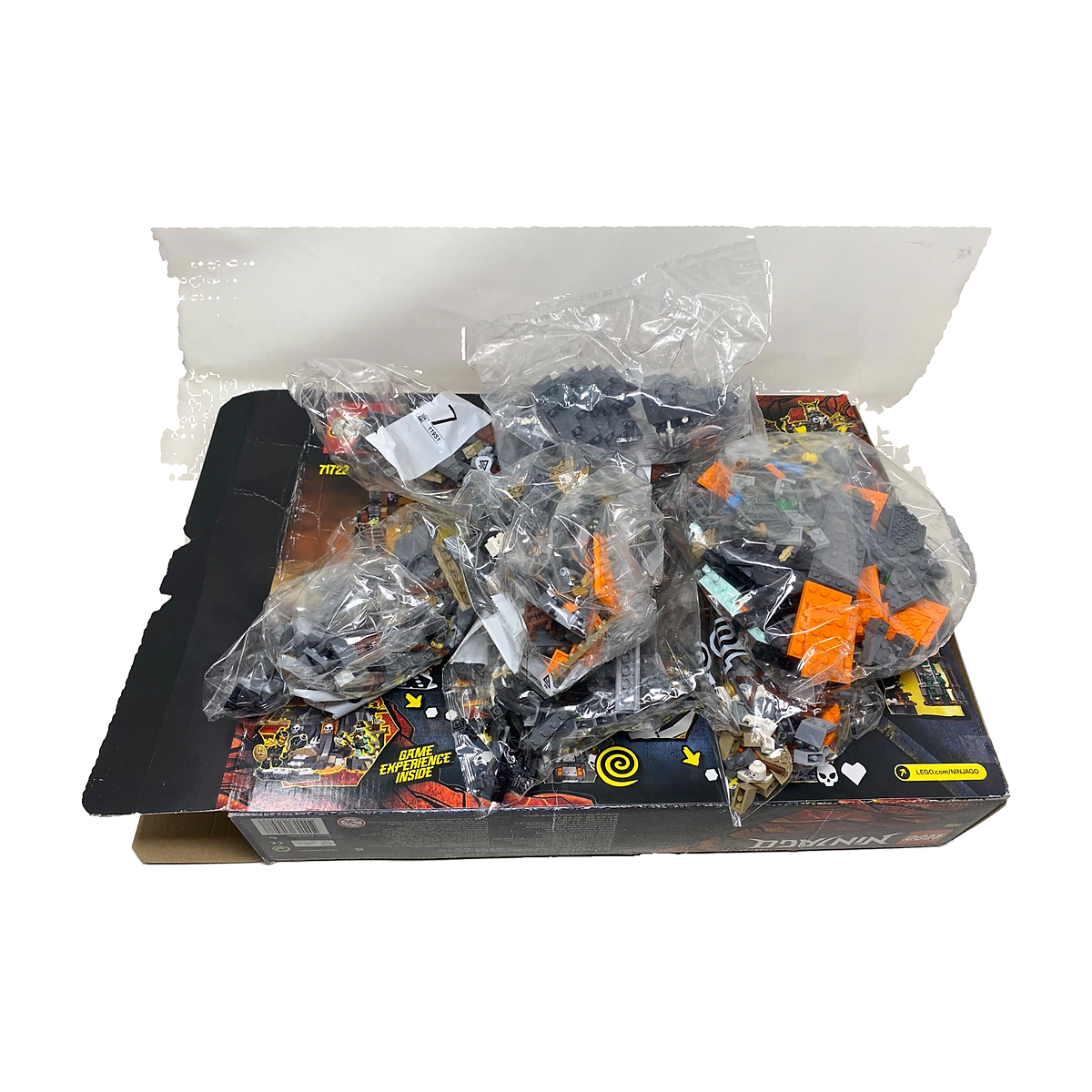
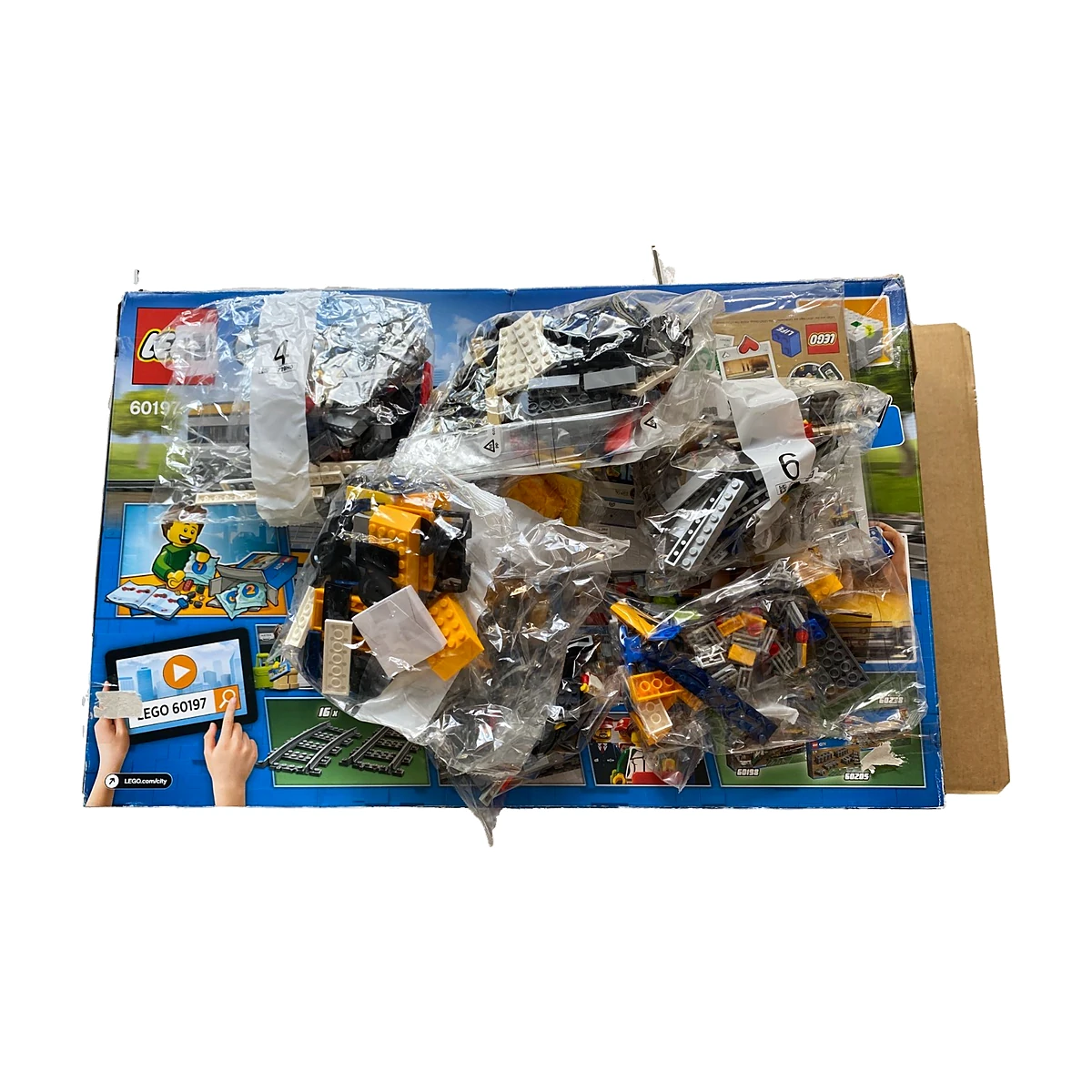
Open a new LEGO box and you won't find loose bricks, but numbered plastic bags, each sealed at the factory. Alongside them are the building instructions and, with many sets, a sticker sheet.
 Enlarge
If the bags are sealed, you know three things:
- The set is complete. Nobody has taken any bricks out, because nobody could get to them.
- The set is unplayed with. No teeth marks on the bricks, no discolouration.
- The figures are included. With many sets the minifigures are the most important part, and with second-hand sets the first thing to go missing. Here they are in their bag.
With second-hand LEGO the counting begins: are all the bricks still there, are the figures right, how have the stickers been applied? Such a set can be perfectly fine, but you have to answer those questions yourself. With a returned box with sealed bags, they don't come up.
One caveat: very rarely a set already has a factory fault, such as a missing brick. LEGO replaces missing parts from new sets free of charge through its customer service.
How does a box get damaged?
What we see coming in almost always falls under one of three causes.
- Transport. Boxes are stacked on pallets, driven back and forth and shifted around depots. One knock against a corner and the box has a dent. The bags inside don't notice a thing.
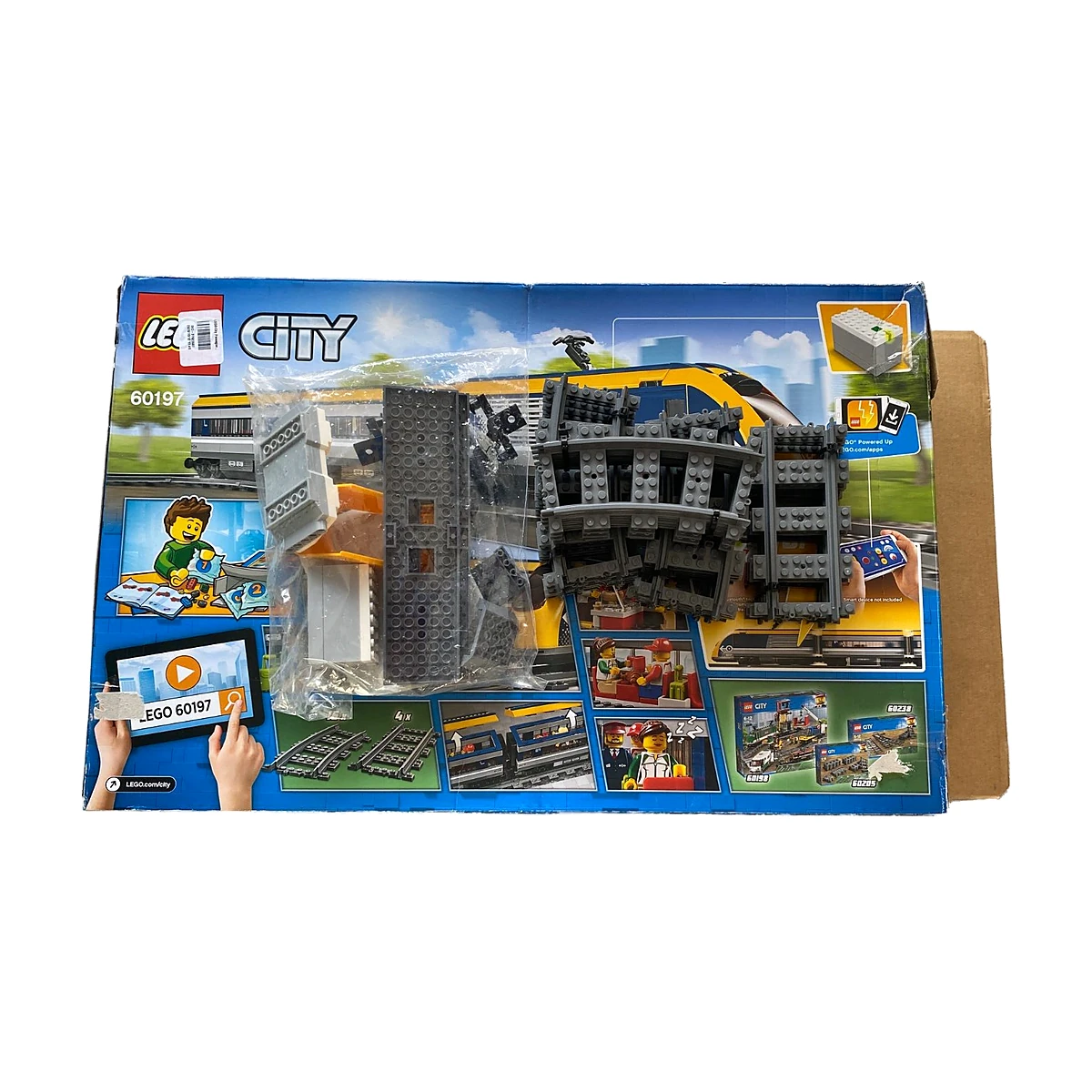
- Returns. Someone orders a set, cuts the box open and sends it back. The box is then opened, the bags are not.
- The warehouse. Boxes fall off a shelf, rub against each other or get a label that is later peeled off again.
Example: a corner that looks bad
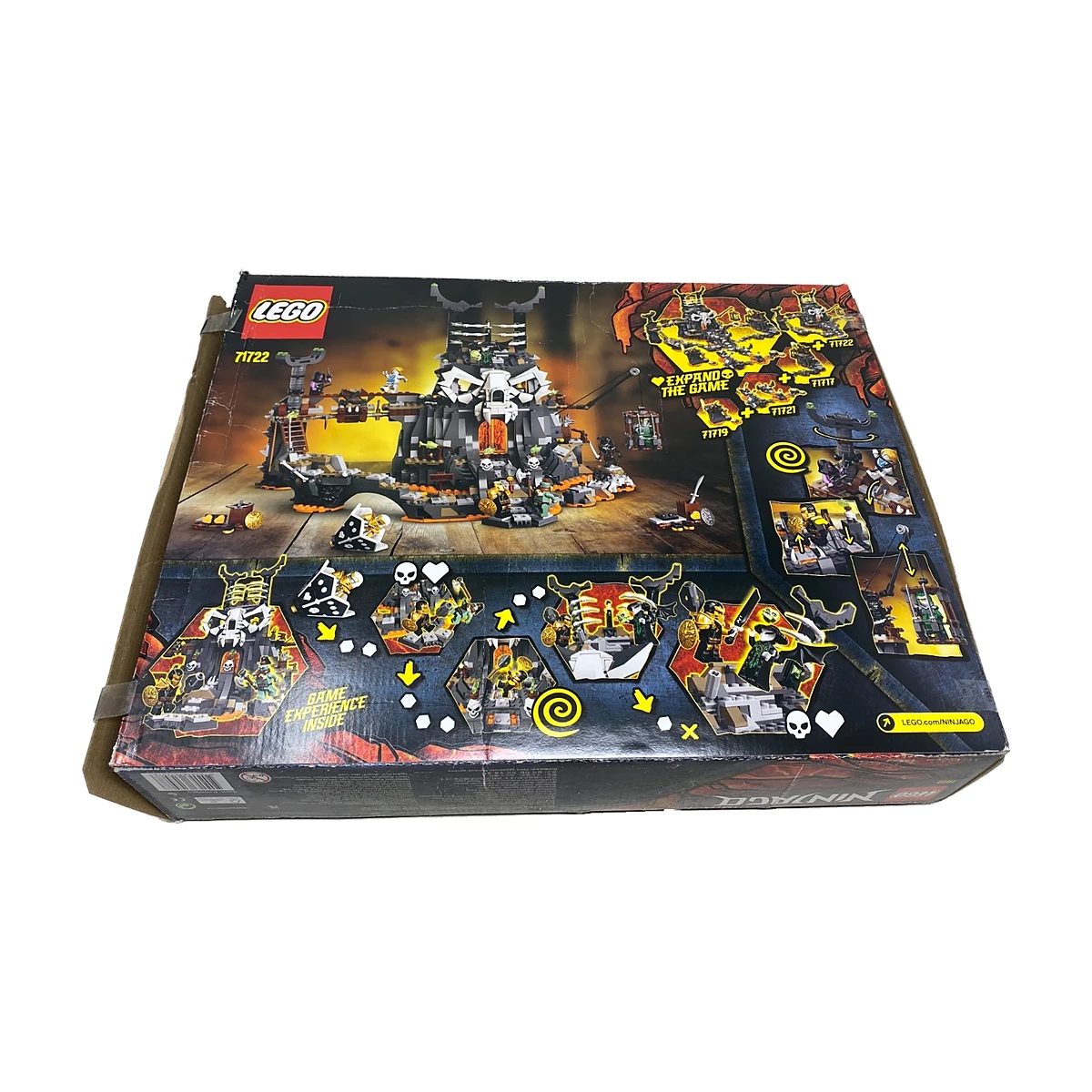
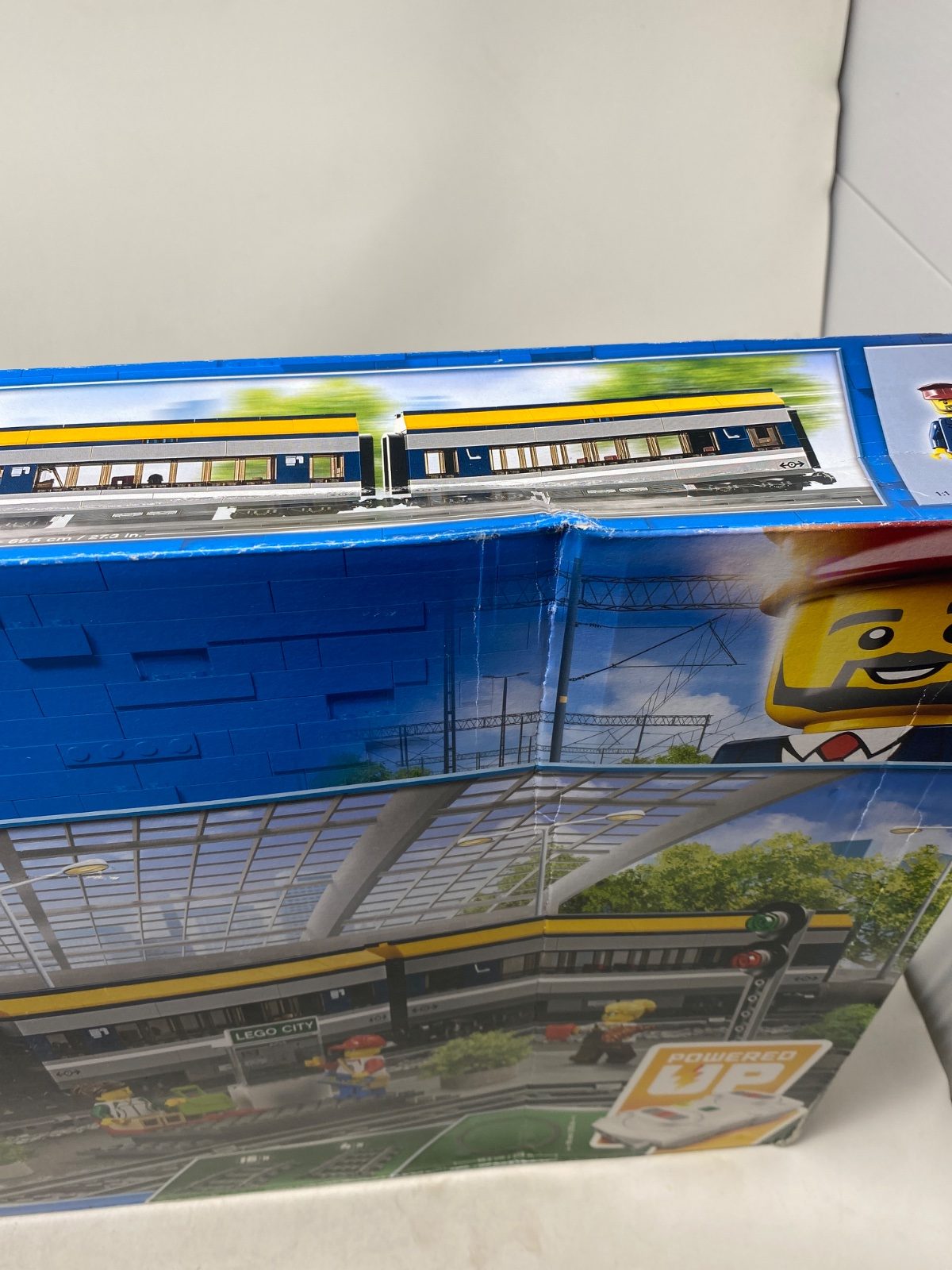
A LEGO box arrives with a heavily dented corner. After opening it, the numbered bags are inside, pristine and sealed.
The condition report then lists two things: the dent, with a photo, and the sealed bags. For anyone who is going to build, it's the same set as in a pristine box. Only the cardboard is different, and that usually goes in the paper recycling after unpacking.
Example: a return with an opened box
A buyer cuts the box open at home and sees that the model is bigger than expected, or that his son already has the set. He sends it back. The box is opened, but not a single bag has been touched.
Can a dented box still be a gift?
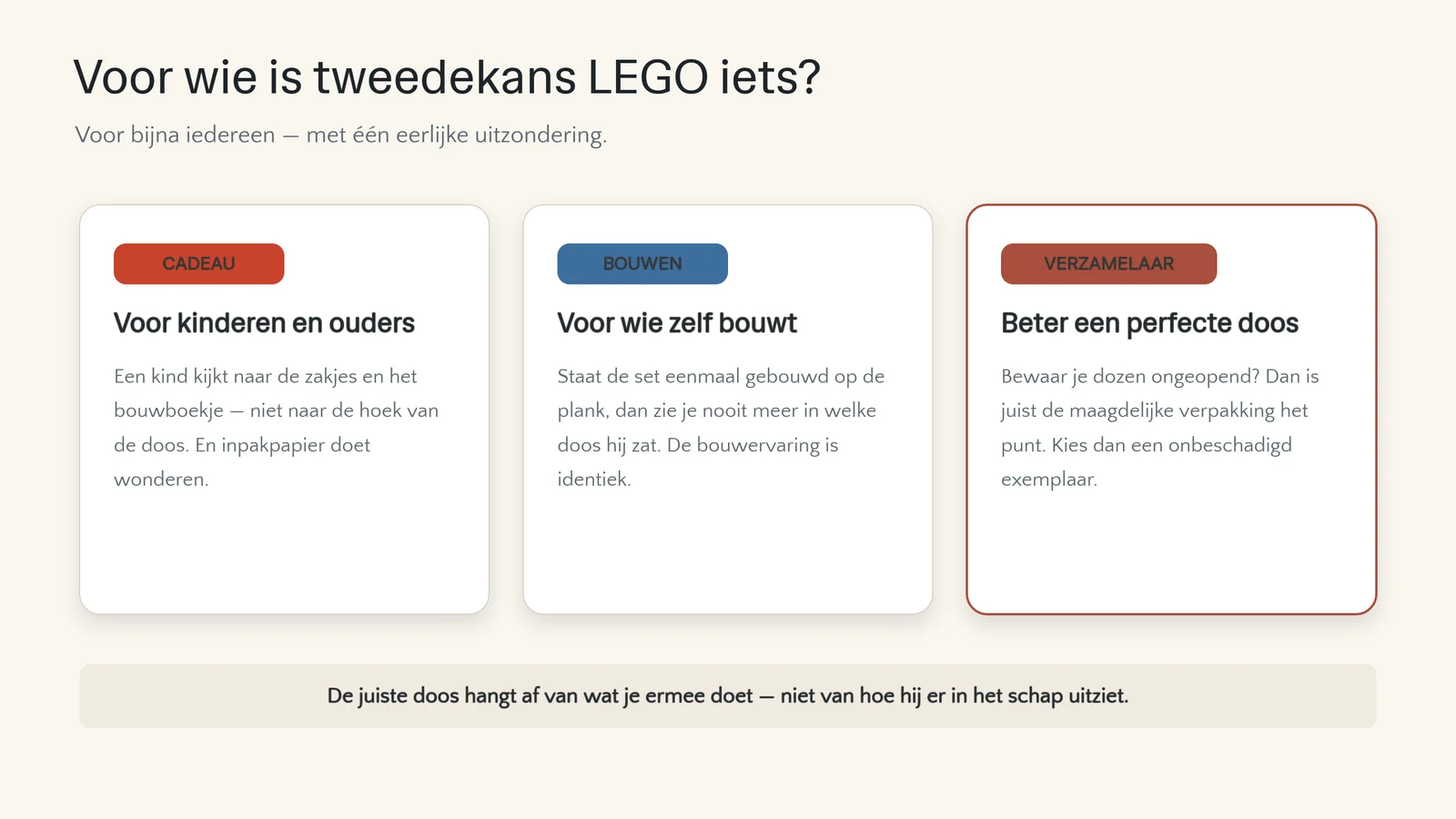
That depends on who is getting the set.
| You're buying for | Returned product? | Why |
|---|---|---|
| A child | Yes | What counts is what comes out of it: the bags, the booklet, the bricks |
| Yourself, to build | Yes | Once it's built on the shelf, you can no longer tell which box it came in |
| A collector who keeps boxes | Better choose a pristine box | For a collector, the box is part of the set |
 Enlarge
If you find the box too damaged to put under the Christmas tree, wrap it up. Some parents take out the bags and the booklet and wrap those in a neutral box. Then the box no longer plays a part.
If you're building it yourself, the question is even simpler. The building experience is the same as with a new set: the same steps, the same bricks, the same result.
We'd rather name the exception ourselves: for a collector, the box does matter. Collectors keep boxes. For someone like that, you're better off looking for a copy in a pristine box.
What should you look out for when buying a returned LEGO set?
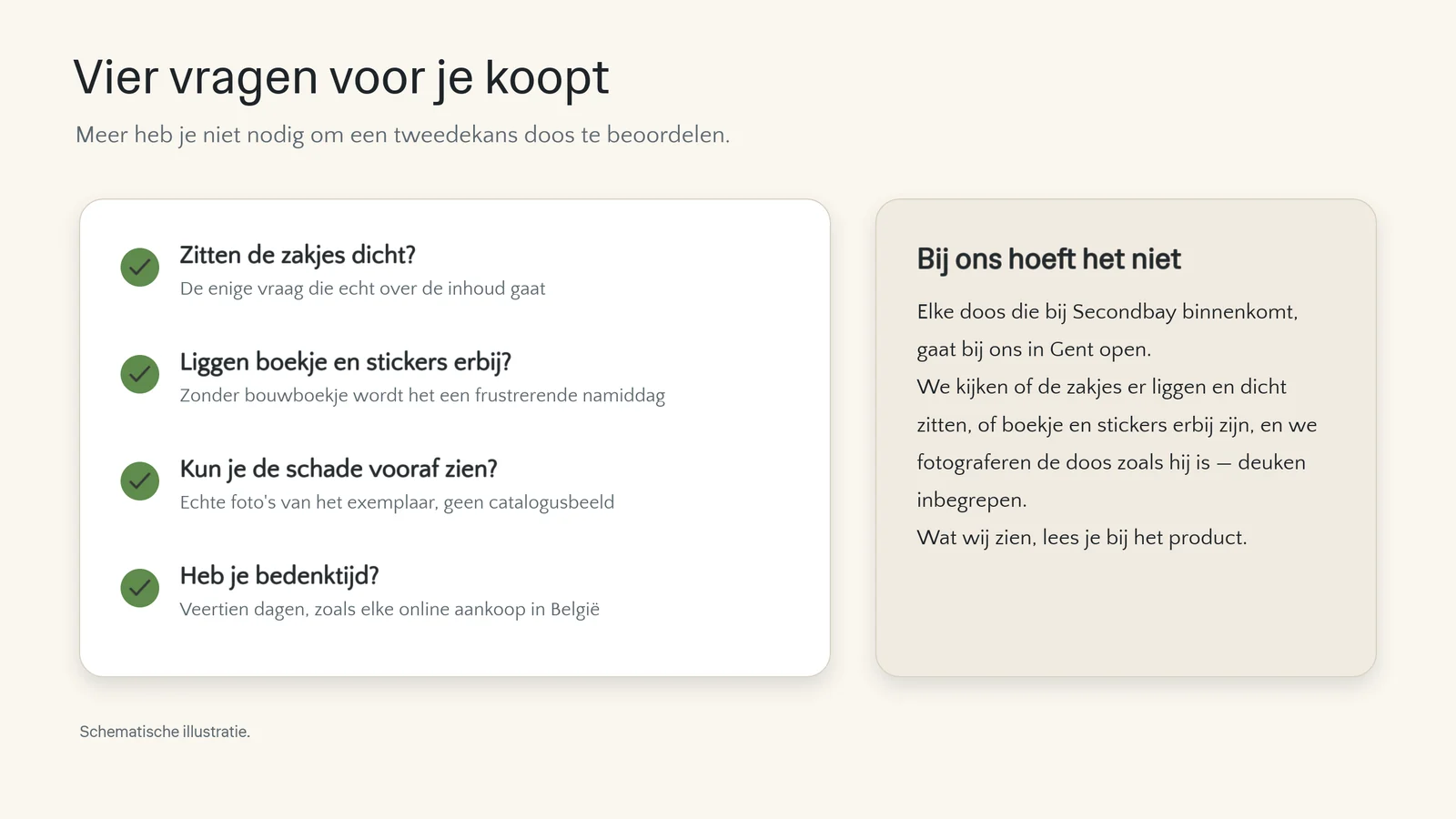
With us, the answers are in the condition report of every copy. Wherever you buy, these four questions matter.
 Enlarge
- Are the bags sealed? This is the only question that really concerns the contents. If the outer box has been opened but all the bags are sealed, you're effectively buying a new set.
- Are the building booklet and the stickers included? Without the booklet, building gets tricky. With returned and transport boxes they're almost always still in there, but ask or check.
- Can you see the damage in advance? “Box damaged” can mean anything from a small dent to a box that's half hanging open. Real photos of the copy you'll receive say more than a catalogue photo.
- Do you have time to change your mind? If you buy from a web shop, you have 14 days to change your mind, including on returned products. If the box isn't what you expected on arrival, you send it back.
And what if a bag is open after all?
It rarely happens, but it does: sometimes a box comes in with an open bag. The condition report then states which bag is open, and you can see it in the photos.
Different rules apply to that bag: an open bag means counting for yourself. At the back of every building booklet there's an overview of all the parts with their quantities, and on sites like BrickLink you'll find the parts list for virtually every set. It's perfectly doable, but it is work.
How we do it in Ghent
We leave a box that's still sealed closed: the set is then unopened and the photos show the damage to the box. A box that has already been opened, we open in Ghent and we check the bags. In the condition report we describe the state of the bags and the damage to the box, with real photos of that copy, including the less pretty sides.
If it says, for example, “box open, bag 1 open, other bags sealed”, then that's the copy that arrives at your door.
Before you buy: three questions
- Look at the bags first: sealed, or does the report mention an open bag?
- Then look at the box: how big is the damage in the photos?
- Only then think about who's getting the set: a child or someone who builds, or a collector who keeps the box?
A returned LEGO set is a set that's in order, in packaging that has been through something. Anyone who looks past that packaging gets the same bricks, the same minifigures and the same building steps as with a new box.
A dent says something about the cardboard. About the set, the bags say more.
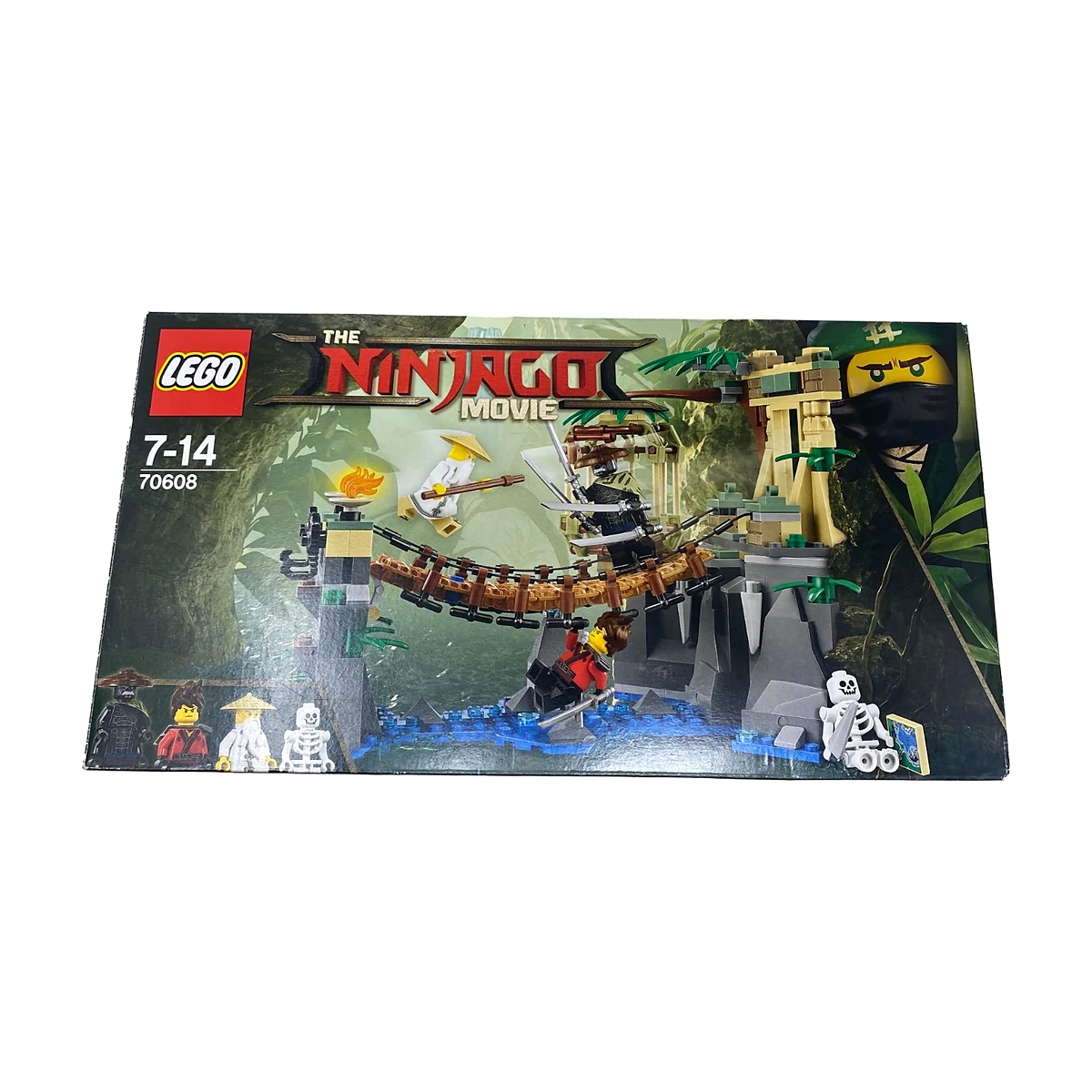
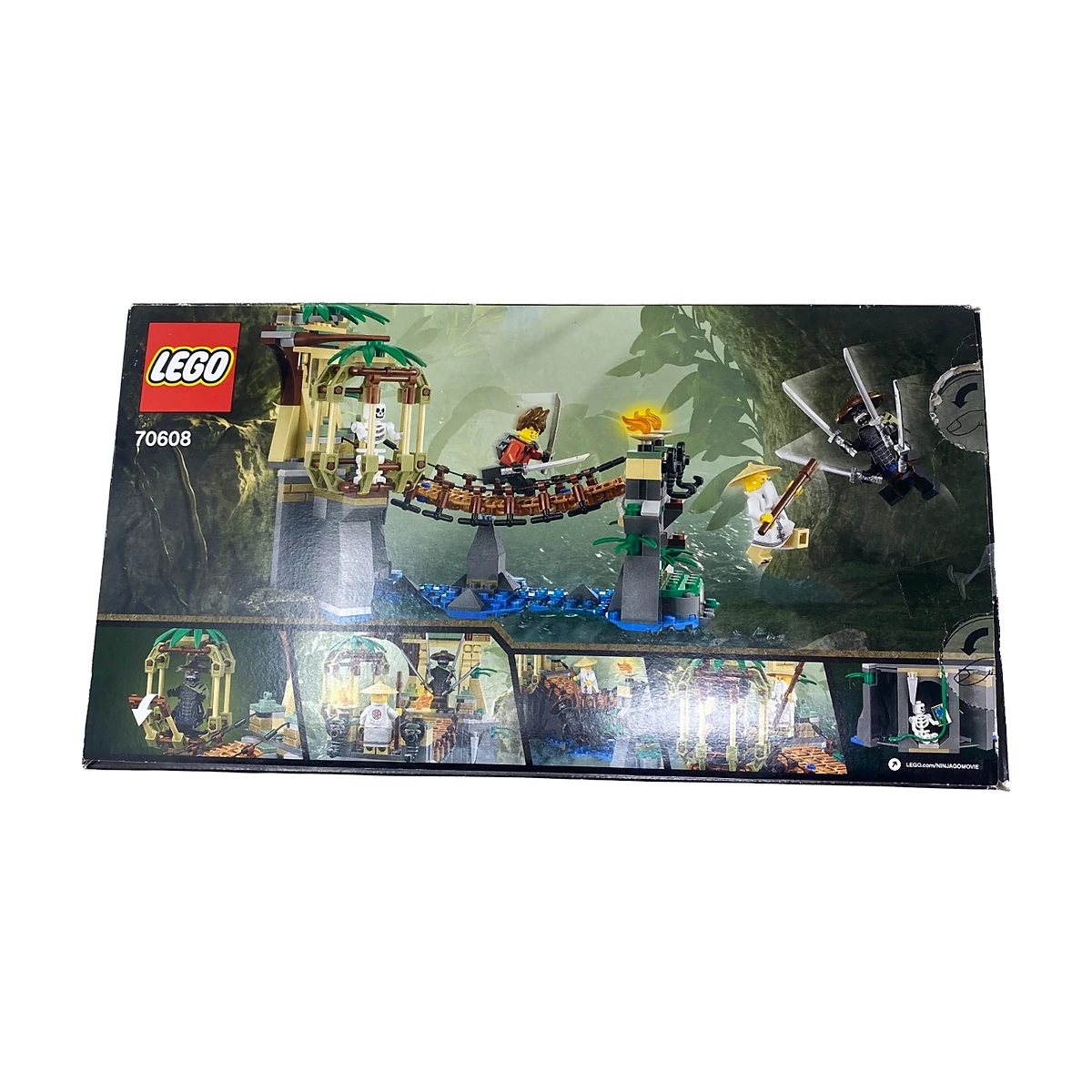
In stock now
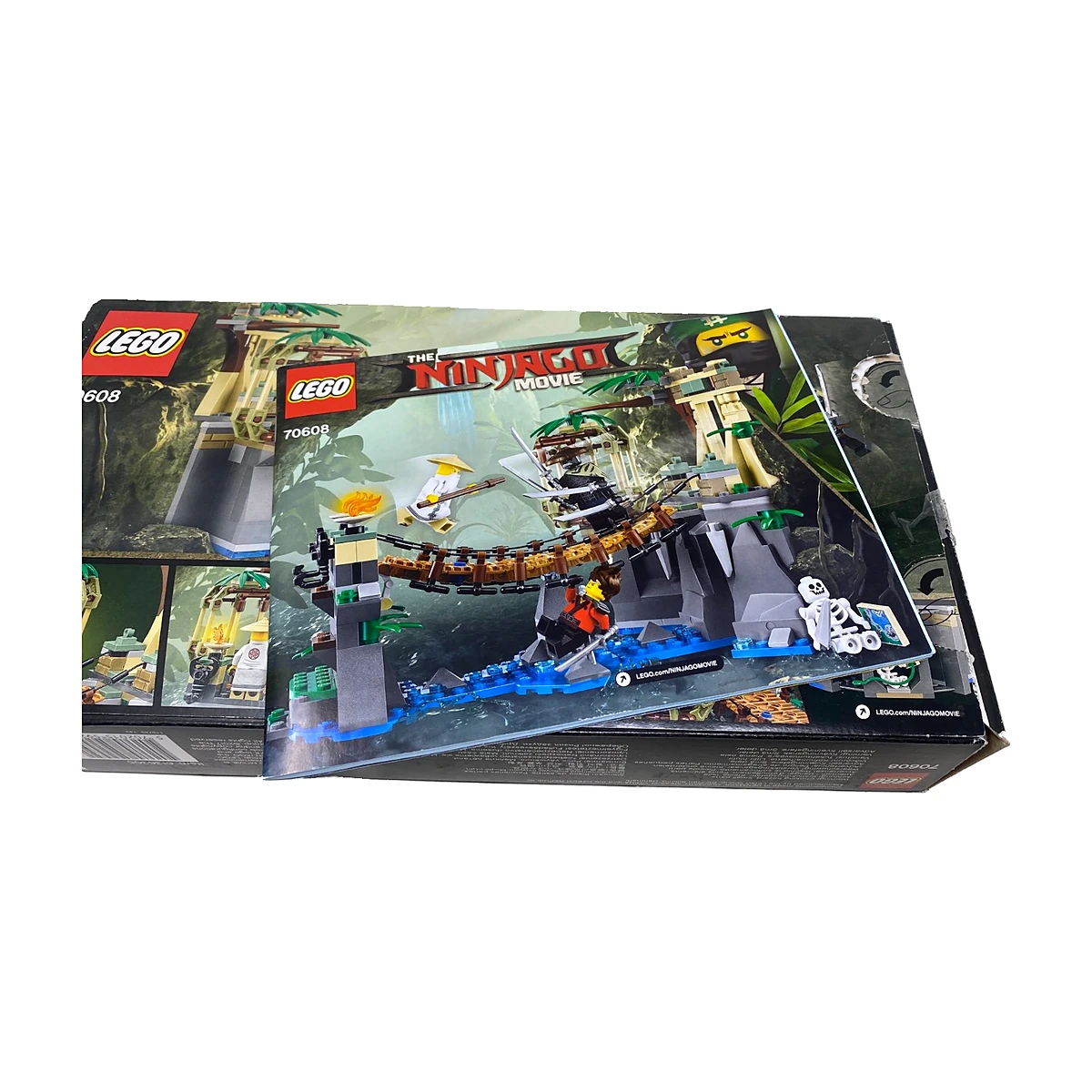
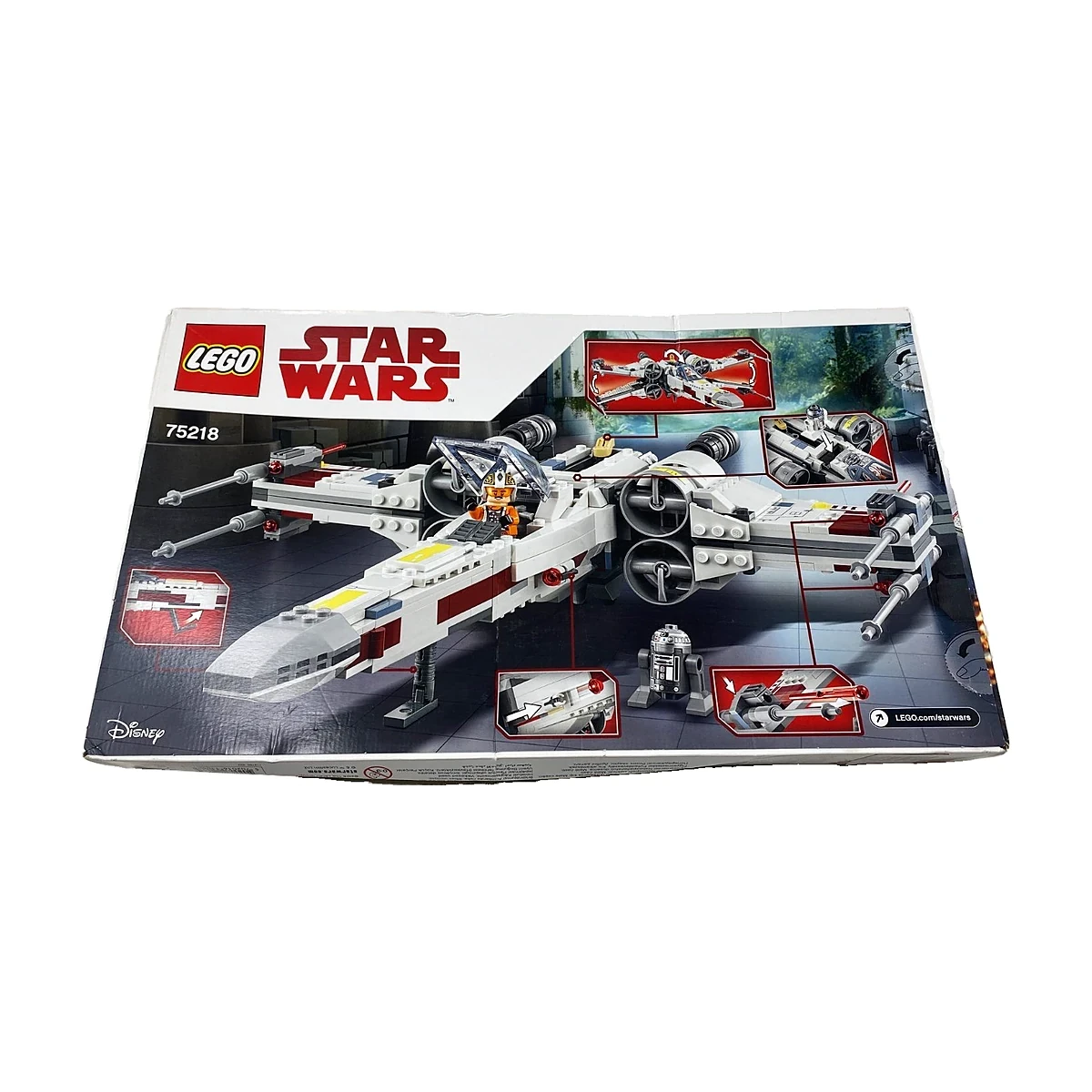
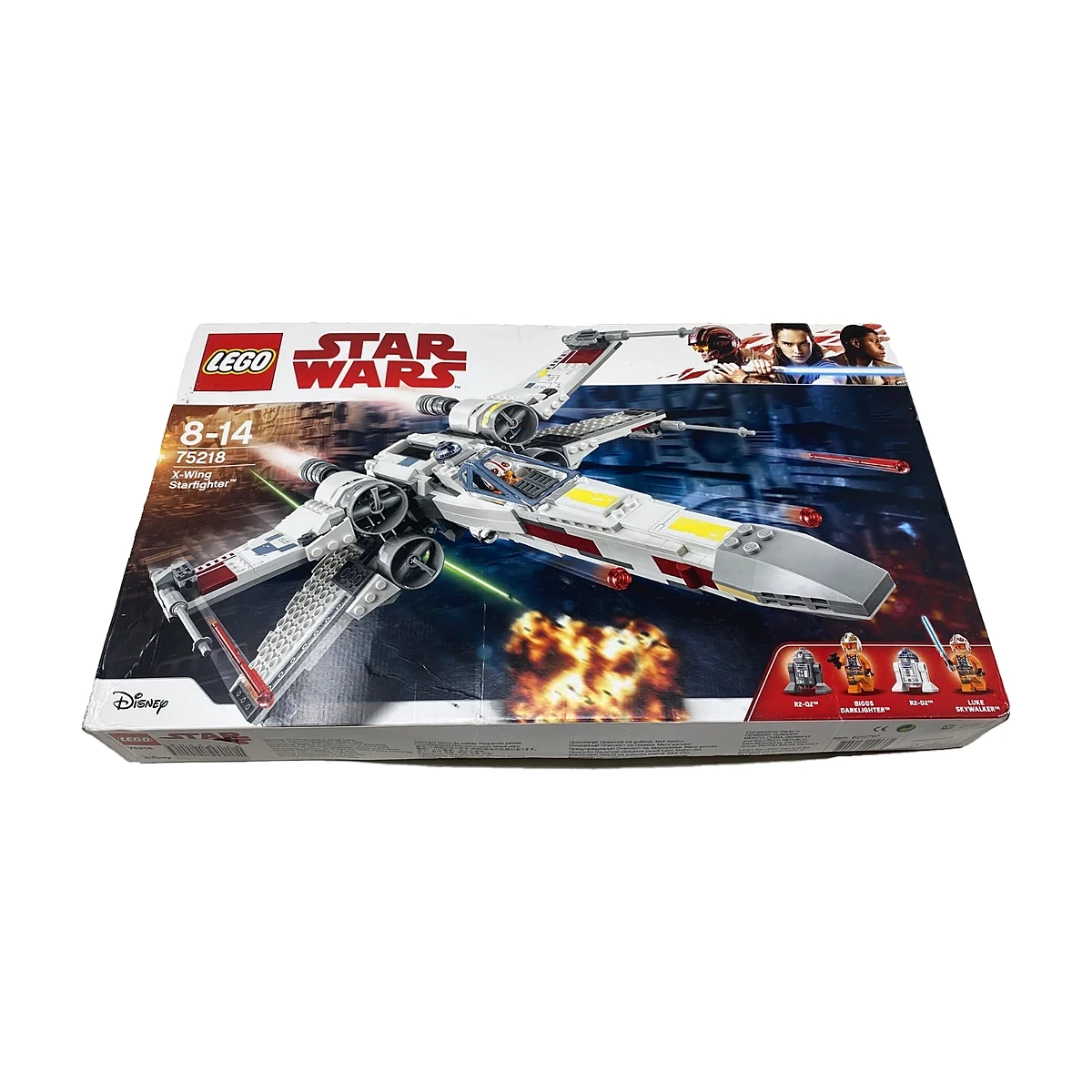
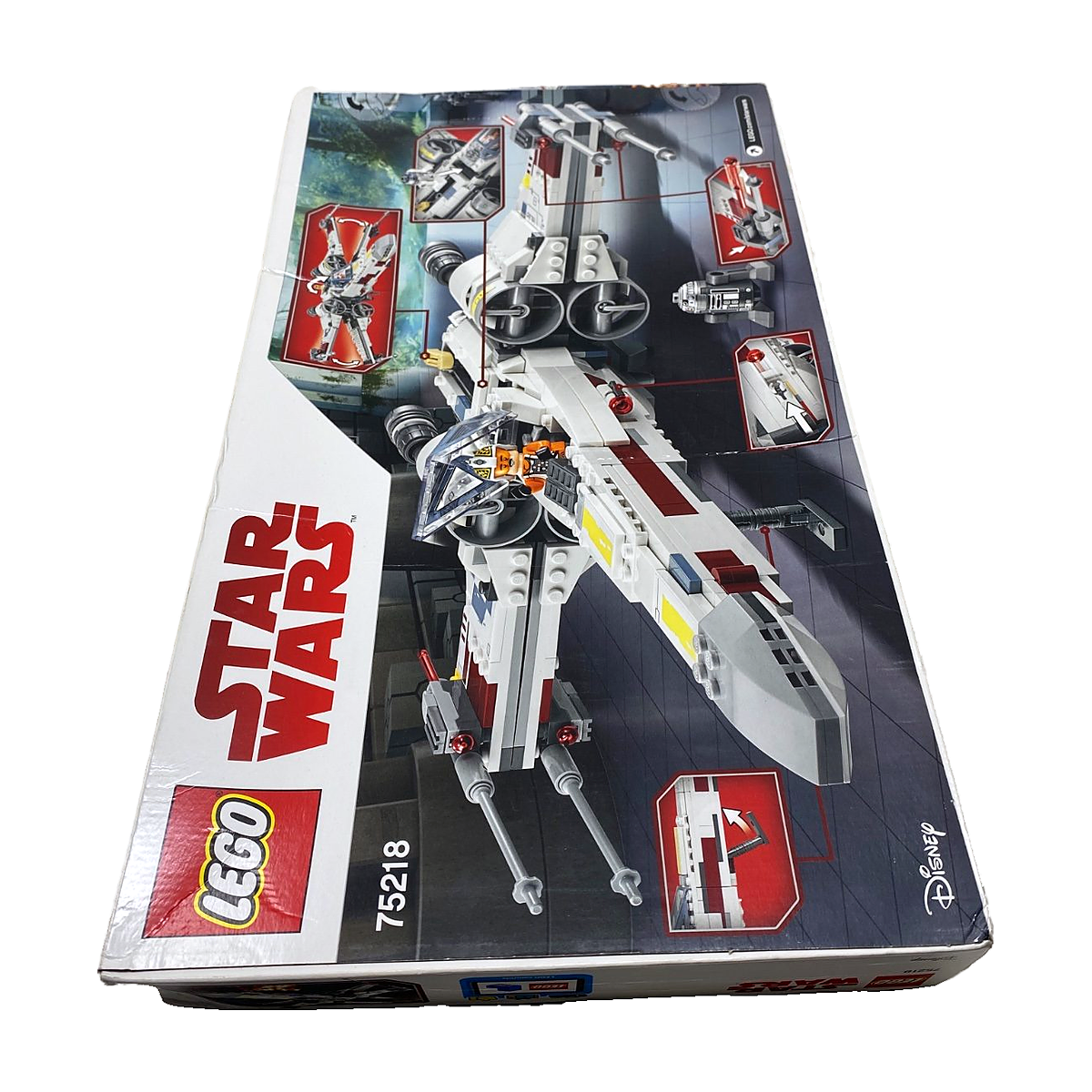
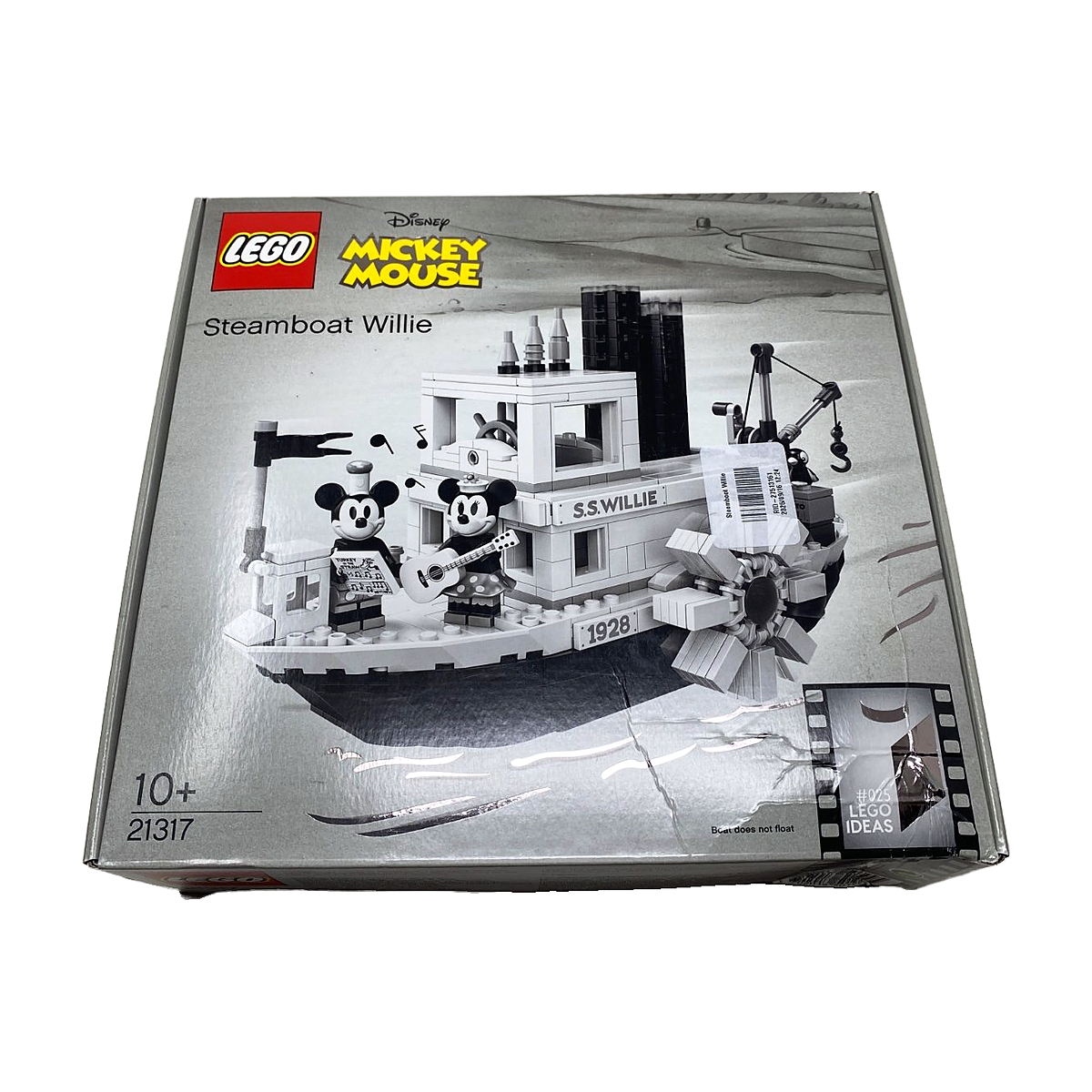
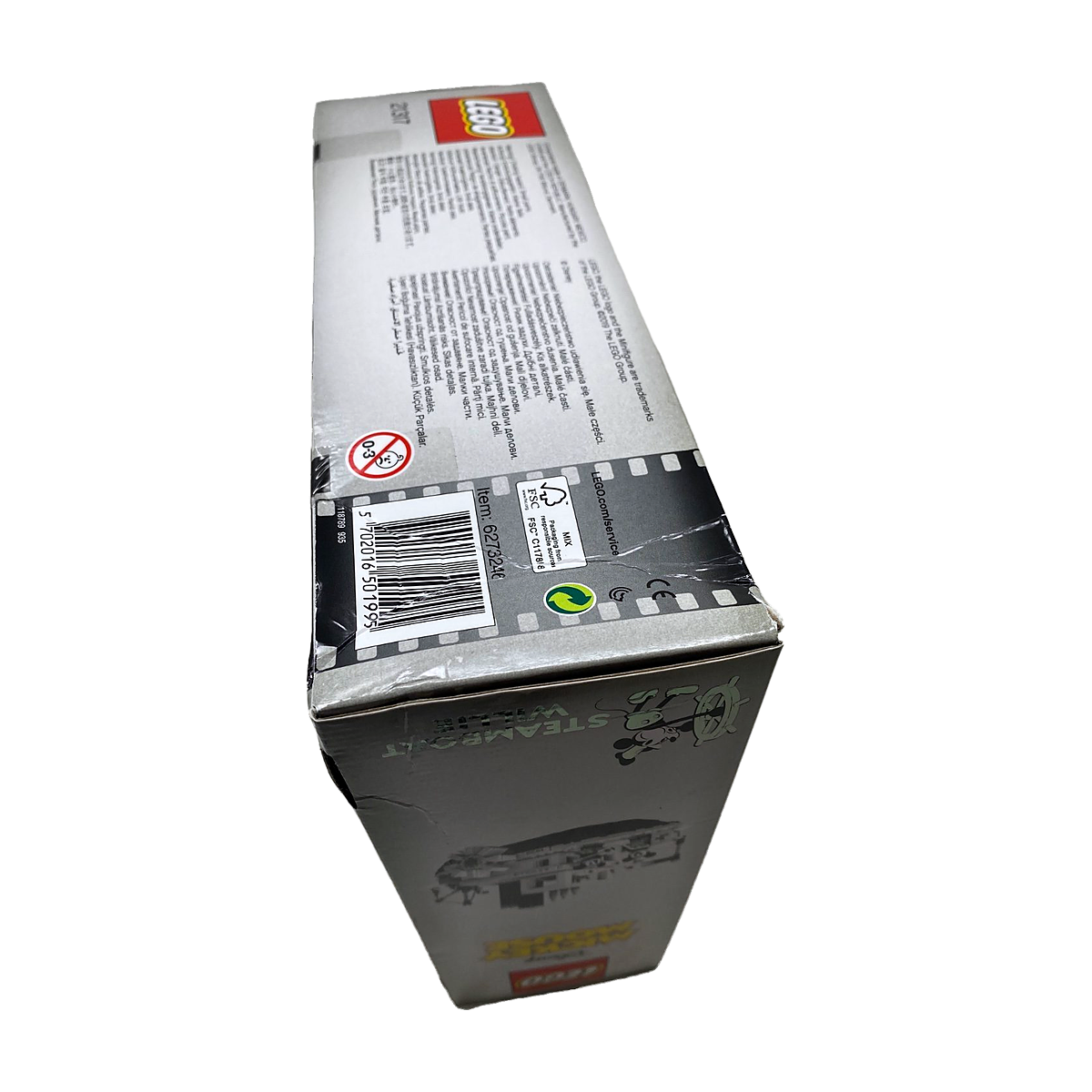
Frequently asked questions
Is everything included if the box is damaged?
Yes, as long as the bags inside are still sealed. They are closed at the factory; as long as nobody has opened them, the contents are as LEGO assembled them. For every box we sell, the condition report states whether the bags are sealed.
What if something is missing after all?
Very rarely, a set has a factory fault, such as a missing brick. LEGO replaces missing parts from new sets free of charge through its customer service. With us, you also get 14 days to change your mind.
Can I give a returned-product box as a gift?
To a child or to someone who is going to build it: yes. If the box is badly damaged, wrapping paper helps. For a collector who keeps boxes, you are better off choosing an undamaged copy.
Why is a returned product cheaper?
Because the packaging is no longer pristine. If the bags are sealed and the booklet and stickers are included, there is no further difference from a new box.
Is a returned-product LEGO set the same as second-hand?
No. With second-hand, someone has already unpacked the set and built with it. With a returned product, only the box has been through something. The difference is in the box and the bags, not in the bricks.
What if a bag is open?
Then the condition report states which bag is open, and you can see it in the photos. You count the contents of that bag yourself, using the overview at the back of the building booklet or the parts list on BrickLink.
How this guide was written
This guide comes out of our own work: we look at every returned LEGO box that arrives at Secondbay, here in Ghent. A sealed box stays closed; an opened box we open. We describe and photograph what we see. The examples are recognisable situations from that work, not customer testimonials. The images are schematic illustrations we drew for this guide, not product photos. For missing parts, we refer you to LEGO's official customer service.
Secondbay sells returned and second-hand LEGO. How a specific box looks and which bags are sealed is set out in the condition report with the product, with real photos of the item you will receive.
Written on 26 November 2026 · Checked on 26 November 2026
Sources
More guides
 Compare · Paint & colourRAL D2, K5 or K7: how to choose the right colour fanFirst look at the code in your project. A four-digit RAL CLASSIC code (such as RAL 7016)? Choose the K5 for large colour areas or the K7 for compact lookups. A seven-digit DESIGN SYSTEM plus code? Then you need the D2. More colours do not make the D2 better, only different.RAL D2 · RAL K5 semi-matt · RAL K5 gloss · RAL K7
 Buying returned · ToolsReading Bosch model numbers: what GSR, GSB and GBH tell youA Bosch Professional name such as GSB 18V-110 C breaks down into four parts: the letters say what kind of machine it is (GSB is a combi drill), 18V the battery platform, the number an indicator of power and the letters at the end the extras (EC is a brushless motor). Only compare the number between machines with the same letters.
 Choose · ToolsWhich Bosch battery fits where? Blue, green, 12V and 18VStart with the colour. Blue Bosch Professional batteries only fit blue tools, green Power for All batteries only fit green ones, even though both say 18V. Within the blue range, all 18V batteries have been compatible with each other since 2008, and 10.8V is the same platform as 12V.Bosch Professional 12V starter set · Bosch Professional 18V starter set · Bosch 18V starter set (green) · Bosch GBA 36V 2,0 Ah