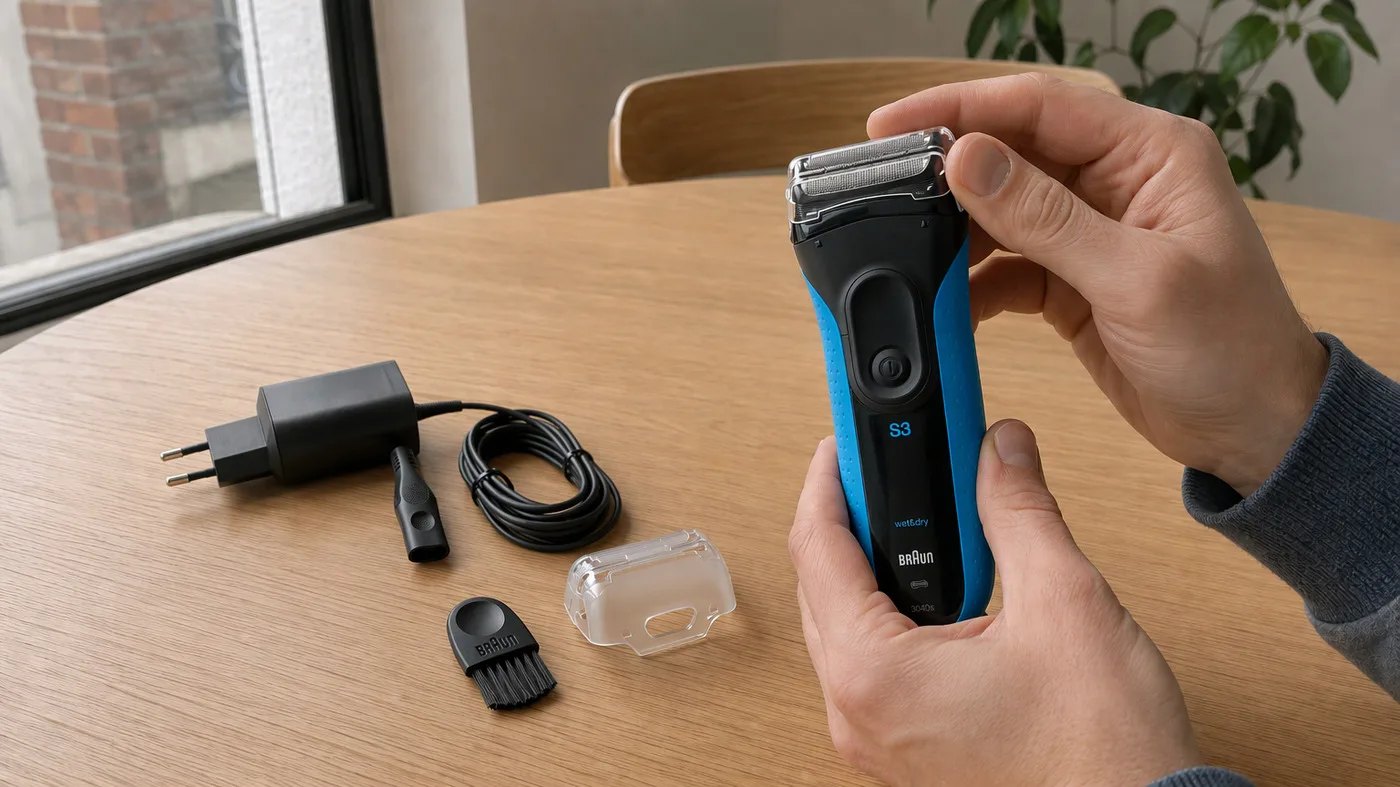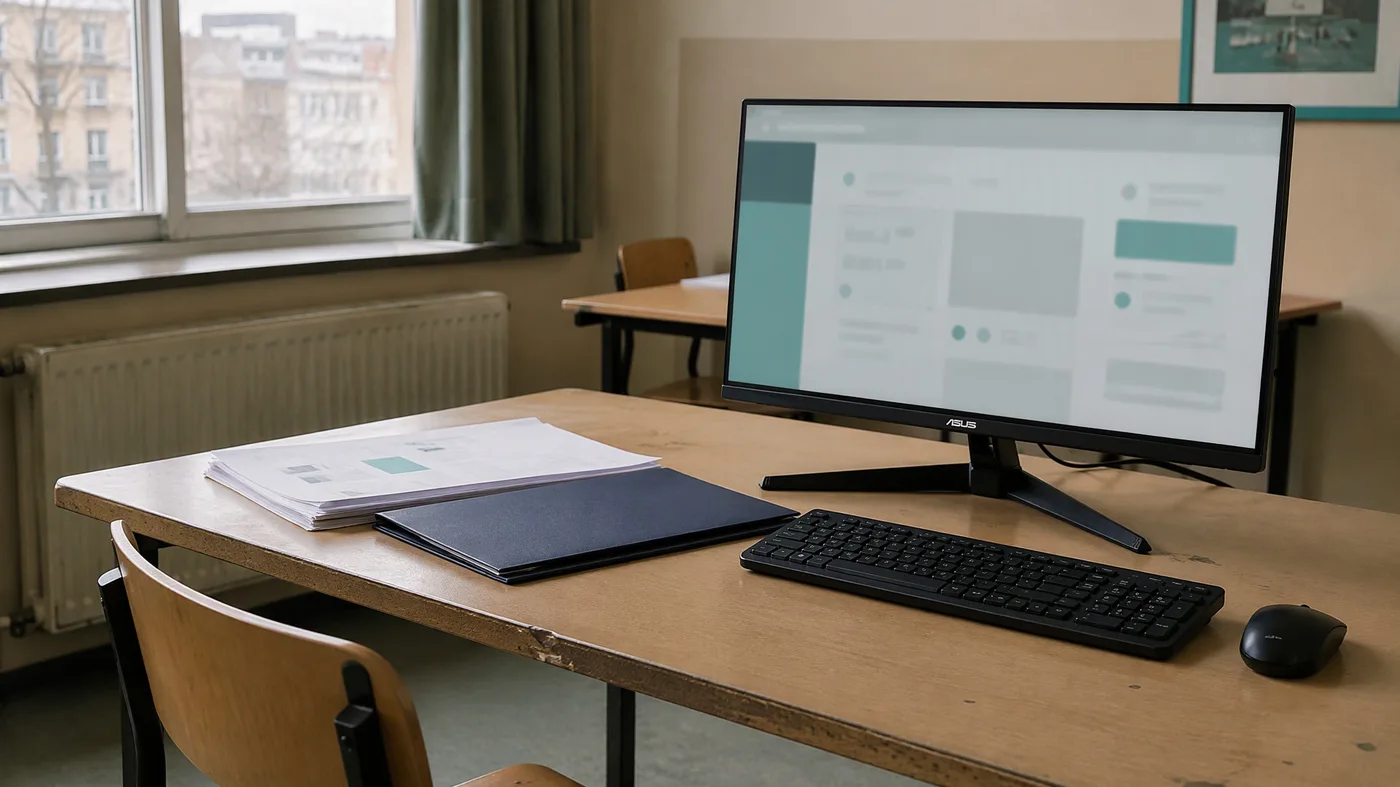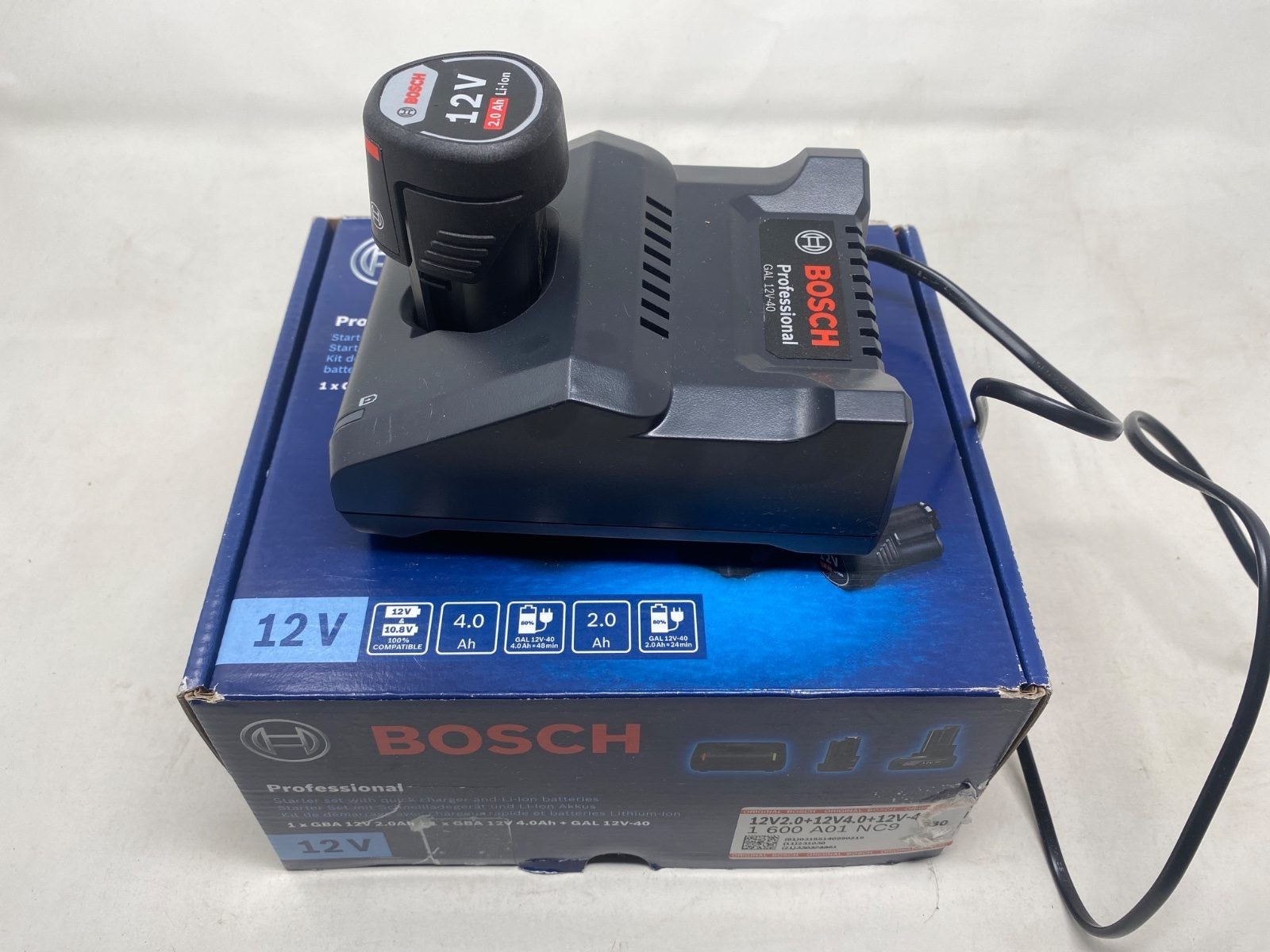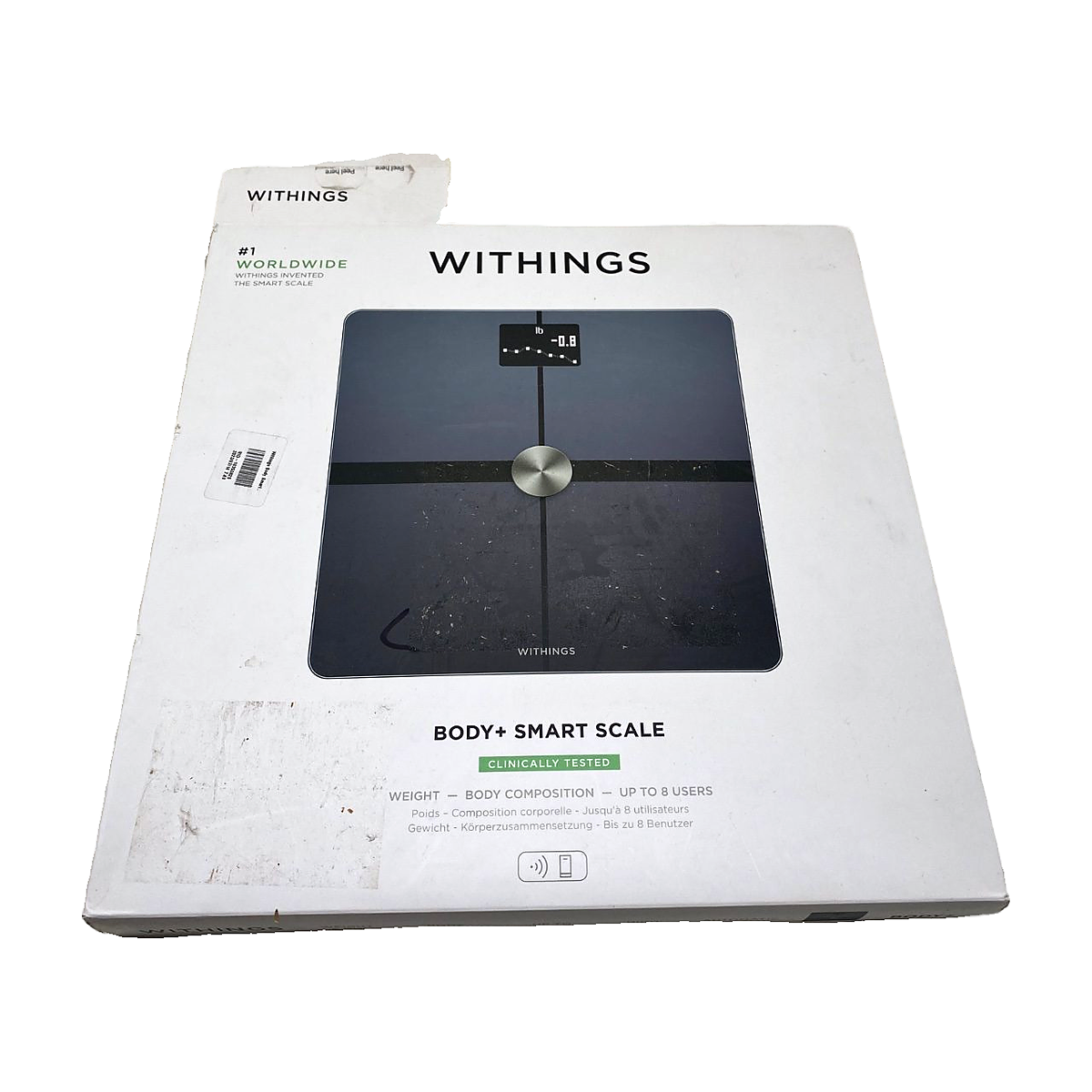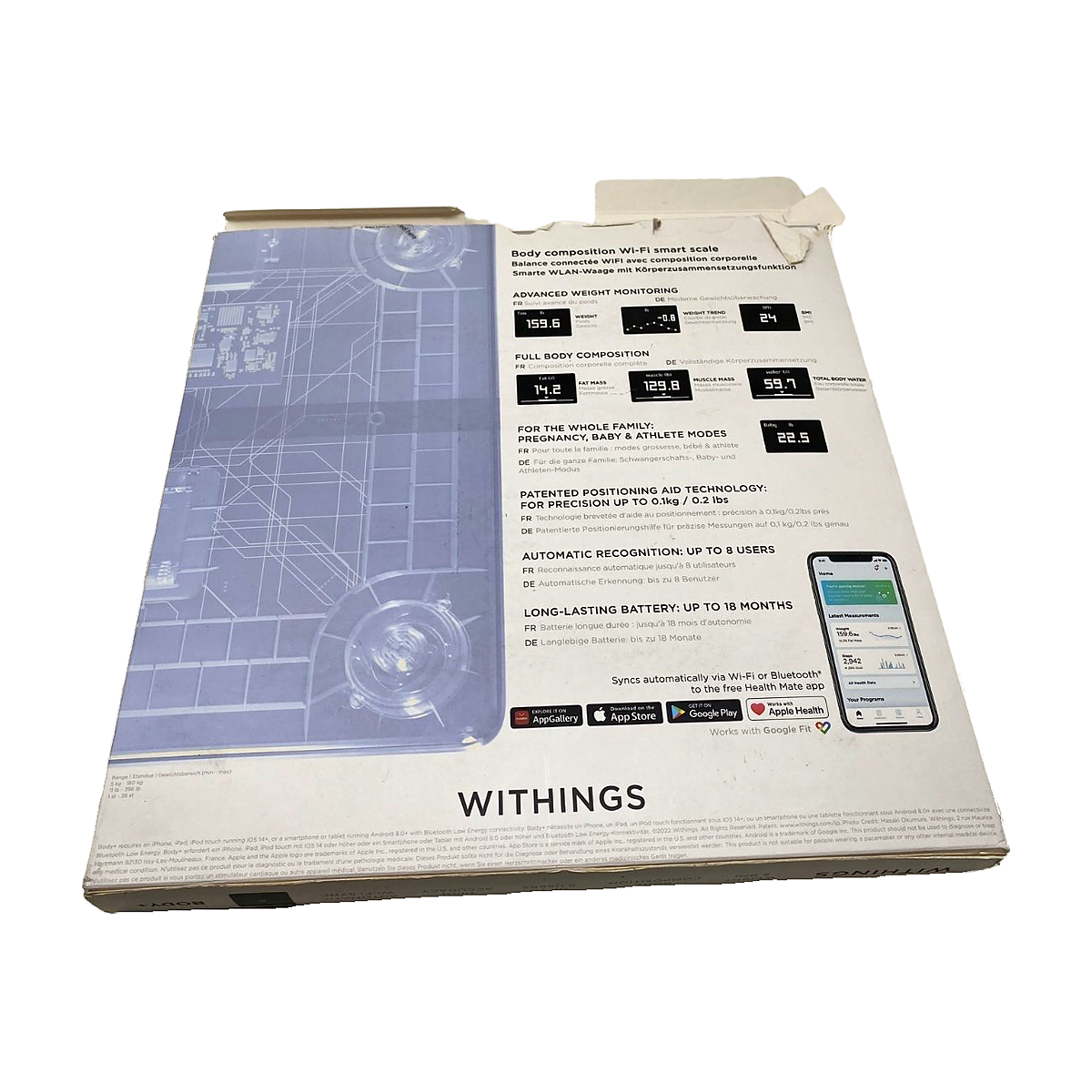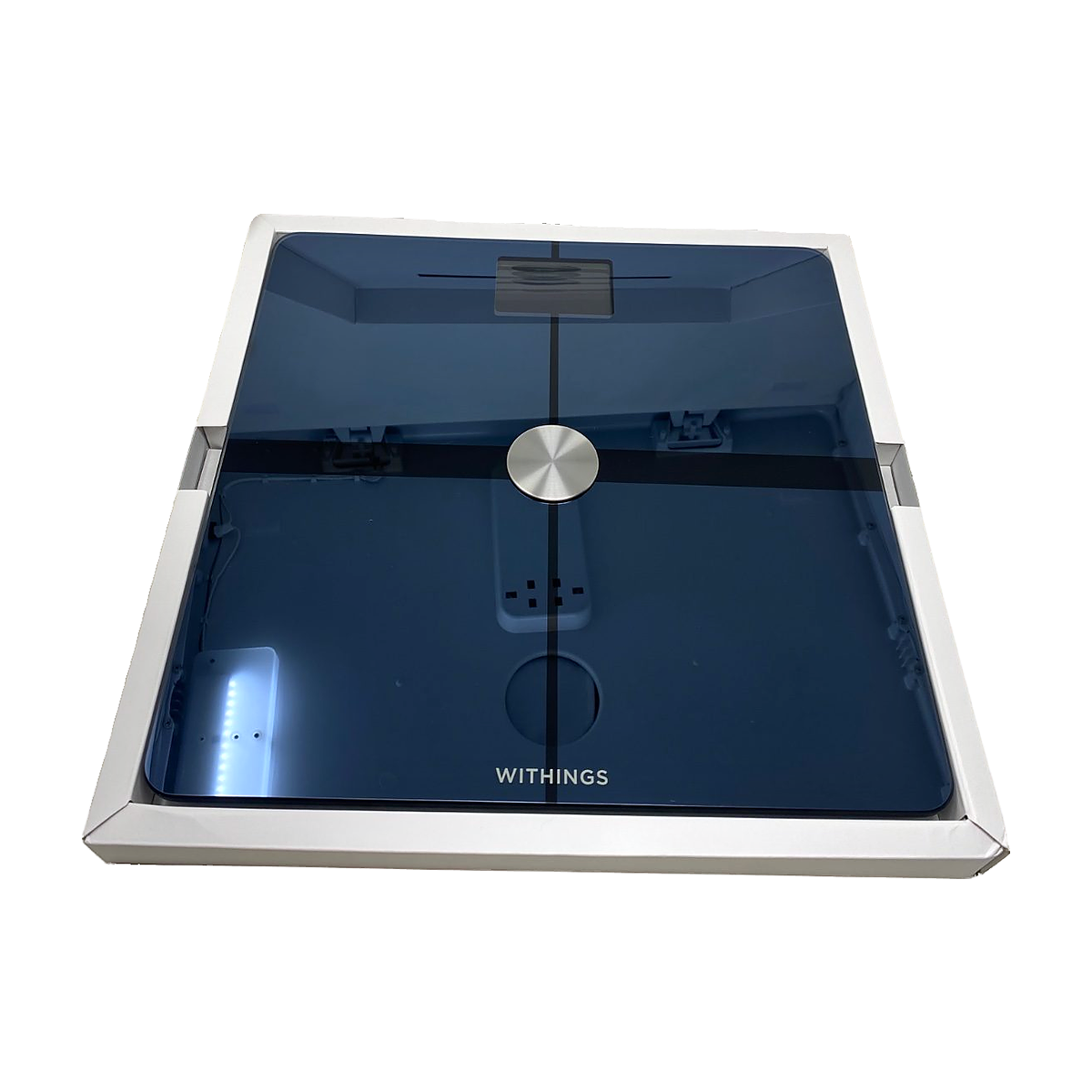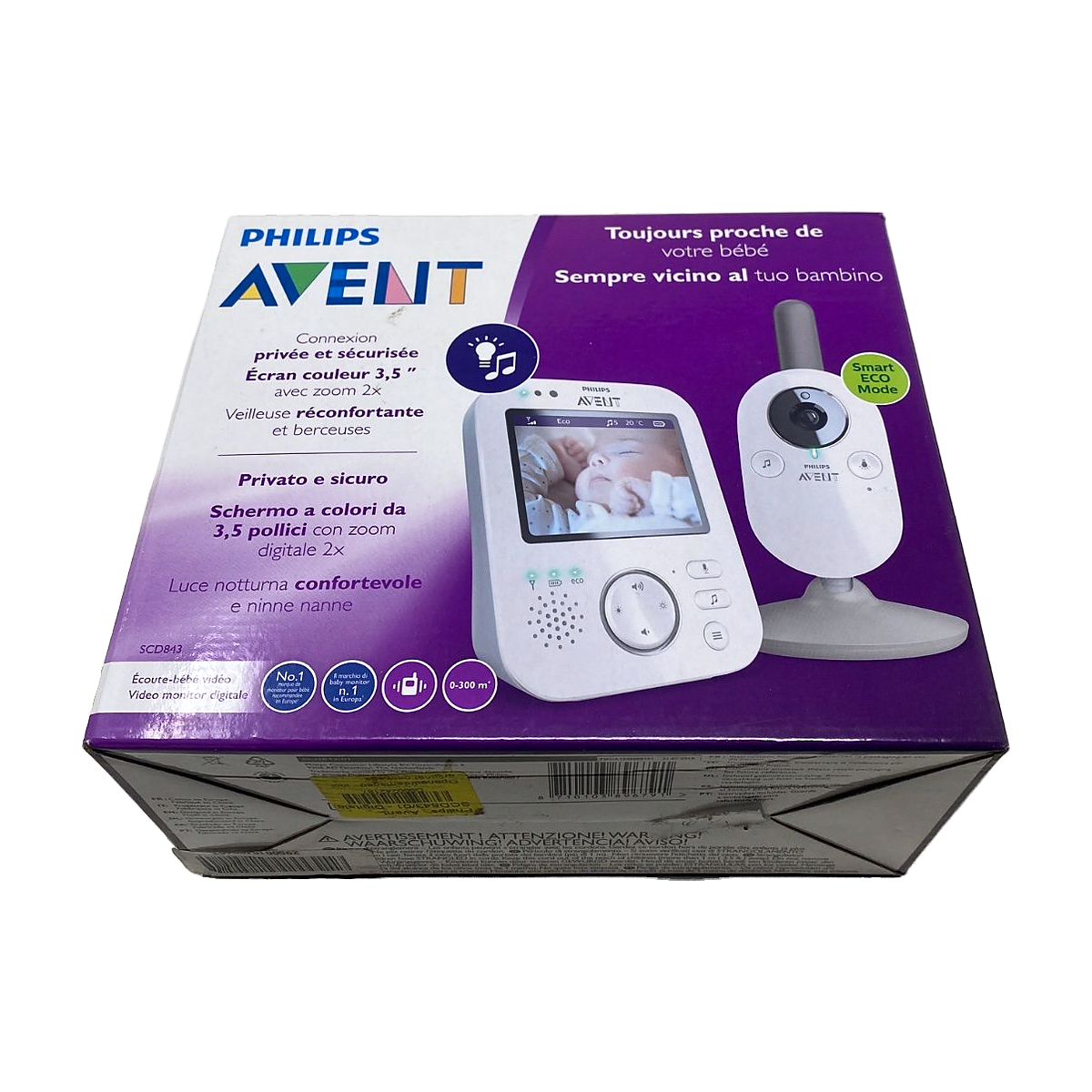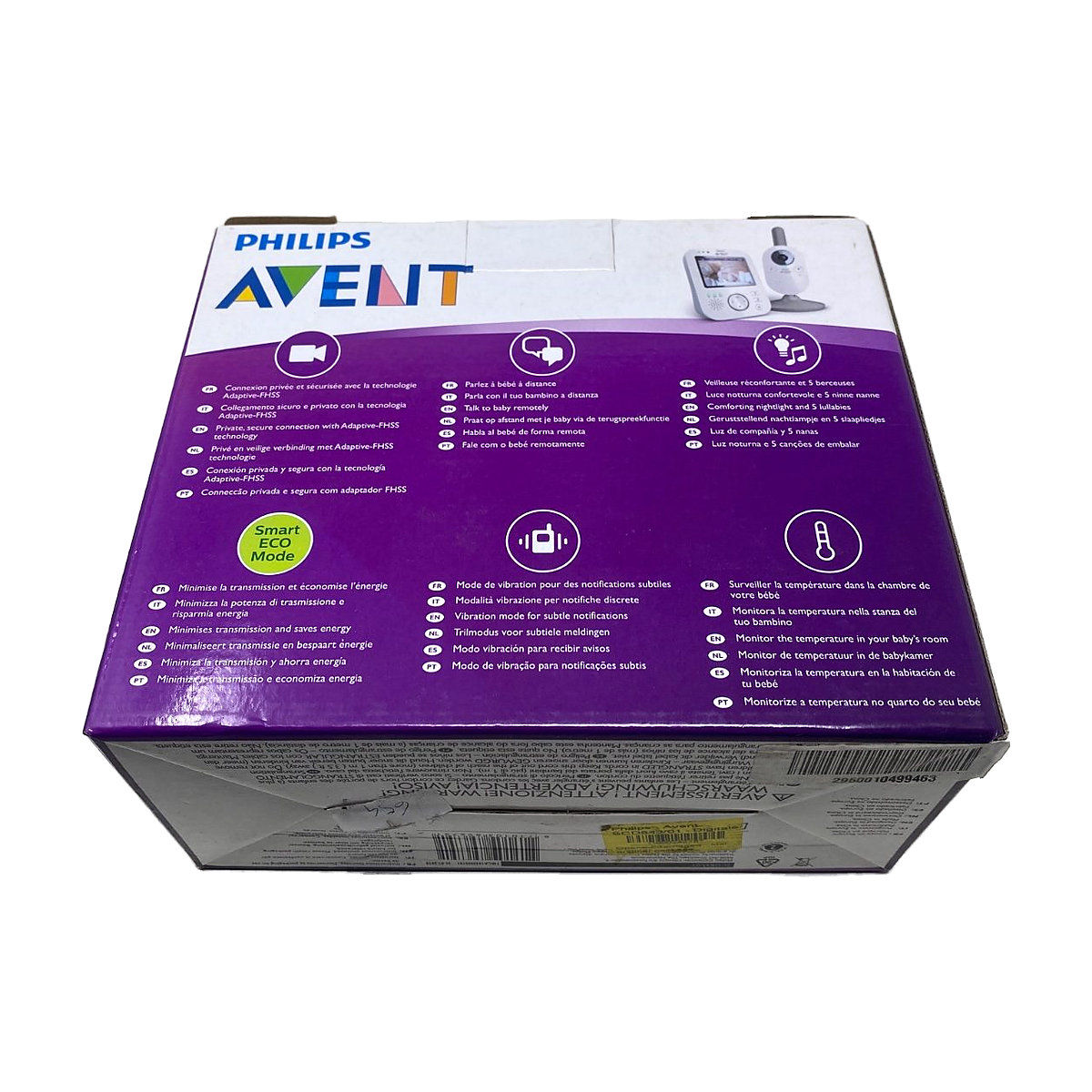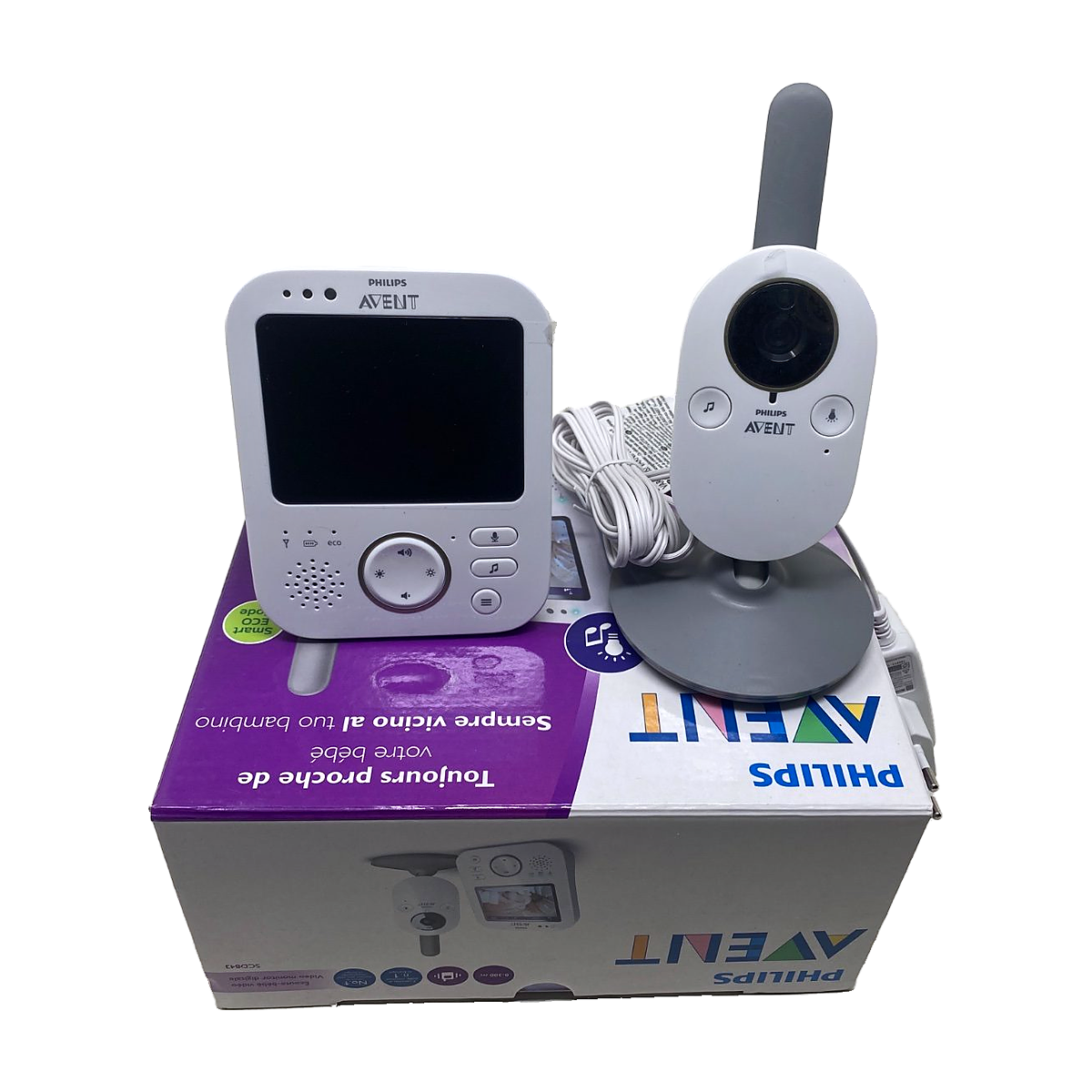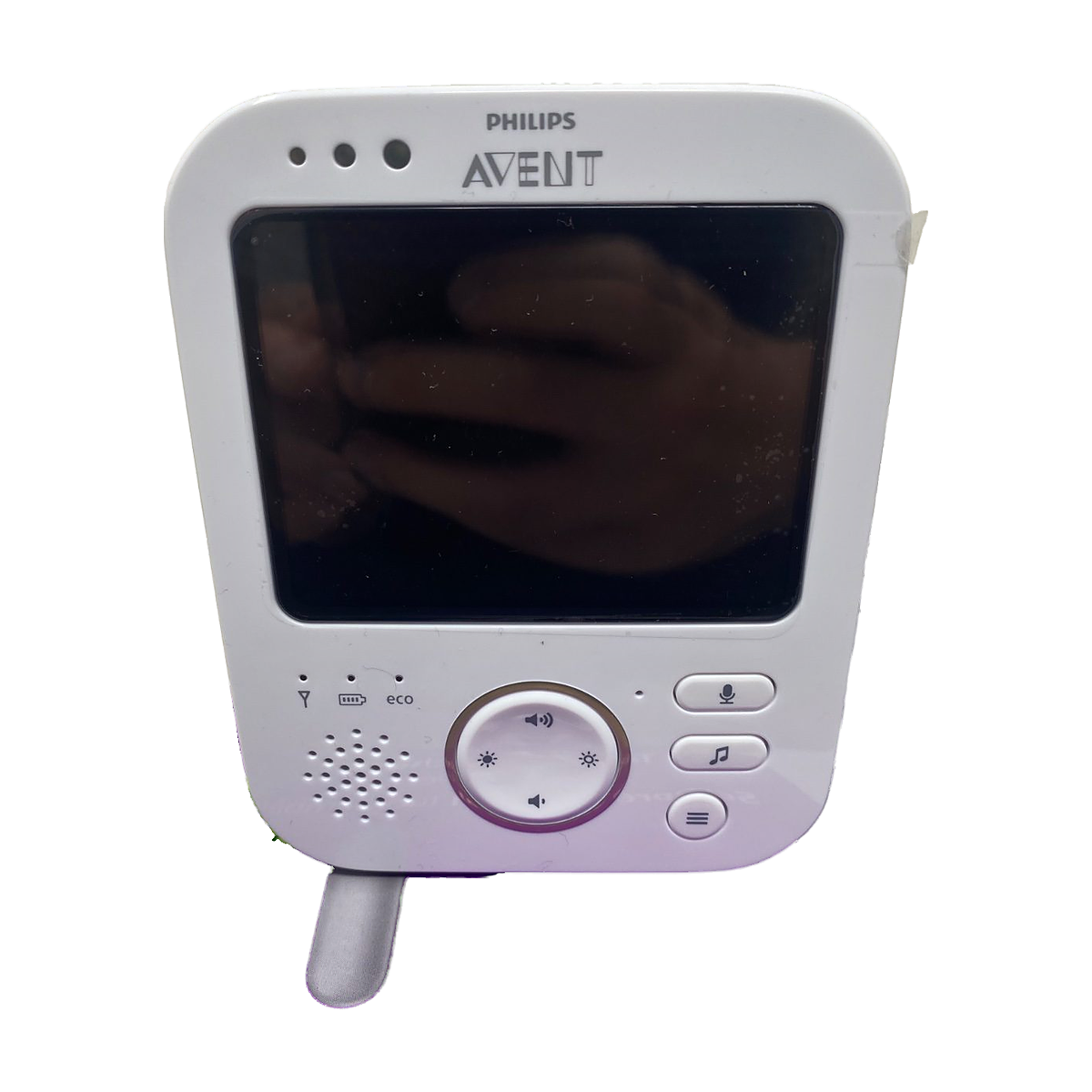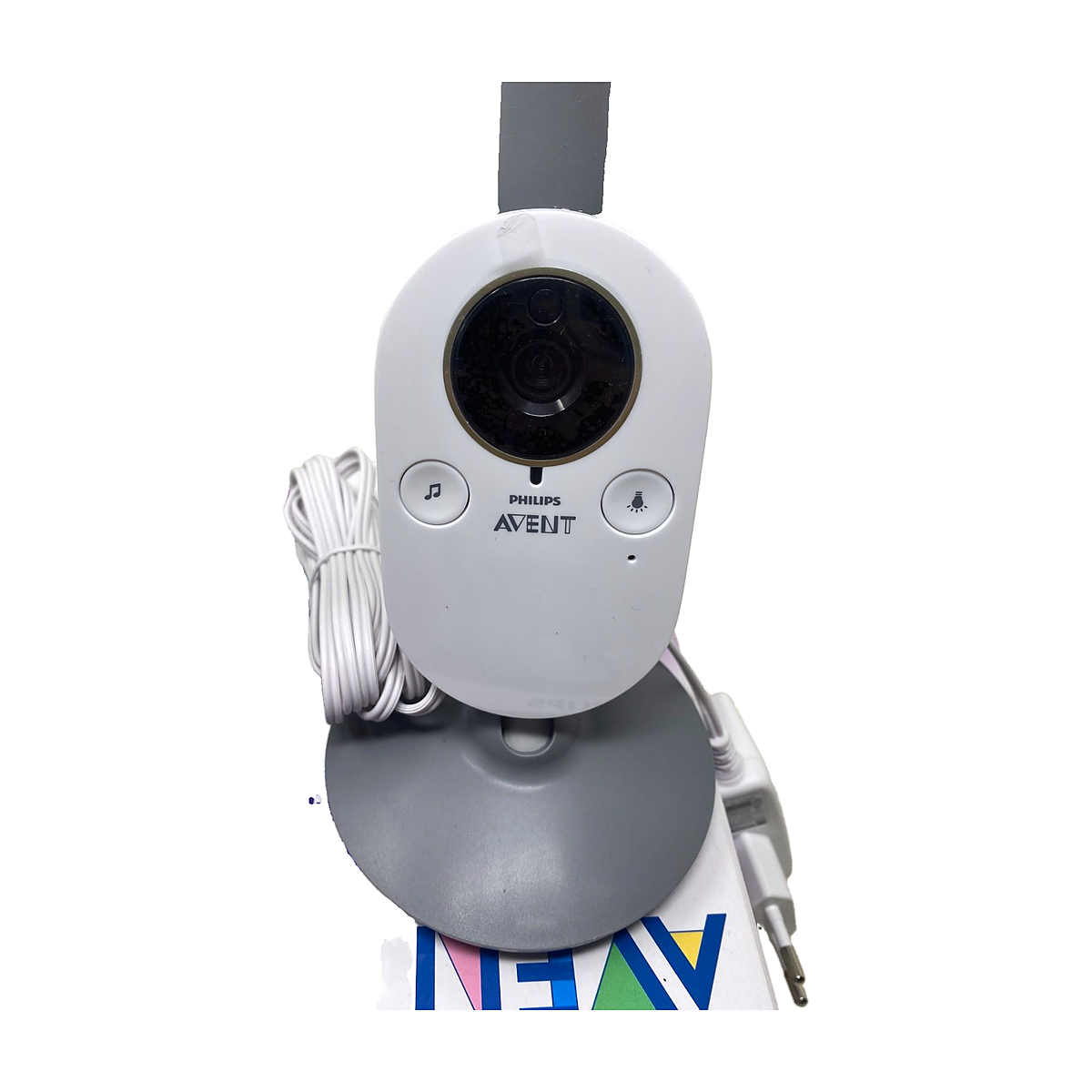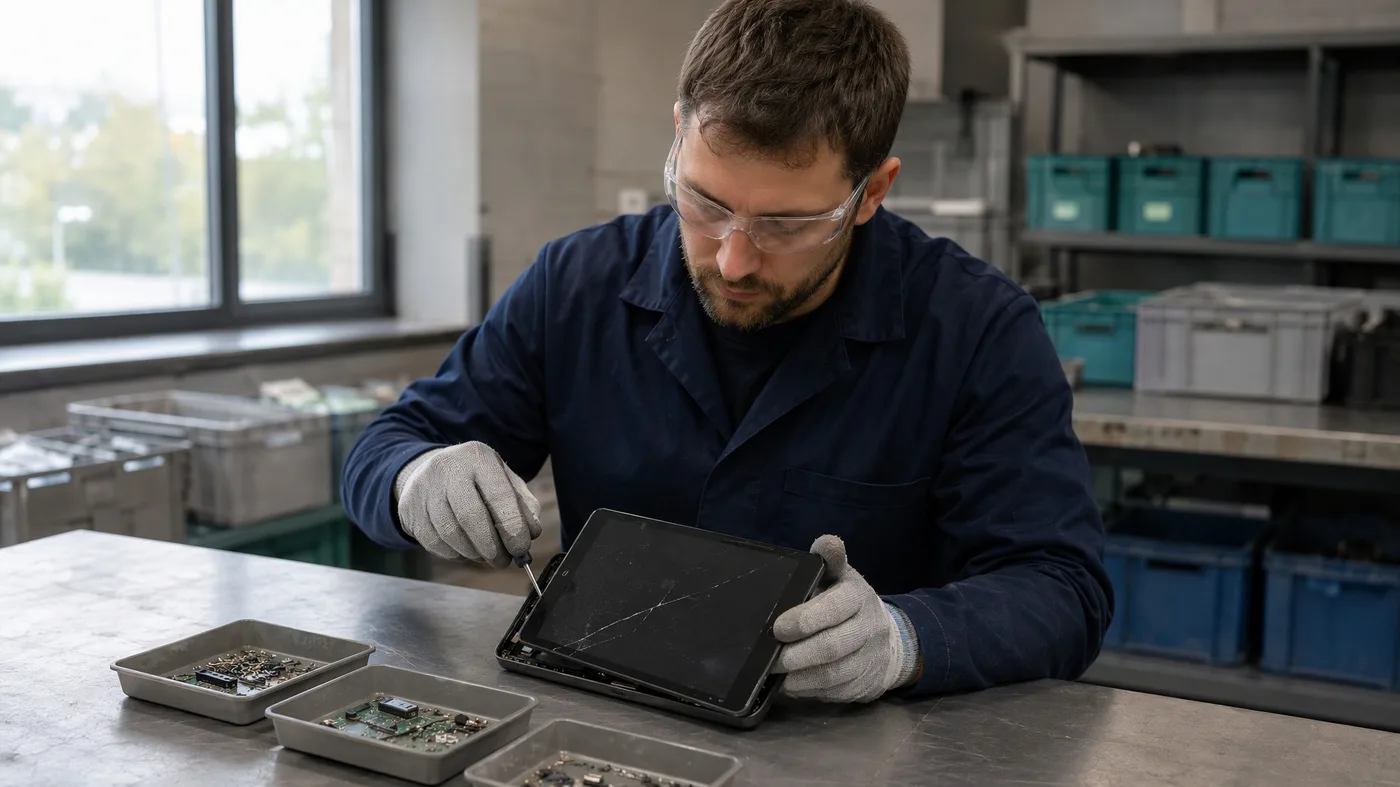

The tablet has a crack in the screen that runs from corner to corner. The Bluetooth speaker's battery has swollen. The monitor flickers irregularly, two seconds on, three seconds black. These are returns from our own Bol.com sales that end up in our warehouse — and that we can no longer offer on SecondBay. Not as refurbished, not as B-stock, not at a discount. There is no second owner for a device that doesn't work.
Look. Most of what comes back to us is perfectly fine. Packaging opened, used for two weeks, buyer's remorse — and we give it a second life via secondbay.be. But a small share is genuinely faulty. And that's where a process begins that most consumers never think about.
As a seller, we pay a Recupel contribution for every product we put on the market. Those few euros on your invoice fund the recycling system that follows — from collection to final processing.
134,000 tonnes a year — and what happens to it
In 2024, Belgium collected a record amount of electronic waste: 134,446 tonnes, equivalent to 45 million devices. Every Belgian brought an average of 11.4 kilograms of discarded electrical goods to a collection point — a recycling centre, charity shop or retail drop-off. That puts Belgium among the world leaders. The European average is 7.5 kilograms.
Behind those figures is Recupel, the non-profit that organises the entire chain in Belgium: collection, transport, processing. The recycling centre is the main channel — accounting for 54% of the volume. Alongside it are charity shops, the retail sector and Recupel's own collection service for businesses.
Not to put too fine a point on it, but the system works. Recupel's recycling partners recover more than 90% of the materials in an electrical device. That is exceptionally high. But it is not 100%. And in those missing percentages lies a story that touches on one of the bigger raw-material questions of this decade.
From recycling centre to smelter — step by step
Say our faulty tablet ends up at a recycling centre. That's where depollution begins — by hand. Batteries out, toners and ink cartridges removed, capacitors detached. Everything hazardous — cadmium, lead, PCBs, CFCs — is taken away separately.
At Galloo in Menen, one of Recupel's largest processing partners, this happens daily for more than 65,000 tonnes a year. A good share of the workers doing the dismantling come from the social economy — sheltered workshops that have turned recycling into a source of work and inclusion. Behind every broken printer being dismantled is someone with the hands to do that work. It's a side of the e-waste chain you rarely find in the policy reports.
After depollution, everything goes through the shredder. The device is ground into pieces. Magnets separate the ferrous metal. Eddy-current separators pull out the non-ferrous — aluminium, copper, nickel, lead. Galloo runs a 'fines line' that can separate precious metals from plastics down to 0.2 millimetres.
The most valuable fractions — circuit boards, processors, memory cards — then travel to Hoboken, near Antwerp. That's where Umicore's smelter stands: one of the largest metal refineries in the world. The company processes hundreds of thousands of tonnes of material there each year from more than 200 waste streams and recovers more than twenty metals from it — from gold and silver to platinum, palladium and indium.
Honestly, the scale is staggering. A thousand kilograms of old mobile phones contain roughly 300 grams of gold — dozens of times more than a tonne of gold ore from a classic mine. The process is pyrometallurgical: melting at extreme temperatures, where base metals such as copper and lead effectively draw the precious metals along with them through successive separation steps.
But then, smelting has its limits. Not every metal can be separated that way. Some elements are too finely dispersed or too low in concentration. Precisely for those metals there is a second technique: hydrometallurgy — a wet chemical process in which you dissolve metals and then separate them again step by step. Slower and chemically more complex than smelting, but it reaches metals that are lost in the furnace.
What gets lost along the way
Indium — the metal that gives LCD screens their bright display — is barely recycled. It is present in quantities too small and too spread out across the screen to build a profitable process around it.
And it is not just indium. As electronics get smaller, the amount of metal per component falls while the number of components per device rises. When circuit boards go into the shredder, the smallest gold particles spread across all the fractions — a little in the plastic, a little in the metal, a little in the dust. Over time, that gold disappears.
And then there are the metals Europe depends on strategically. Chromium, vanadium, molybdenum, niobium — four names you would not readily associate with electronics. Yet they are in there: chromium in the stainless-steel parts of housings and frames, niobium in certain capacitors on circuit boards, molybdenum in semiconductor processes. Each one a metal that is indispensable to manufacturing — from stainless steel to aerospace alloys to superconductors.
Of chromium, Europe imports 45% from outside the continent. Of vanadium, molybdenum and niobium: virtually 100%, mainly from South Africa, Brazil, China and Russia. The same countries whose supply has become less certain in recent years because of trade conflicts, export restrictions and geopolitical shifts.
An H2020 project that shows how difficult recovery is
That aside: those metals are present in even larger quantities in industrial by-products — steel slag, ferrochrome slag — which often end up in landfills or are used as low-grade construction material. That is why the European Union funded the CHROMIC project through Horizon 2020: four years of research, from 2016 to 2020, coordinated by VITO in Mol. The consortium investigated how chromium, vanadium, molybdenum and niobium can be recovered from those slags through hydrometallurgical processes.
CHROMIC was part of a broader European research cluster — more than twelve related projects, including NEMO, CROCODILE, TARANTULA and SOCRATES, worked in parallel on recovering critical raw materials from secondary sources. The shared starting point: Europe already possesses the raw materials. They are locked inside material that is treated as waste.
The result of CHROMIC was promising and sobering at once. The consortium achieved a chromium recovery of more than 95%. But to get there, chromium had to be converted from its harmless trivalent form to the hexavalent variant — Cr(VI). That substance is carcinogenic, can contaminate groundwater and is subject to strict environmental standards in Europe.
It is the same type of chromium pollution that in the 1990s in California led to one of the best-known environmental lawsuits in American history. CHROMIC did not manage to remove all Cr(VI) residues from the end product before the project ended.
That is not a failure — it is the reality of raw material recovery. The technology to extract critical metals from waste exists. But it is not always profitable, not always safe, and not always scalable. Every kilogram of material you do not have to put through that process is a kilogram saved.
Why reuse is always step one
Two stories come together here. On one side: a Belgian recycling chain that ranks among the best in the world — but does not recover everything. Indium that is lost. Chromium that turns toxic before you can separate it. Gold that disappears into the finest fractions. On the other side: devices that could last for years but are retired too soon.
Recupel's most recent owner study shows how big that problem is. The average Belgian household owns 106 electronic devices. Twelve of them are no longer used. Add that up for the whole of Belgium and you arrive at 55 million unused devices — devices that are not broken, but that do not go to the recycling centre either. Raw materials locked away in drawers and cupboards.
Every month an electronic device lasts longer — through reuse, through a second owner, through refurbished — is a month the recycling chain is postponed. Not avoided: every device reaches its end one day. But postponed. The metals stay in the product where they serve a purpose, instead of in a smelter where part of them is inevitably lost.
We see that every day at Secondbay. A return that comes back to us from bol.com — a monitor that turned out too big, a headphone in the wrong colour, a tablet that just did not quite meet expectations. Working devices that we check, inspect and offer again. With a warranty. Our range changes with what comes in — one week tablets, the next monitors or smartphones — but the flow does not stop as long as people sell and return online.
That is not charity — we are a commercial business in the circular economy, with sustainability as our business model. But every working product that finds a new owner instead of going to Recupel is one fewer through the shredder. One fewer through the smelter.
The European refurbished market grows by more than 13% a year. The Right to Repair directive, in force since 30 July 2024, gives consumers the right to have products repaired. The EU Critical Raw Materials Act sets targets for the recovery of critical raw materials — and recognises that reuse and extending product life play a key role in that. The European policy framework increasingly points in the same direction: the best recycling process is the one you do not have to start.
Two tablets side by side
Back to our warehouse. The tablet with the cracked screen goes to Recupel. Depollution. Shredder. Separation. The circuit board to Umicore in Hoboken — pyrometallurgical or hydrometallurgical, depending on the metal — and back into the chain again. It is a system Belgium can be proud of, built on the expertise of companies such as Galloo and Umicore and researchers such as the VITO team behind CHROMIC.
But the tablet next to it — the one with the working screen, sent back because the colour did not match the photo — does not have to go through that route. It gets a new owner and years of functional life. All the niobium in the capacitors, all the gold on the circuit board, all the chromium in the stainless-steel frame — it stays where it belongs. In a device someone uses.
In an average Belgian household there are twelve devices that could make that difference. In Ghent, in our warehouse, we make that choice every day — with the returns that come in to us. What works gets a second chance. What no longer can goes into the chain.
And that chain exists. From manual depollution to pyrometallurgy, from the hydrometallurgical expertise built up by projects such as CHROMIC to the smelter in Hoboken that recovers more than twenty metals from secondary raw materials. It is not perfect. But it is there.