
On 13 September 2018, at the University Foundation on the Egmontstraat in Brussels, the InnoVal consortium closed its two-year Erasmus+ programme with a conference it called an Action Dialogue. Coordinated by the Lifelong Learning Platform, with the European university network EUCEN as a partner, the name was a deliberate choice: not an academic congress where researchers look at each other's slides, but a working session for people who have to put validation of non-formal and informal learning into practice.
Assessors, policymakers, VET coordinators, representatives of the European Economic and Social Committee. Cedefop was a co-organiser.
The central product presented that day: a toolbox. Three modules with concrete methods for assessors who have to assess informal and non-formal learning outcomes. Portfolio assessments. Simulations. Observations in the workplace. Digital demonstrations. Each module backed by case studies from six countries — from Greece's Dafni Kek to Portugal's ANESPO, from UC Leuven-Limburg to France's EIESP.
Look. That toolbox still exists. The modules are freely available. The European Digital Learning Network cited it as one of the few practical instruments for assessors in the field. Neth-ER — the Netherlands House for Education and Research in Brussels — listed the conference in its events calendar as an example of how Erasmus+ KA2 projects spread their results. EPALE, the European platform for adult education, published the conference agenda and the project results in several languages.
But there is a problem with toolboxes that nobody says out loud.
A digital toolbox without a digital device
The InnoVal toolbox is built as an online learning environment. The modules run in a browser. The case studies are PDFs. The assessment methods — building a portfolio, video demonstrations, digital simulations — require both the assessor and the candidate to have access to a laptop, tablet or computer.
Not to put too fine a point on it, but the target groups this toolbox was designed for are precisely the groups that most often do not own a device. Refugees, people with low qualifications, the long-term unemployed, early school leavers — the vulnerable groups that InnoVal explicitly names as a priority. The Digital Inclusion Barometer from the King Baudouin Foundation shows it year after year: 46% of the Belgian population is digitally vulnerable. Among low-income groups, the share with weak digital skills rises to 75%.
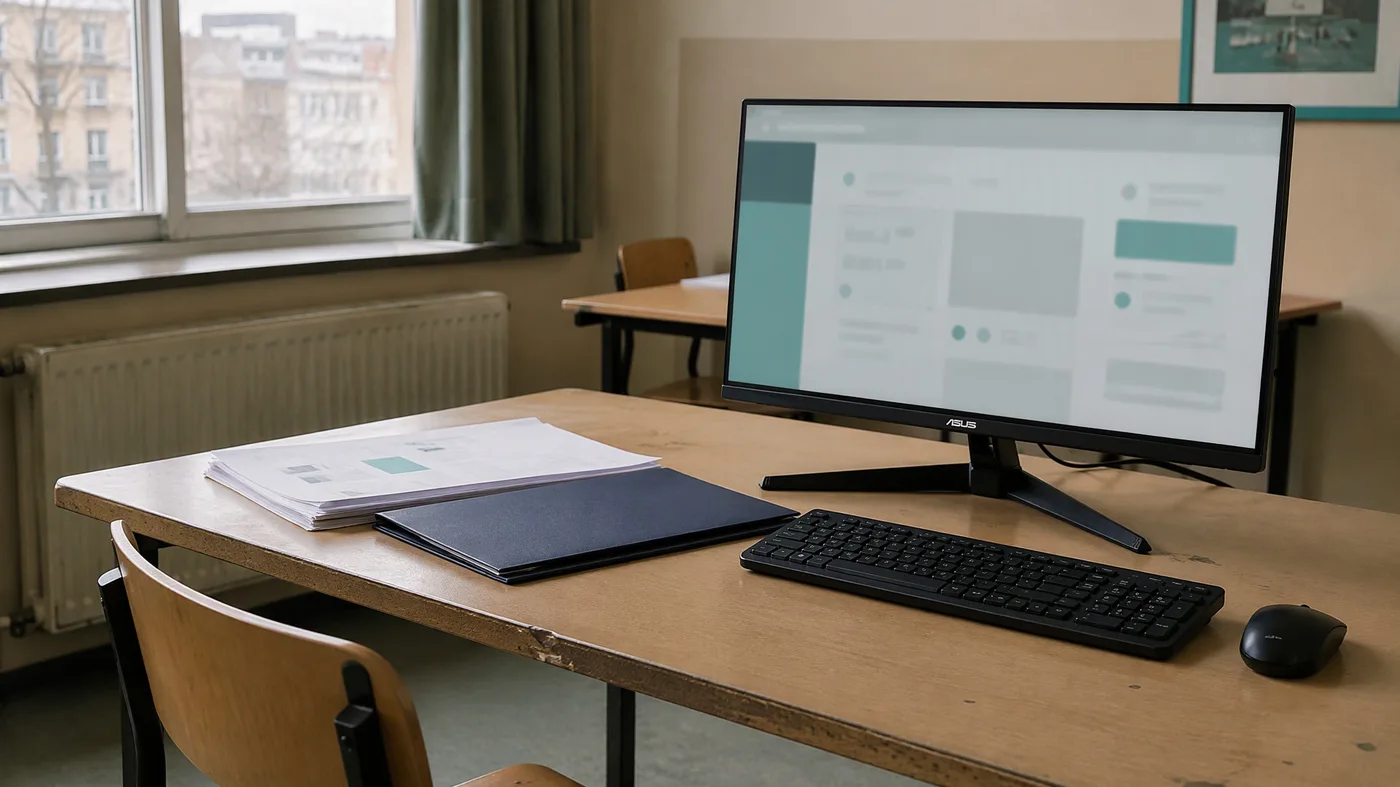
The toolbox assumes the infrastructure is there. That the assessor has a computer. That the candidate can build an e-portfolio. That somewhere there is a screen on which you can record that video demonstration. In the conference room on the Egmontstraat, where everyone had a laptop on the table, that was a reasonable assumption. In a social welfare office in Kortrijk or a VDAB branch in Genk, it is not.
What assessors run into in practice
The InnoVal modules describe what an assessor has to do: choose the right method for the target group, take social barriers into account, safeguard the reliability of the assessment, motivate the candidate. Module II — specifically about innovative assessment methods — goes into detail on the difference between formative and summative approaches, on holistic rubrics, on the halo effect among assessors.
What the modules do not describe is what happens when the candidate has no device to build their portfolio on. Or when the assessor works in an organisation with three shared desktops for twenty staff. Or when the validation procedure has to be submitted digitally to a body that only accepts online files — and the candidate has no email address of their own.
Honestly, that is not a criticism of InnoVal. The project did what it had to do: develop and test assessment methods. The hardware question fell outside its scope. But the hardware question is precisely why the toolbox remains a dead letter in some contexts — a brilliant instrument lying in a drawer because there is no power to the saw.
And the irony is: while that assessor in Genk has no working device on the table, Belgian consumers at that very moment are returning thousands of electronics products to online sellers. Technically in order, barely used — but no longer sellable as new. In Belgian e-commerce, return rates for electronics sit between 15 and 30%. Those are not faulty products. Those are devices waiting for a second owner.
What disappears between conference and practice
The pattern is familiar to anyone working with European project funding. A consortium develops something valuable. The results are presented at a conference. EPALE publishes a summary. The toolbox becomes an Open Educational Resource. And then the project funding ends.
What remains is a website that slowly ages, modules that are available but that no one links to, and a group of assessors who have completed the training but run into the same barriers in their daily work as before. The blog berufswelten.de — a German platform for career guidance — wrote about it at the time under the headline "Innovative approaches to competence assessment wanted." That "wanted" is still there.
That aside: the content of the toolbox is good. The case studies from Portugal, Greece and Finland show assessment methods that work for hard-to-reach target groups. The problem is not the quality of the instrument. The problem is the distance between the instrument and the people it is meant to reach. That distance is partly digital. And partly very concrete: the price of a device.
How e-commerce creates the solution without knowing it
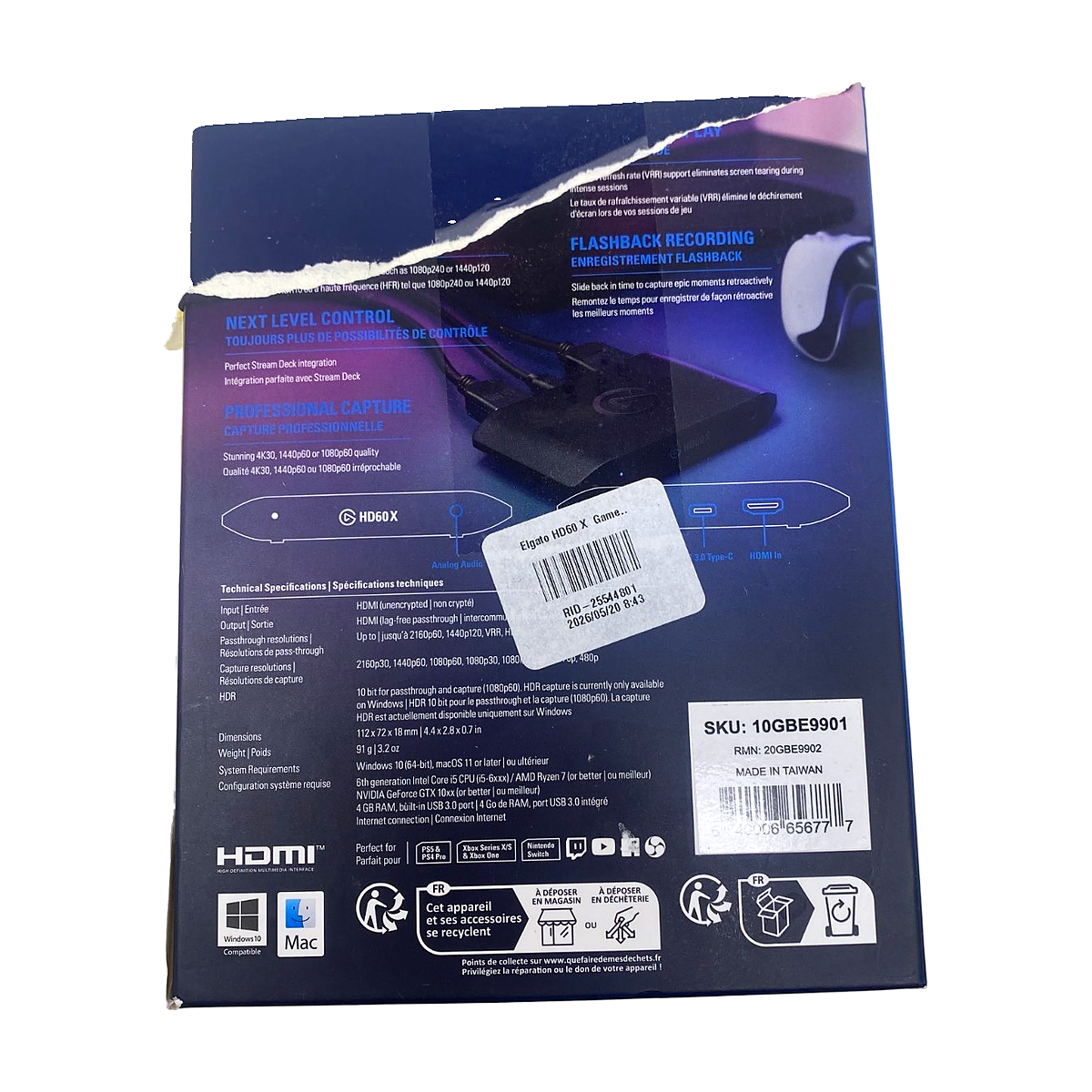
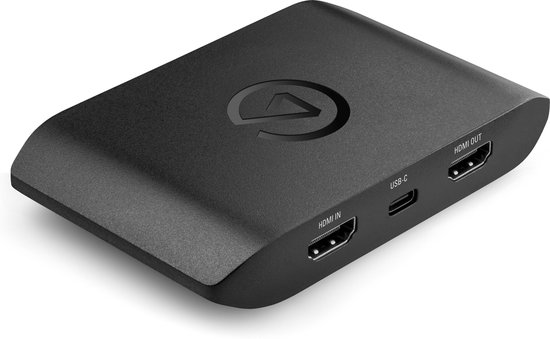
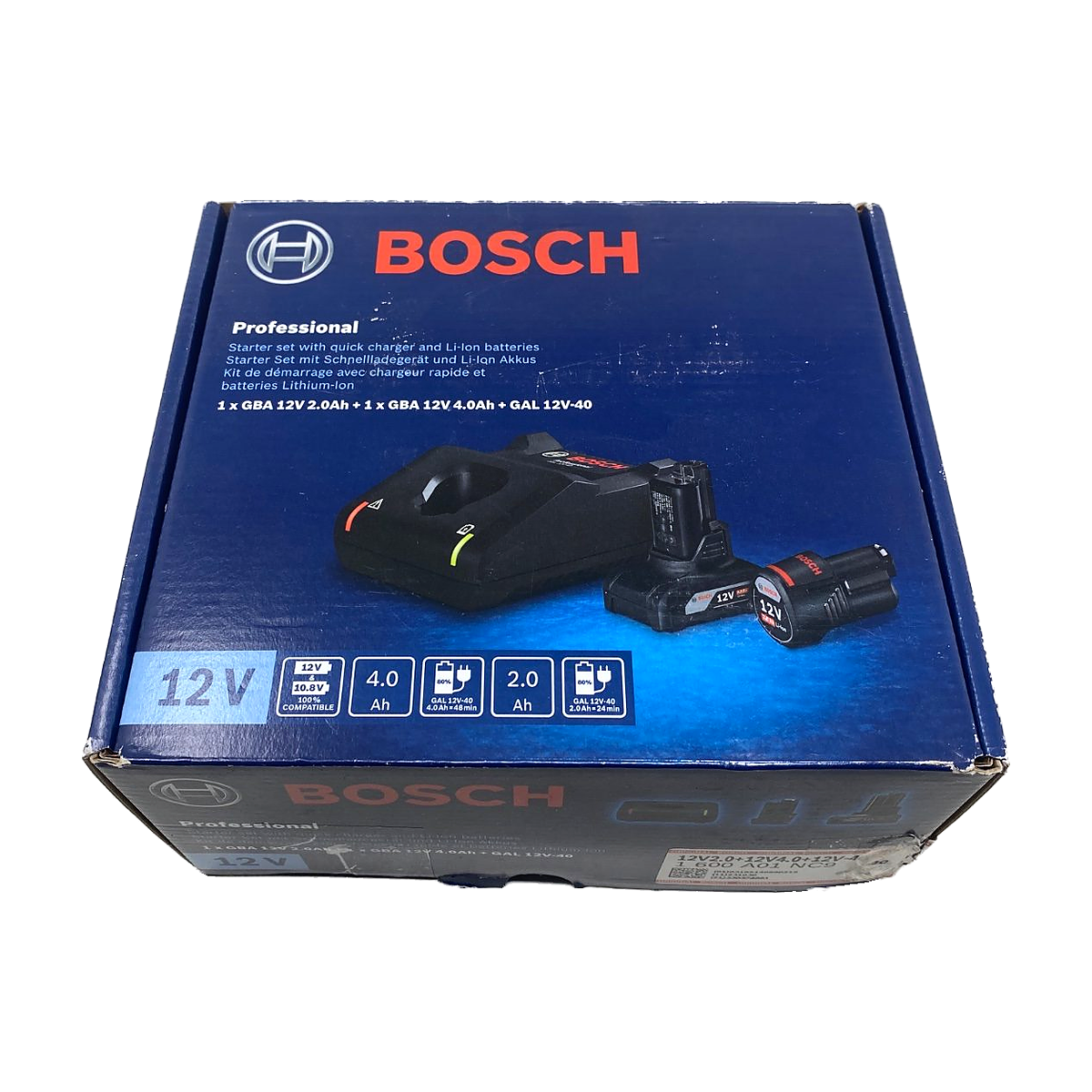
We are SecondBay, a Belgian web shop in Ghent. We sell electronics via Bol.com — the largest online marketplace in Belgium and the Netherlands. People who buy online sometimes send things back. A device a customer has used for two weeks, the packaging opened, technically in order — but not what they expected. That product comes back to us. On a marketplace it cannot be offered again as new.
We give those returns a second life. We check every product, test it, and offer it again through our own web shop. At a fraction of the original price. With a warranty. The same buying experience as ordering a new product — paying online, delivered to your home — but for a device that has already been unpacked once and is therefore considerably more affordable.
Our range changes with what comes back: one week tablets, the next monitors or headphones. That is inherent to how the refurbished market works — supply follows the return stream, not a purchasing plan. But the stream does not stop. As long as things are sold online, there are returns that deserve a second owner.
But then again, we do not build assessment tools and we do not train assessors. What we do is make devices affordable and accessible through the infrastructure that already exists: a web shop, parcel services, online payment, a warranty. The logistics that deliver millions of new products to consumers every day can just as well deliver a refurbished tablet to a candidate for a validation procedure.
The circle that policy does not close
In an earlier article we described how European validation policy and circular-economy policy are two tracks that do not find each other. This article makes the same point more concrete: the InnoVal toolbox is the proof that the methods are ready. The sustainable and circular economy — from Flemish digibanks that lend out refurbished laptops to commercial web shops that sell returned electronics — is the proof that the devices are there.
Europe generates 32 kilos of electronic waste per inhabitant every year. The Right to Repair directive makes repair cheaper. The ESPR forces manufacturers towards more sustainable design. And e-commerce — the same e-commerce that creates the mountain of returns — provides the infrastructure to get those devices to new owners affordably.
The InnoVal toolbox is waiting for a screen. In the return streams of Belgian e-commerce, screens are waiting for a second owner. It is the same waiting room — only one side does not know about the other.