Six partners, five countries, three years of research — and a conclusion that fits on a beer mat. When the InnoVal consortium presented the results of its Erasmus+ project in 2018, the message was clear: standardised tests exclude precisely the people who benefit most from validation of their skills.
Refugees who worked in construction for ten years but have no diploma. Early school leavers who taught themselves graphic design via YouTube. People in their fifties who, after a restructuring, cannot prove what they did on the shop floor for thirty years.
The consortium — coordinated by the Lifelong Learning Platform in Brussels, with UC Leuven-Limburg and the European university network EUCEN among others — documented what everyone in the field already knew. The traditional pen-and-paper test does not measure what these people can do.
Look. That problem has largely been solved. InnoVal developed a toolbox of alternative assessment methods: portfolios, simulations, workplace observations, digital demonstrations. The European platform for adult education EPALE distributed the results in twenty languages. Cedefop — the European agency for vocational training — included the recommendations in its inventory of lifelong guidance. The European guidelines for validation were revised for the third time in 2023, with partners from Greece's Dafni Kek to Portugal's ANESPO supplying their case studies.
But there is a gap in the story that nobody names. And it has nothing to do with methods.
Digital assessments without digital devices
Almost every alternative assessment method InnoVal recommends requires a digital device. You build an e-portfolio on a laptop. You record a video demonstration with a tablet or smartphone. Online assessment platforms — Europass, Flanders' Digiwijzer, Wallonia's Pix instrument — run in a browser. Even the paper alternatives are ultimately submitted digitally, because the validation bodies work with digital files.
The researchers assumed that access to a device is a given. It is not.
The King Baudouin Foundation's Digital Inclusion Barometer has been measuring this for years. In 2022: 46% of the Belgian population is digitally vulnerable. Among low-income households, almost one in three has no internet connection. 40% of Belgians have weak digital skills — among low incomes and low education levels that rises to 75%.
Not to put too fine a point on it, but those are exactly the same groups InnoVal wants to reach. Refugees, the low-skilled, the long-term unemployed, early school leavers — the most vulnerable groups in the labour market. The people for whom the EU wrote its 2012 Council Recommendation on the validation of non-formal and informal learning.
The people who need their skills on paper most — and who do not own a laptop or tablet to request that paper digitally. While those very devices, barely used and technically perfect, lie waiting in returns warehouses.
Fifty digibanks and a ticking clock
The Flemish government saw the problem and responded. Under the Flemish Resilience recovery plan — funded by NextGenerationEU — the digibanks were created. At their peak more than fifty, spread across Flanders and Brussels. Locations where you can borrow a refurbished laptop, take a workshop on Tax-on-web or Smartschool, and get help with digital government services.
It is no coincidence that the digibanks work with second-hand and refurbished devices — for the price of one new device you can deploy several refurbished ones.
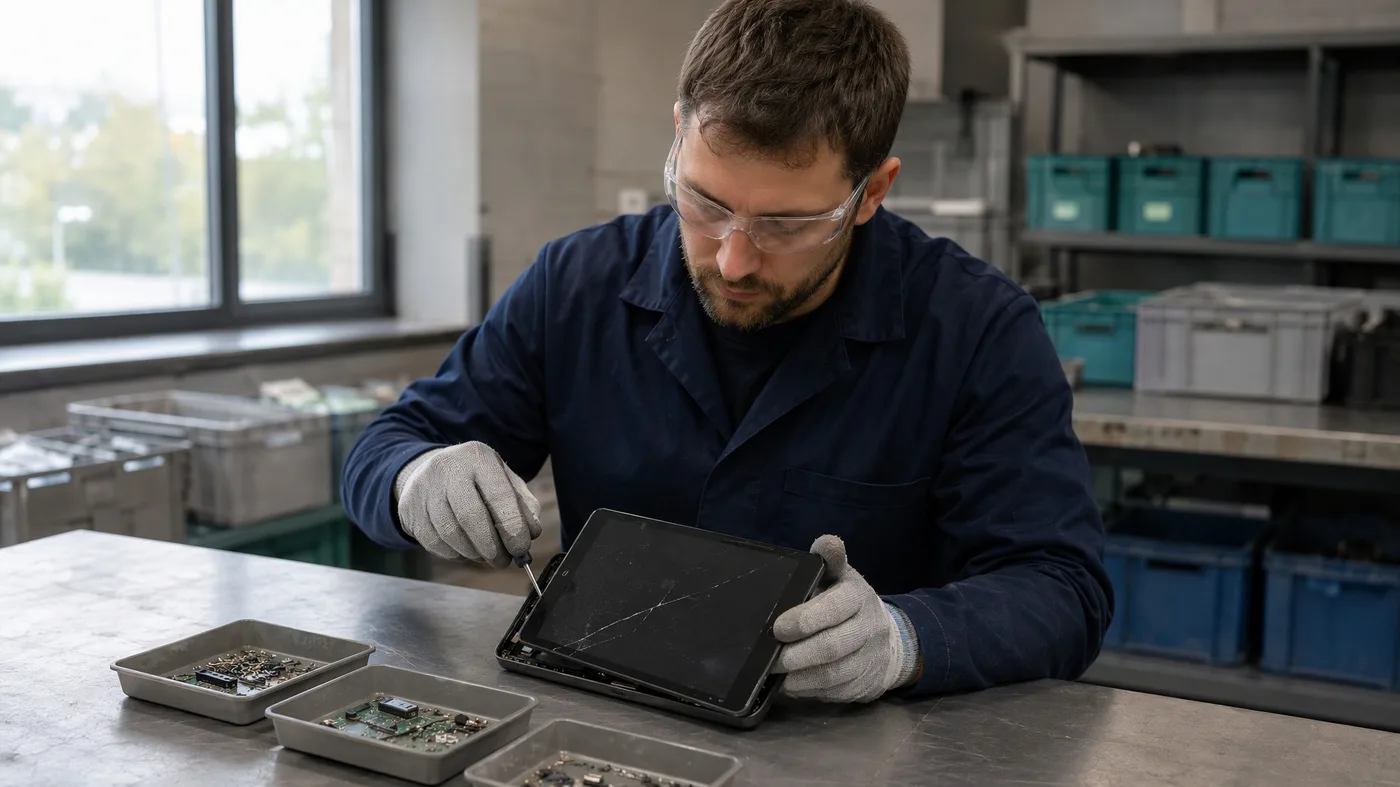
In Kortrijk the digibank works with Kringloopwinkel Deltagroep, which repairs tablets and laptops so they can be used again. In Ghent — the city where we at SecondBay give returned electronics a second life — three digibanks each focus on a different target group: U-CONNECT for jobseekers, WELZIJNSBUREAU for OCMW clients, DE SERRE for broader disadvantaged groups. The same basis, the same need: you need a device to take part.
Honestly, the model works. The Flemish government's evaluation study shows that visitors feel more familiar with digital tools. But there are two problems. The funding ends in July 2026. And the digibanks lend out devices — they do not give them away. A laptop you borrow for a six-week course is not the same laptop you use six months later to build your e-portfolio for a validation procedure at VDAB.
In parallel, Close the Gap and DNS Belgium launched the Digital for Youth programme. During the pandemic they collected 11,000 refurbished laptops for Belgian schoolchildren without a computer at home. Impressive — but they are projects. Temporary, dependent on donations, and finite.
What online shopping creates — and what it could solve
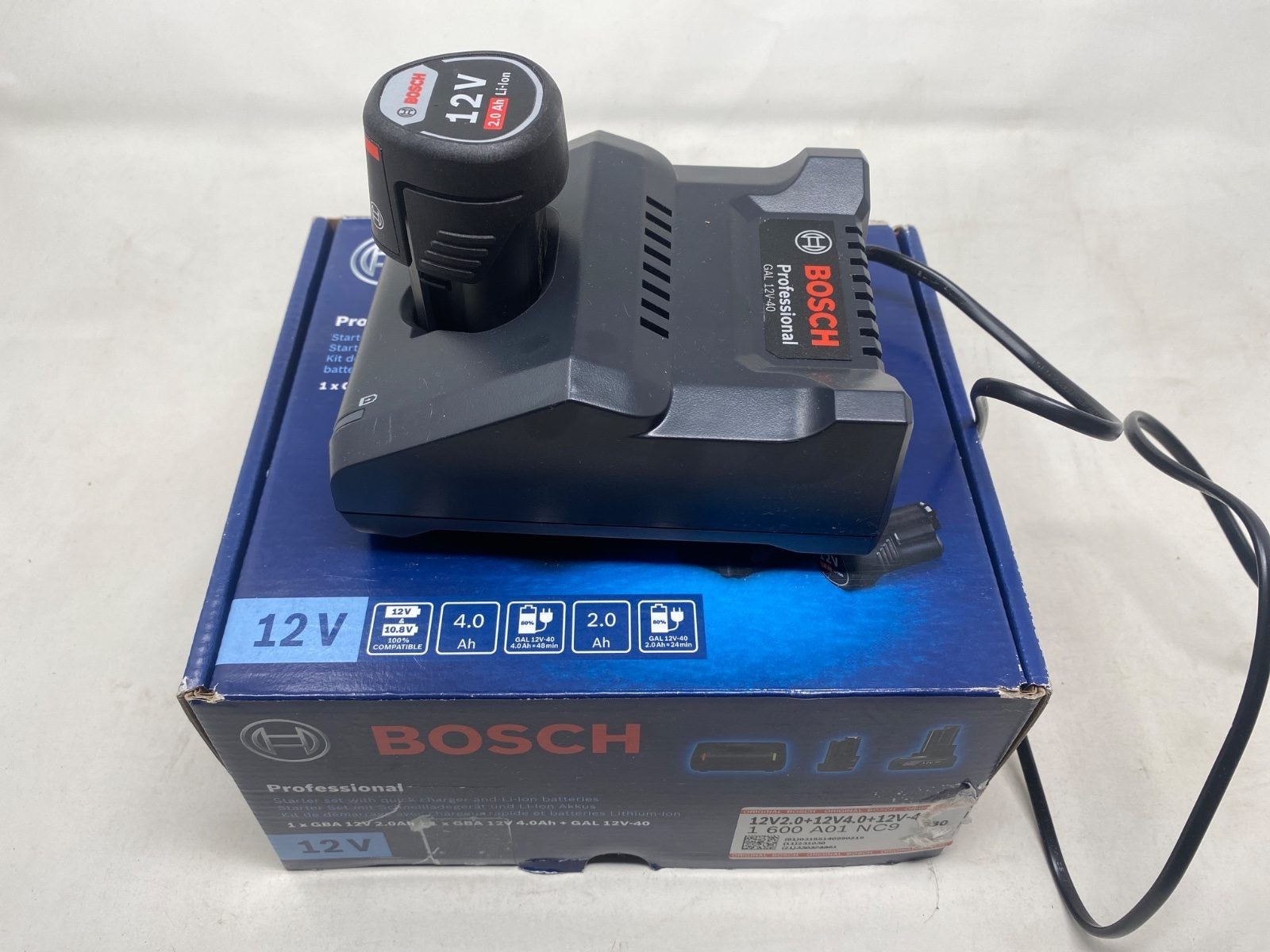
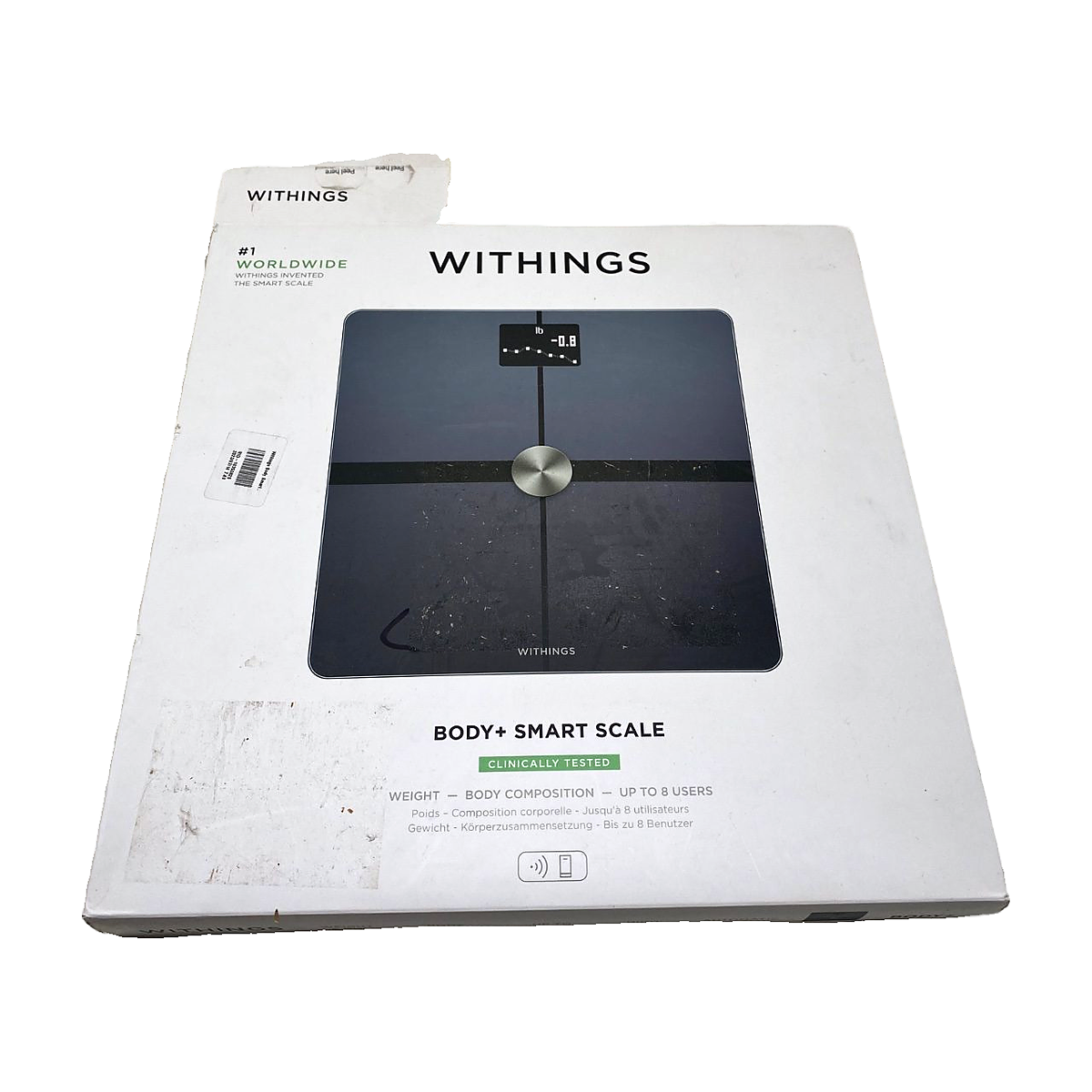
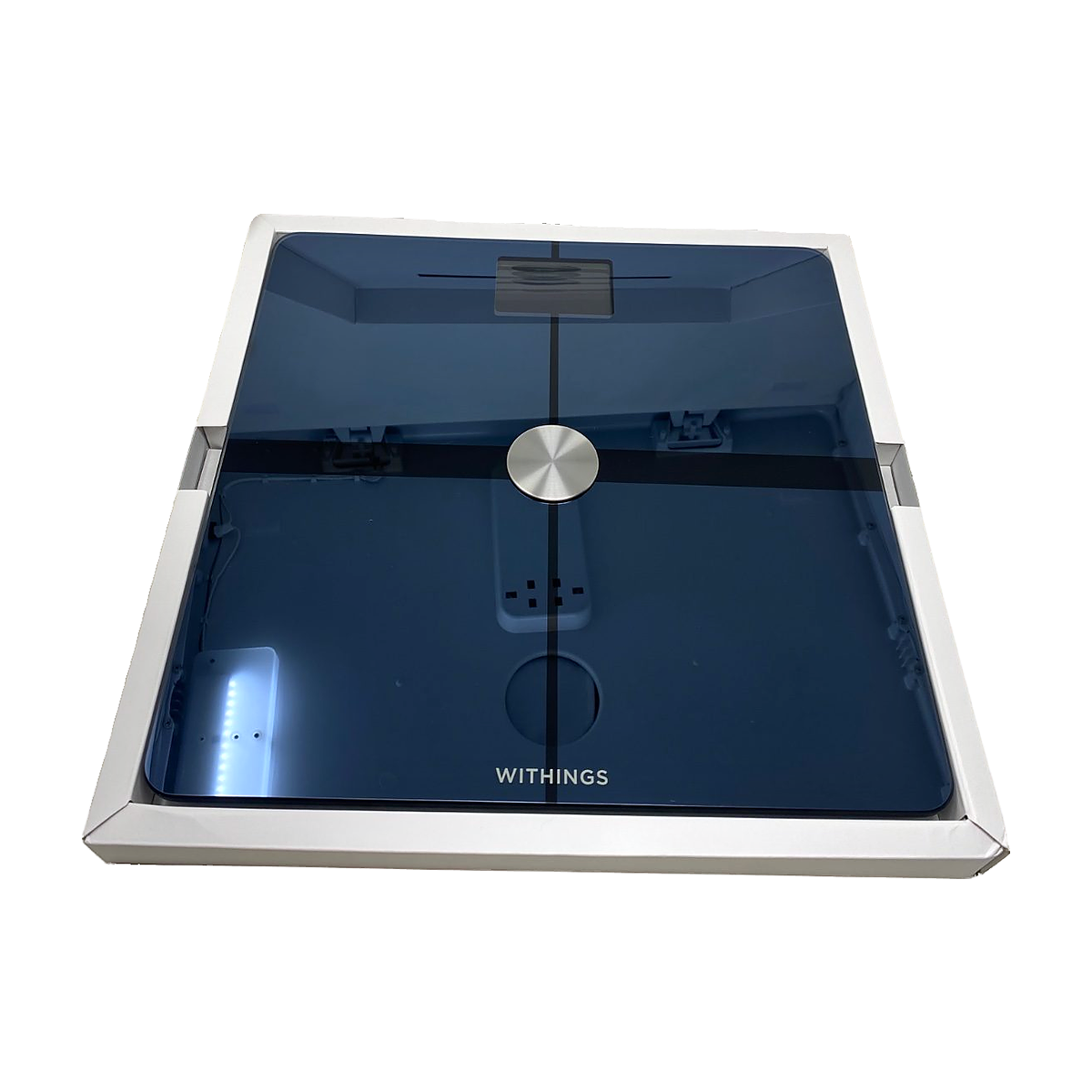
That said: it is not as if the devices themselves do not exist. In Belgian e-commerce — where Bol.com is the dominant marketplace — return rates of 15 to 30% apply to electronics. These are not faulty products. They are laptops, tablets, monitors that a customer has unpacked, used for two weeks, and sent back because the size did not suit, the colour disappointed, or their partner had already bought the same gift. Technically perfect. Commercially unsellable as new.
Europe generates 32 kilos of electronic waste per European every year. The European refurbished market grows by more than 13% a year. The paradox is this: the same online buying behaviour that creates the mountain of returns could close the digital divide. The devices are there. The logistics are there — the same parcel services that deliver an order can deliver a refurbished device. The only thing missing is the connection.
From return stream to second owner
We see this in our own company. As SecondBay we sell electronics via Bol.com, and people who buy online sometimes send things back. That product comes back to us. On a marketplace it cannot be offered again as new. It ends up in an in-between space that most consumers never see.
We give those returns a second life. We check every product, test it, and offer it again through our web shop — at a fraction of the original price. With a warranty. Our range changes with what comes back: one week tablets, the next monitors or headphones. But the stream does not stop — as long as people sell online, there are returns that deserve a second owner.
That said, we are not a charity. We are a commercial company in the circular economy. And perhaps that is exactly what makes the difference. A digital helpdesk depends on government funding that can run out. A donation project depends on companies donating their old IT equipment. A commercial market for affordable refurbished devices exists for as long as e-commerce exists — and e-commerce grows, year after year.
For someone who wants to build an e-portfolio for a validation procedure, that is the difference between dependence and ownership. A refurbished device with a warranty is not a favour — it is a purchase. You order it online, it is delivered, it is yours. The same experience as buying a new product, at a fraction of the price, with the certainty that the device stays yours — next month, next year, whenever you need it.
Two policy tracks that never meet
Meanwhile the European e-commerce landscape is shifting under our feet. The Right to Repair Directive, in force since 30 July 2024, gives consumers the right to have products repaired at a reasonable price — including after the warranty period. Member states must transpose the directive into national law by 31 July 2026.
The Ecodesign for Sustainable Products Regulation (ESPR), in force since 18 July 2024, raises the bar for the sustainability of virtually all physical products on the European market. All that policy makes it easier and cheaper to give devices a second life. But nowhere is there an explicit link between validation policy — how we recognise informally acquired skills — and the circular-economy policy that must make that recognition physically possible. They are two trains at the same station but not on the same platform.
First-degree renewal in Flanders — researched by UC Leuven-Limburg, the same institution that was a partner in InnoVal — recognises the importance of informal learning at school. Pupils learn not only in the classroom but also in the playground, through online platforms, during work placements. The infrastructure follows: schools receive budgets for devices. Digisprong invested €170 million in the digitalisation of Flemish education. But those programmes focus on schools — not on the adults who stand outside the education system.
The Slovenian Andragogical Centre and the Slovak National Institute for Education and Youth — institutions that have referred to the InnoVal project for years — describe the same pattern. The methods exist. The platforms exist. The hardware gap remains.
What is still missing
Twenty years of European education policy have developed the methods to recognise skills that people acquire outside the formal system. E-commerce has created the return streams that yield affordable devices. The only thing still missing is for those two worlds to find each other.