202 out of 262. That is the number I carried with me the longest after reading the flood files. Two hundred and two of the two hundred and sixty-two Walloon municipalities were recognised as disaster areas by the Walloon government after July 2021. Not half. Not a quarter. More than three-quarters of an entire region.
I don't know how that sounds when you read it. But I know how it looks when you drive through the Vesdre valley, almost five years later. The new facades that are too new for the street. The social housing that still stands empty — doors closed, letterboxes overgrown. The bridges where the handrail still gleams with steel.
The physical rebuild — you can see it. But there is another kind of recovery that is invisible. The recovery of communities. Of the everyday structure that lets people function: school, work, care, contact with one another. And in 2026, much of that recovery runs through devices sitting on a kitchen table.
Or not sitting there. Because the water took them.
What community recovery actually means
There is a word in Tagalog — bayanihan — that refers to the Filipino tradition in which an entire community comes together to literally move a house. Everyone carries a piece. The image is concrete: dozens of shoulders under one roof. The concept is broader: a community's resilience lies not in its infrastructure, but in its ability to act together when things go wrong.
A research report from the MICRODIS project — in full Integrated Health, Social and Economic Impact of Extreme Events, the European FP6-funded consortium that studied the socio-economic and health impact of extreme events between 2007 and 2012, led by the Centre for Research on the Epidemiology of Disasters at UCLouvain in Brussels — used exactly that concept. The report, titled Rebuilding Communities and Lives: The Role of Damayan and Bayanihan in Disaster Resiliency, described the role of community solidarity in the resilience of households after disasters. Not the height of the dyke. Not the budget of the emergency services. But the bonds between people.
Look. That sounds warm and human, and it is. But it has a hard, practical side. Community recovery means: that children can go to school. That parents keep an income or find a new one. That families have access to care — physical and mental. That neighbours stay in touch. That the social services centre can be reached. That the insurer can be reached. That the municipality shares information about repairs, subsidies, temporary housing.
In 2026, each of those functions — school, work, care, government, social contact — runs to a substantial degree through digital channels. And each of those channels requires a device.
The digital vulnerability that was already there
Here it becomes important to be honest about the starting position. The digital divide in Belgium was not created by the floods. It was already there. The floods only made it invisibly larger.
Eurocities — the network of major European cities — published an analysis of digital inclusion in 2024 in which one figure stood out: 46 per cent of the Belgian population is digitally vulnerable. Almost half. Not only older people. Not only low incomes. All age groups, all regions, with higher percentages among marginalised groups. Ghent — the city where I live — has more than 10,000 digital help requests a year from volunteers helping citizens with basic tasks: filling in a form, making an appointment, installing an app.
In Wallonia, where the floods hit hardest, the digital infrastructure is structurally weaker than in Flanders. Belgium has an internet penetration of 93 per cent — above the EU average of 89 — but that figure says nothing about the quality of access or the availability of devices in low-income households. The Digital Wallonia programme has been investing in connectivity, skills and digital public services since 2019. The Wallonia-Brussels Federation has put 170 million euros into the digitalisation of education through the Digital School programme. But the reality on the ground — especially in the smaller municipalities along the Vesdre, the Ourthe, the Amblève — in July 2021 was that many households were already struggling with digital access before the flood.
And then came the water.
What disappears when the water comes
I have written about this before: the economic impact of lost electronics after a flood. The numbers — 71,000 damage claims, 2.8 billion euros of damage in Wallonia, 39 deaths. But those numbers do not tell you what disappears at community level.
Let me make it concrete. A school in Pepinster. The first school day after the summer of 2021. The children are in a temporary classroom because the school building is damaged. The teacher wants to start a lesson via Smartschool — the digital learning platform used by 57 per cent of all Flemish primary and secondary schools, and by one in five French-speaking secondary schools. Homework, tests, communication with parents, timetables, grades — it all runs on that platform.
But four children in the class no longer have a device at home. The family tablet was on the coffee table. The laptop was in the living room. All gone. And the Wallonia-Brussels Federation does have a scheme for buying or renting computer equipment for pupils, but it requires a contribution of 75 euros per family — at a moment when those families are replacing their boiler, their floor and their car.
Honestly: 75 euros does not sound like much. But when you have lost everything, 75 euros is the difference between in and out. And the device itself — that 75 euros comes on top of it.
That aside. The point is not the 75 euros. The point is that digital access is not a luxury for those children. It is the condition for being able to take part at school. No device, no Smartschool. No Smartschool, no homework, no tests, no communication with the teacher. The difference between a child who keeps up and a child who is left behind.
The first line that nobody names
After the floods, Wallonia's social fabric mobilised quickly — faster than the official relief effort, in many cases. Housing Europe documented how social housing companies in Wallonia formed the first line of support. Within two weeks of the flood, most of the affected housing companies had found alternative accommodation for their tenants. 378 private households were rehoused through social housing. 195 were still on the waiting list.
The Walloon government released 50 million euros for emergency housing via municipalities and public social welfare centres. A further 40 million went towards buying homes on the private market to make them available to affected families. The European Investment Bank signed a record loan of 1.1 billion euros for Wallonia — partly for reconstruction after the flood, partly for energy-efficient renovation of social housing.
What was in none of those programmes: replacement of digital devices.
Not in the 50 million for emergency housing. Not in the 40 million for home purchases. Not in the EIB's 1.1 billion. Physical reconstruction — roofs, walls, bridges, sewer systems — rightly took priority. Digital reconstruction — the devices a family needs to function in a society that has become digital — was left to the individual.
A research group from UNU-CRIS published a strategic analysis in 2024 of the gaps in Belgian disaster management after the floods. They identified six "blind spots." One of them: the lack of community involvement and inclusive recovery strategies. The researchers argued for — I paraphrase — adaptive and inclusive governance that protects communities against future climate extremes. Digital inclusion was not named separately. But it is hard to imagine an inclusive recovery strategy that has no answer to the question: how do we make sure affected families can function digitally?
Where affordable technology makes the difference
Where I am going with this: there is a concrete, practical intervention that makes the difference between a community that recovers and a community that is left behind. And that intervention is not expensive. It is not complicated. It requires no new policy framework, no extra legislation, no European research programme.
It requires a device on the kitchen table.
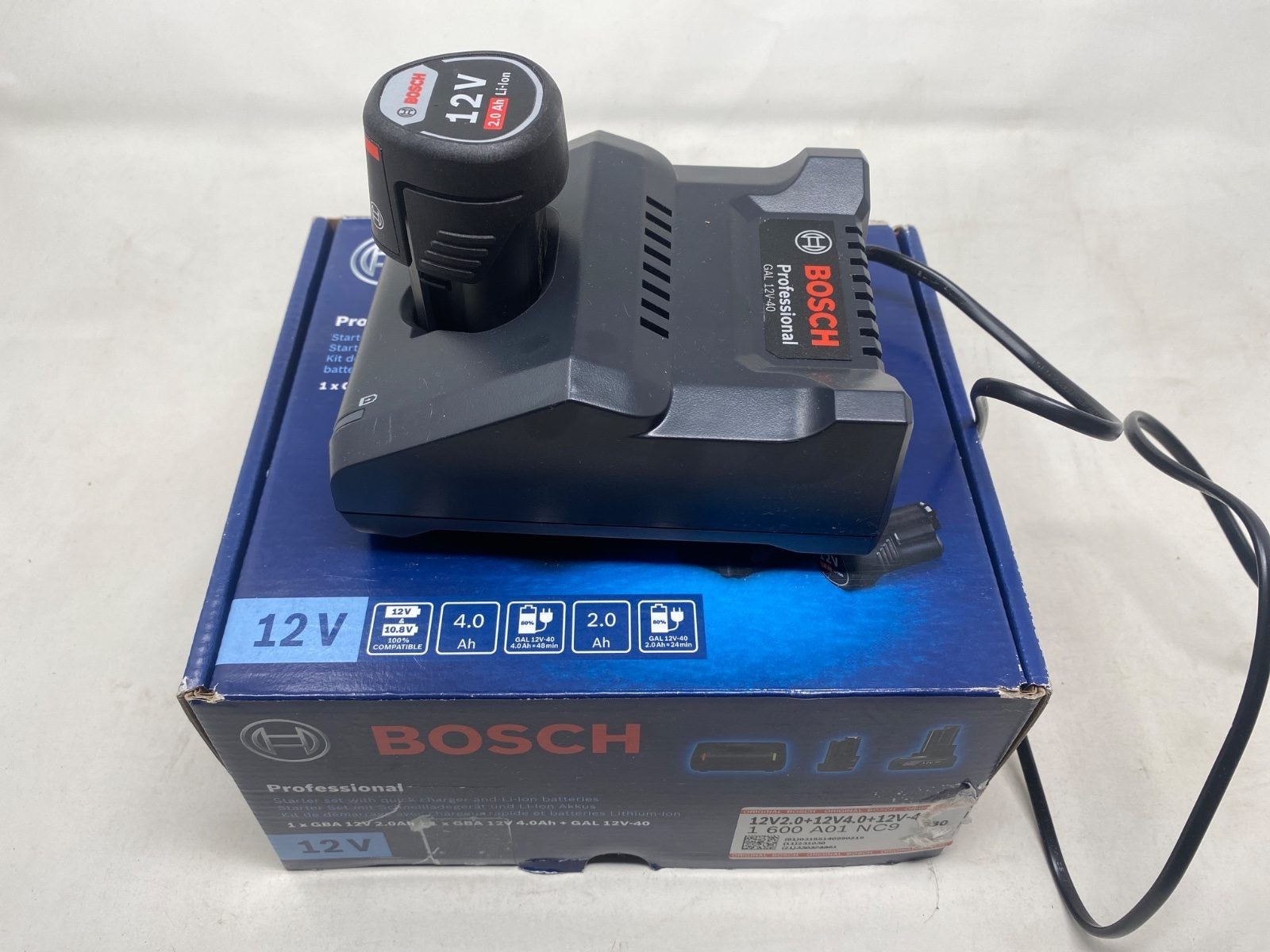
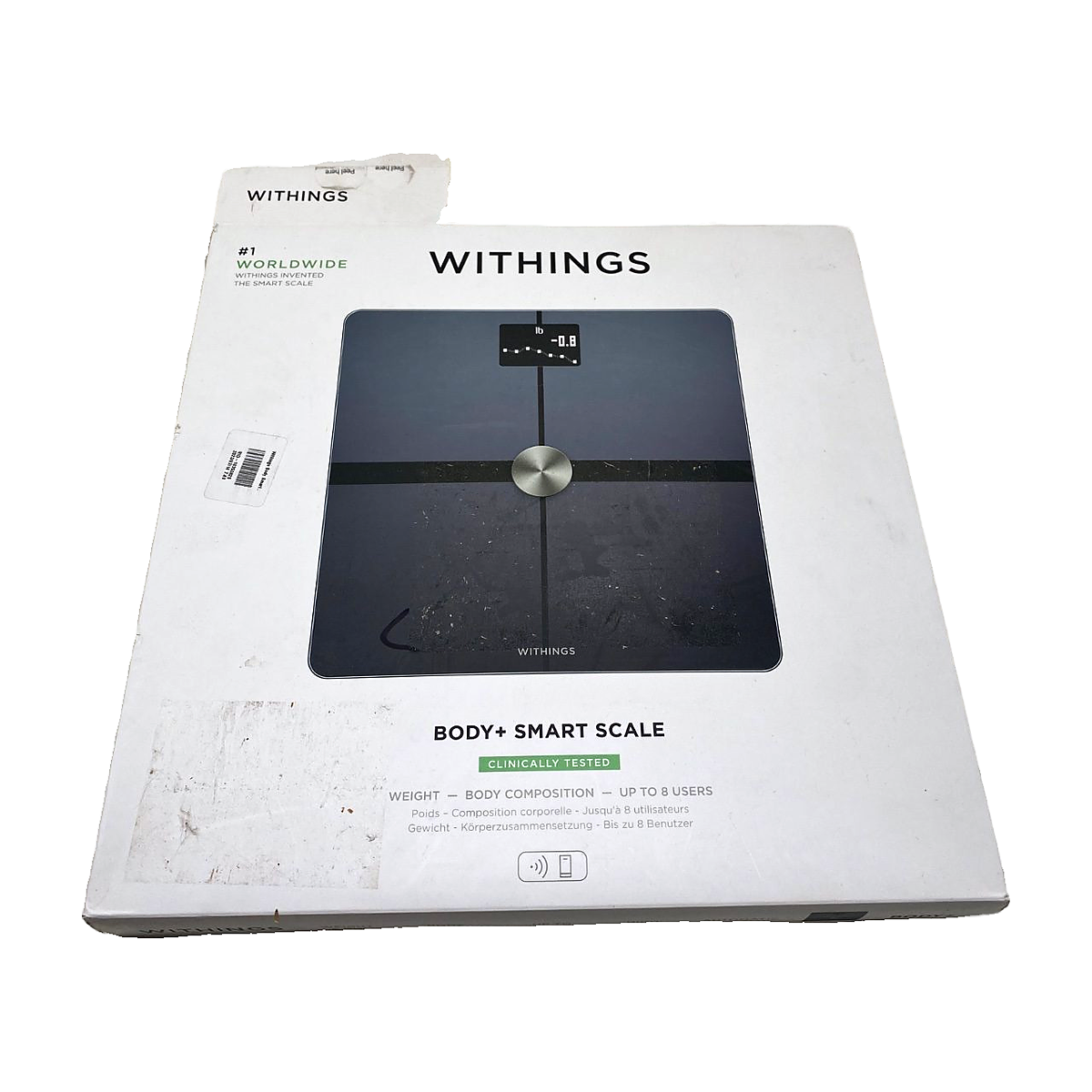
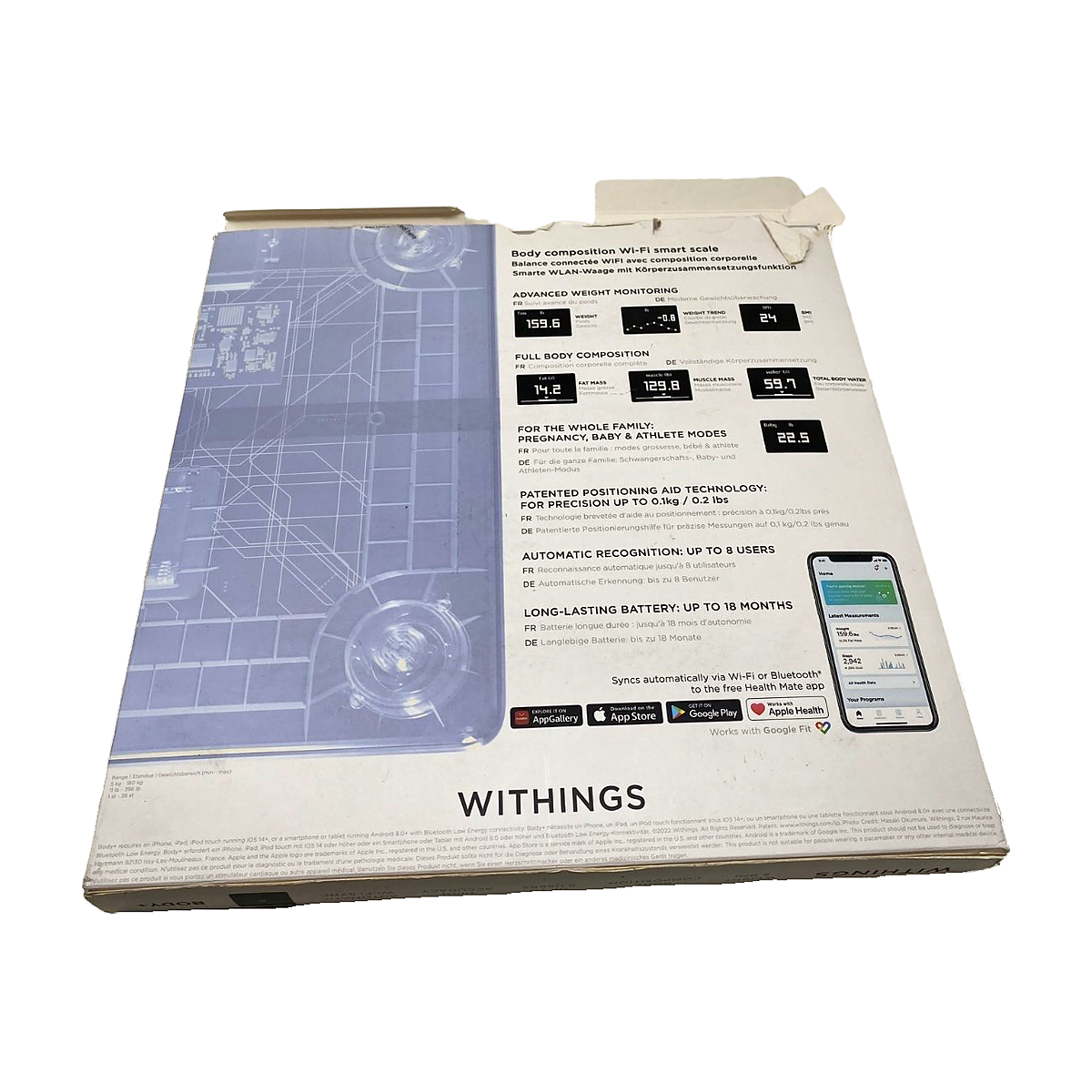
A refurbished tablet costs 349 euros. A refurbished laptop 449. With a two-year warranty. Checked, described, and delivered tomorrow anywhere in Belgium — via Bol.com or via the seller's own webshop. That is 30 to 50 per cent less than new. The difference goes towards the boiler, the floor, the school books, the first session with the psychologist.
If you work that out for thousands of families — not as an estimate, but as simple multiplication — you are talking about millions of euros that stay in affected communities. Millions that do not go towards manufacturing a new device, but towards getting a household back on its feet.
And the device itself? It is a returned product. Something that was ordered by another customer, opened, sent back — sometimes with the protective film still on. We check it, describe it honestly, and offer it again. That is the circular economy at its most concrete — and it becomes most concrete precisely at the moments when it is needed most.
What community resilience means in 2026
The MICRODIS research taught us — through projects at UCLouvain, the University of Heidelberg, and partners in more than ten countries — that the resilience of communities after disasters depends on social ties, on solidarity, on the ability to act together. Bayanihan. Shoulders under one roof.
In 2026 that roof is digital. The school runs on Smartschool. The GP offers video consultations. The social services centre has an online portal. The insurer communicates by e-mail. The municipality sends messages via an app. The neighbours stay in touch via WhatsApp. The psychologist works with a mix of in-person and online sessions.
But still. Without a device that works, that whole digital roof is out of reach. And after a flood — when the television, the laptop, the tablet, the router and the family's smartphones have all become unusable in a single night — the question is not whether you want to function digitally. The question is: can you afford it?
The EU has invested twenty years of research and legislation in sustainability, repairability and the circular economy. That investment makes it possible for a refurbished market to exist today that offers affordable, checked, guaranteed devices. That is no coincidence. That is policy that reaches a product.
Not to make a point of it, but I think that is the finest moment in that policy chain: not the moment the law is passed, but the moment a family in the Vesdre valley unpacks a refurbished tablet. The child logs in to Smartschool. The mother calls her GP. The father fills in the social services form.
Three actions. One device. And a community that is once again a little closer to normal.
What remains
The Walloon government recognised 202 of the 262 municipalities as disaster areas. The EIB signed off on 1.1 billion euros. The social housing companies rehoused hundreds of families. The bridges are being rebuilt. The dykes are being reinforced. The Vesdre is being given more room.
But somewhere in Limbourg — the small town where the Thomson Reuters Foundation photographed the empty social housing in 2022, the overflowing letterboxes, the boarded-up doors — lives a family that has had everything returned to them except the laptop the children need for school.
That laptop is not in a disaster recovery plan. That laptop is not on a list from the housing company. That laptop is not covered by the 50 million for emergency housing.
That laptop costs 449 euros if you buy it refurbished.
And on Monday the children start a new term.