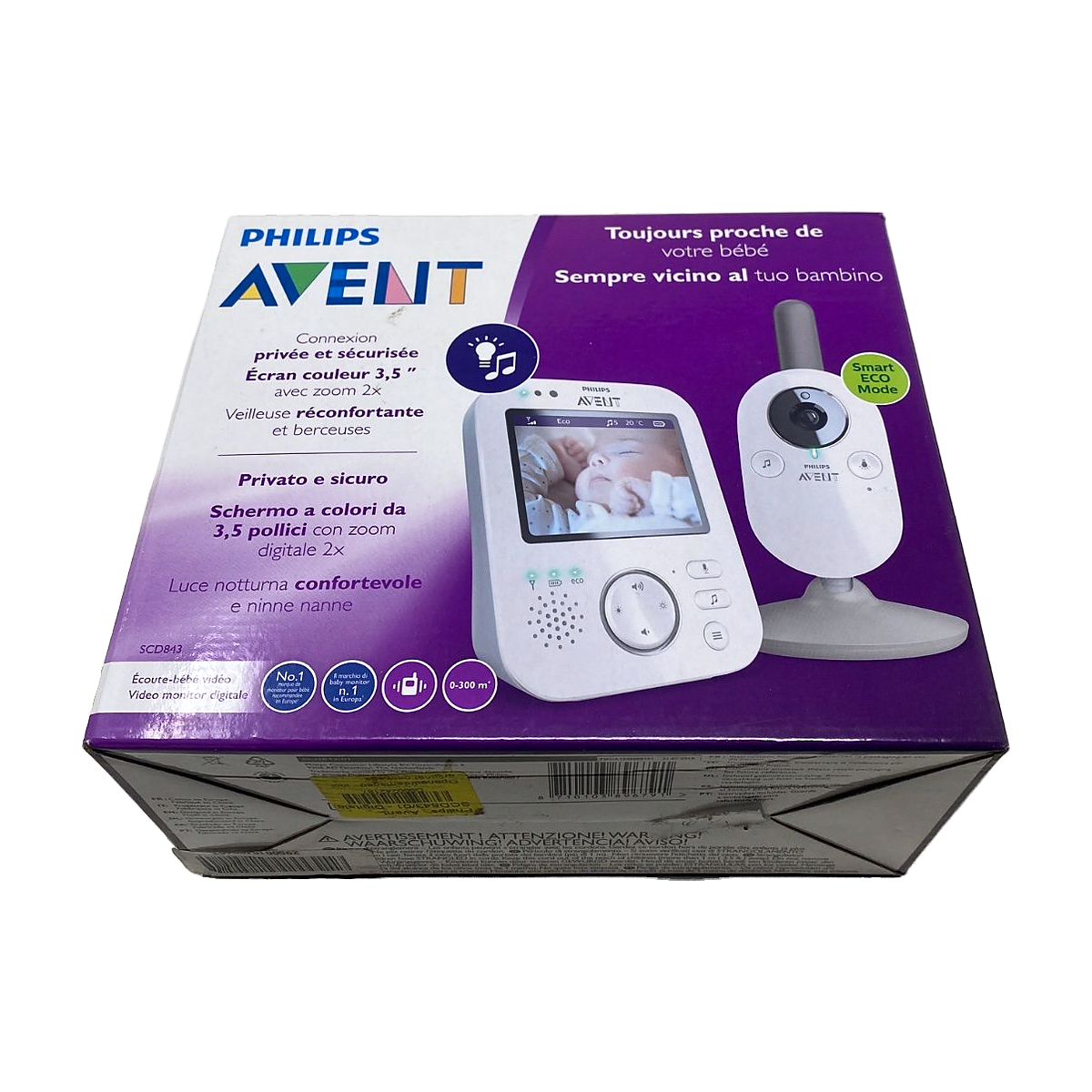
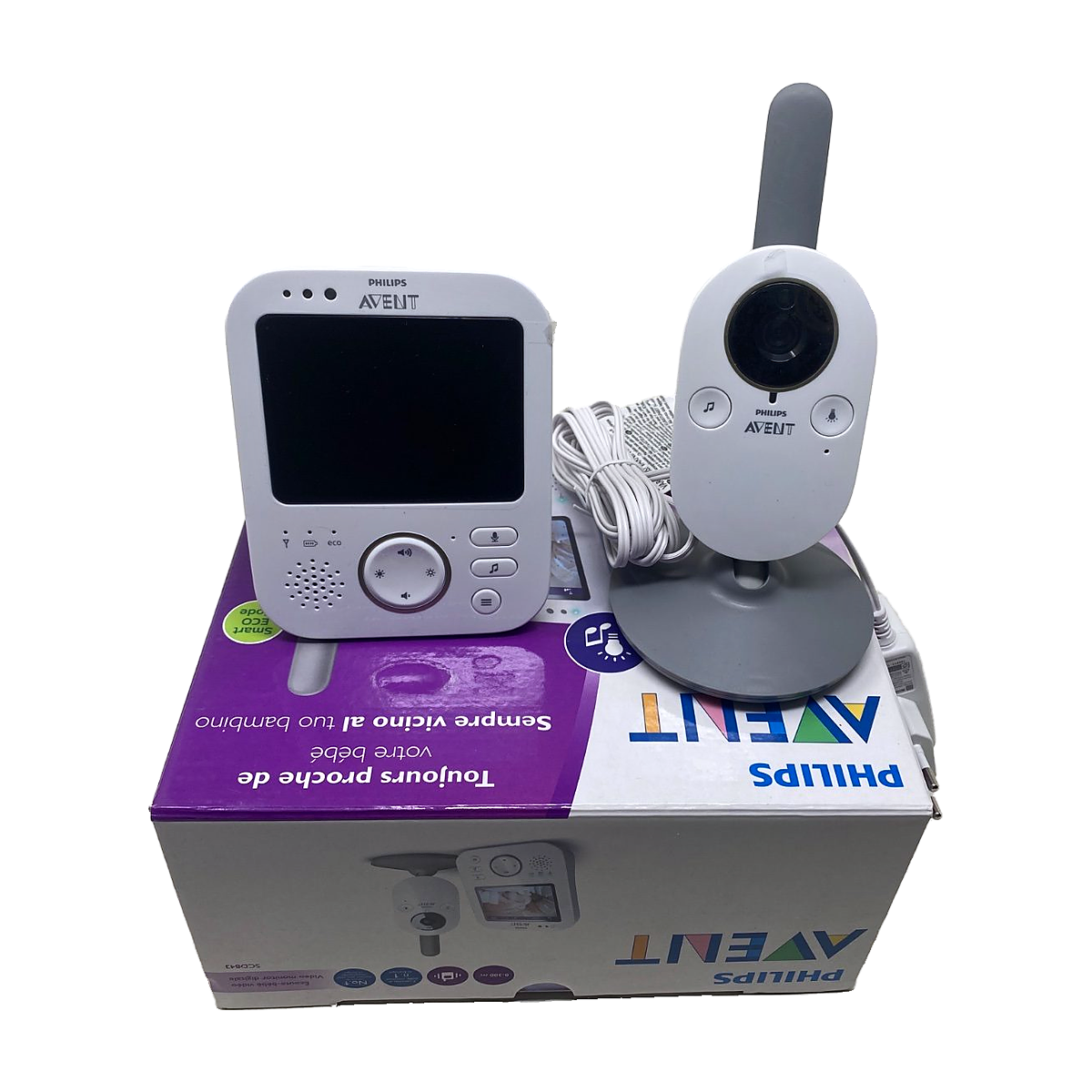
Tuesday morning, half past eight. I open the returns dashboard and count: seventeen new return requests since last night. A Bluetooth speaker that "sounded different than expected." A tablet that was "too heavy." A pair of headphones that "didn't fit my ears." And a JBL speaker for which the customer had given as the reason, with the lovely honesty you sometimes come across: "Impulse buy, sorry."
No need to apologise. Returns are part of the job. By now we know that better than anyone.
We sell second-hand and returned electronics through eBay, Bol.com, Amazon and our own webshop. Every product we sell can come back. And every product that comes back — to us or to other sellers across Europe — is the start of a story most consumers never get to see.
842 billion euros in orders. And then that one button.
In 2024, total European e-commerce turnover came to 842 billion euros, up 7% on the year before. That is according to the European E-Commerce Report 2025 by EuroCommerce and the Ecommerce Europe Foundation, published in the summer of 2025. France is now Europe's largest e-commerce market, followed by the United Kingdom, Spain and Germany.
Impressive growth. But behind every sale sits a button that turns the whole chain upside down: the return button.
According to Statista, around 7% of European e-commerce turnover was returned in 2024. Seven per cent of 842 billion — that is roughly 59 billion euros of products that travelled the other way. Back in the box. Back on the conveyor belt. Back to the seller.
To sellers like us.
What we see when the parcels come back
There is a difference between reading return figures in a report and holding them in your hands. We hold them in our hands. Every day.
Most of the returns that reach us have nothing wrong with them. Really. The speaker sounds exactly as it should. The tablet weighs what it always weighed. The headphones fit most ears perfectly well. But the customer has decided — and that is their right — that it wasn't quite what they were looking for after all.
In the DACH region — Germany, Austria, Switzerland — return rates sit structurally between 20 and 28%, depending on the product category. That is partly down to the German Widerrufsrecht, which gives consumers a more generous withdrawal period than most other European countries. But it also comes down to something simpler: how easily you can order something online and send it back just as easily.
Those returns are no disaster for us. They are our trade.
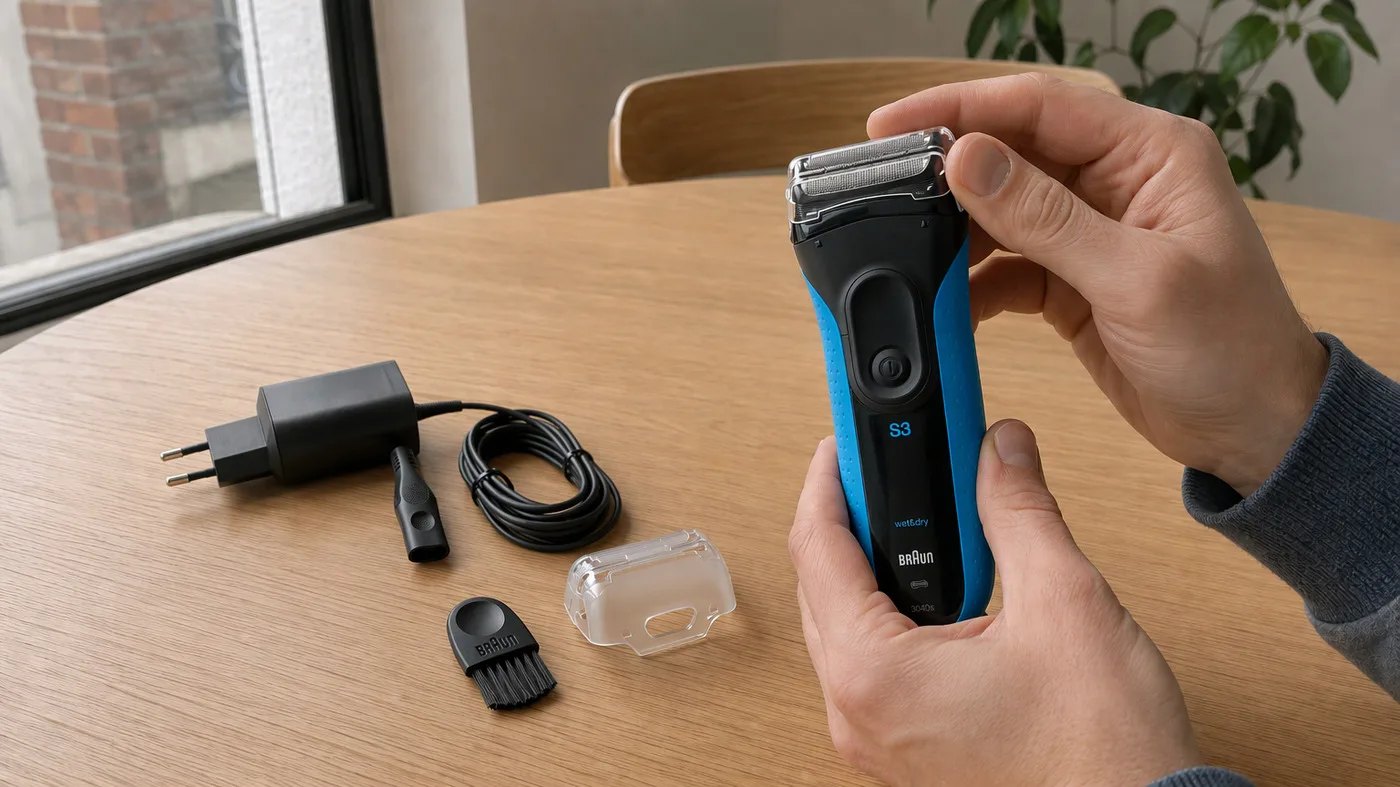
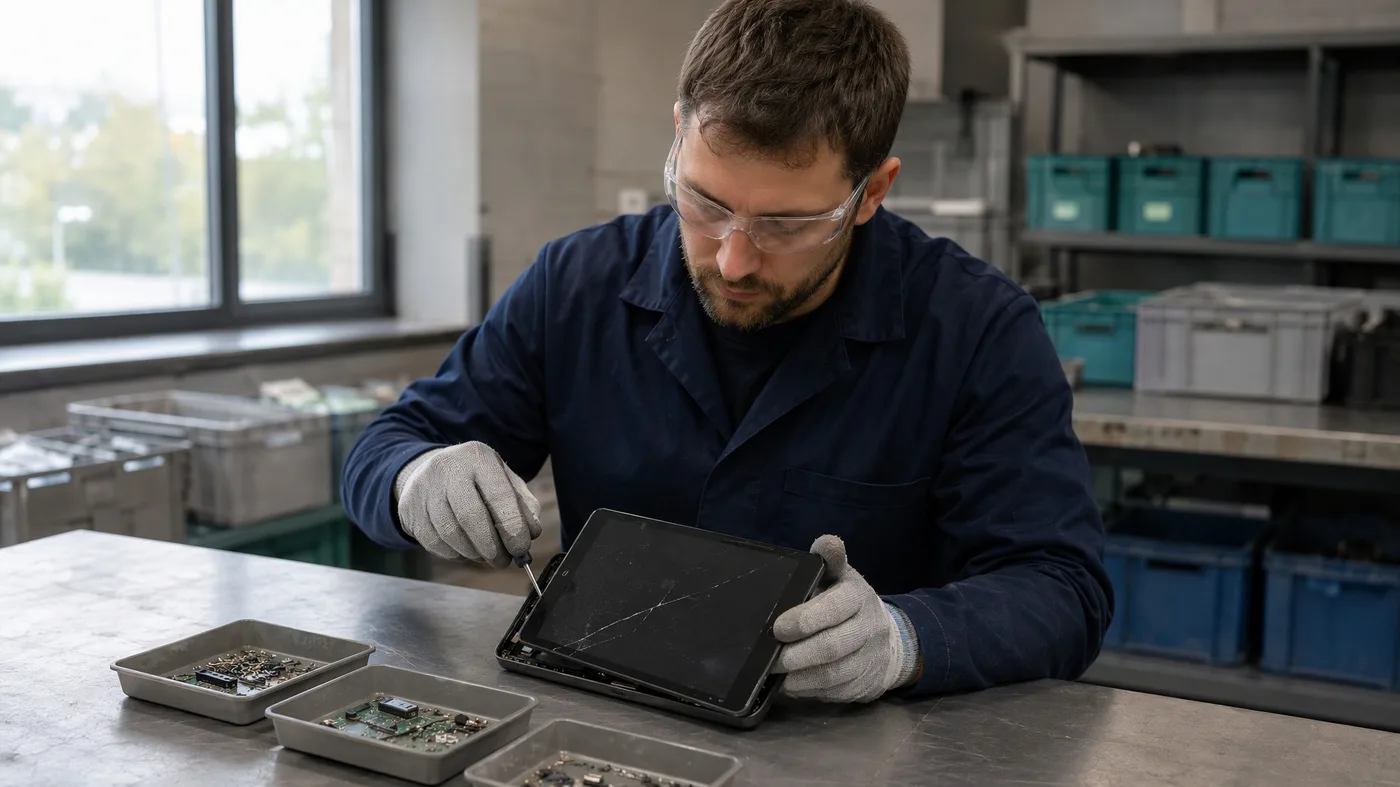
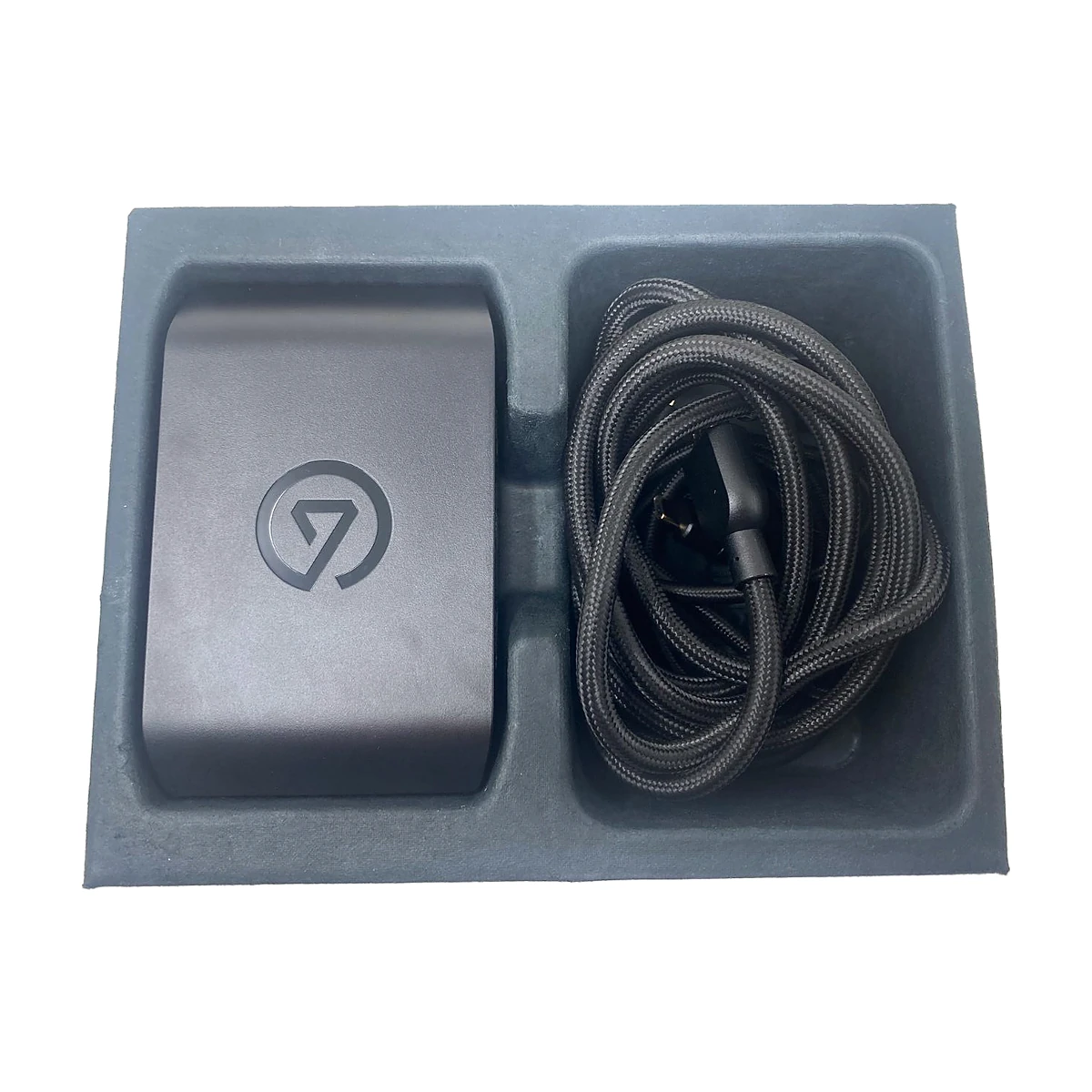
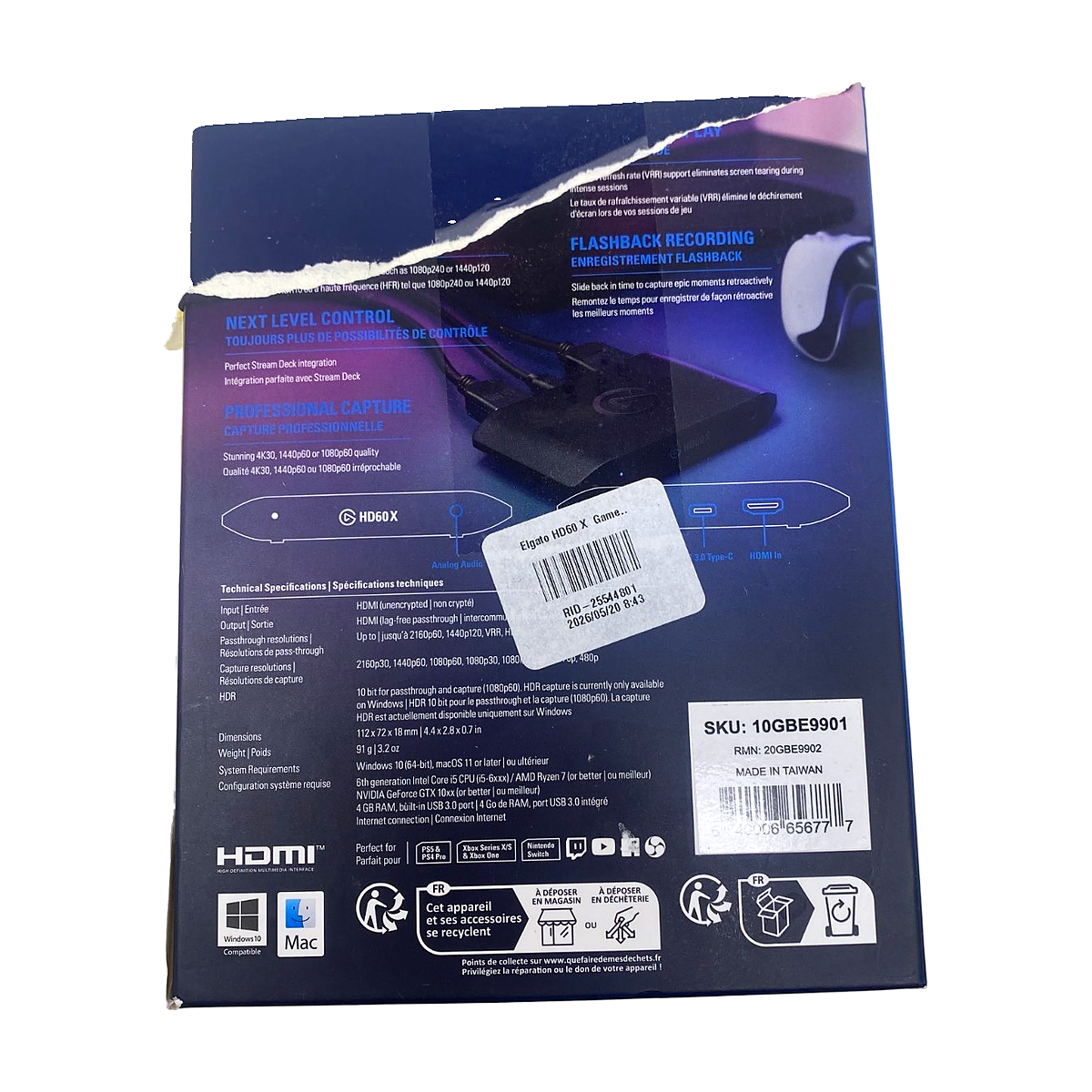
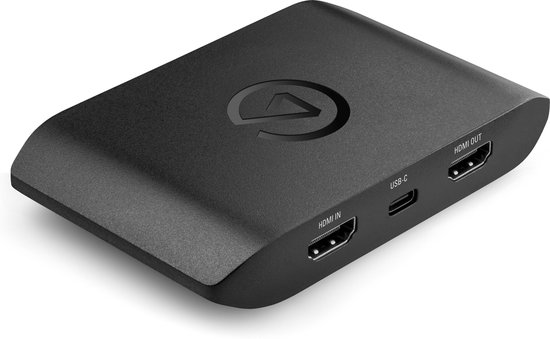
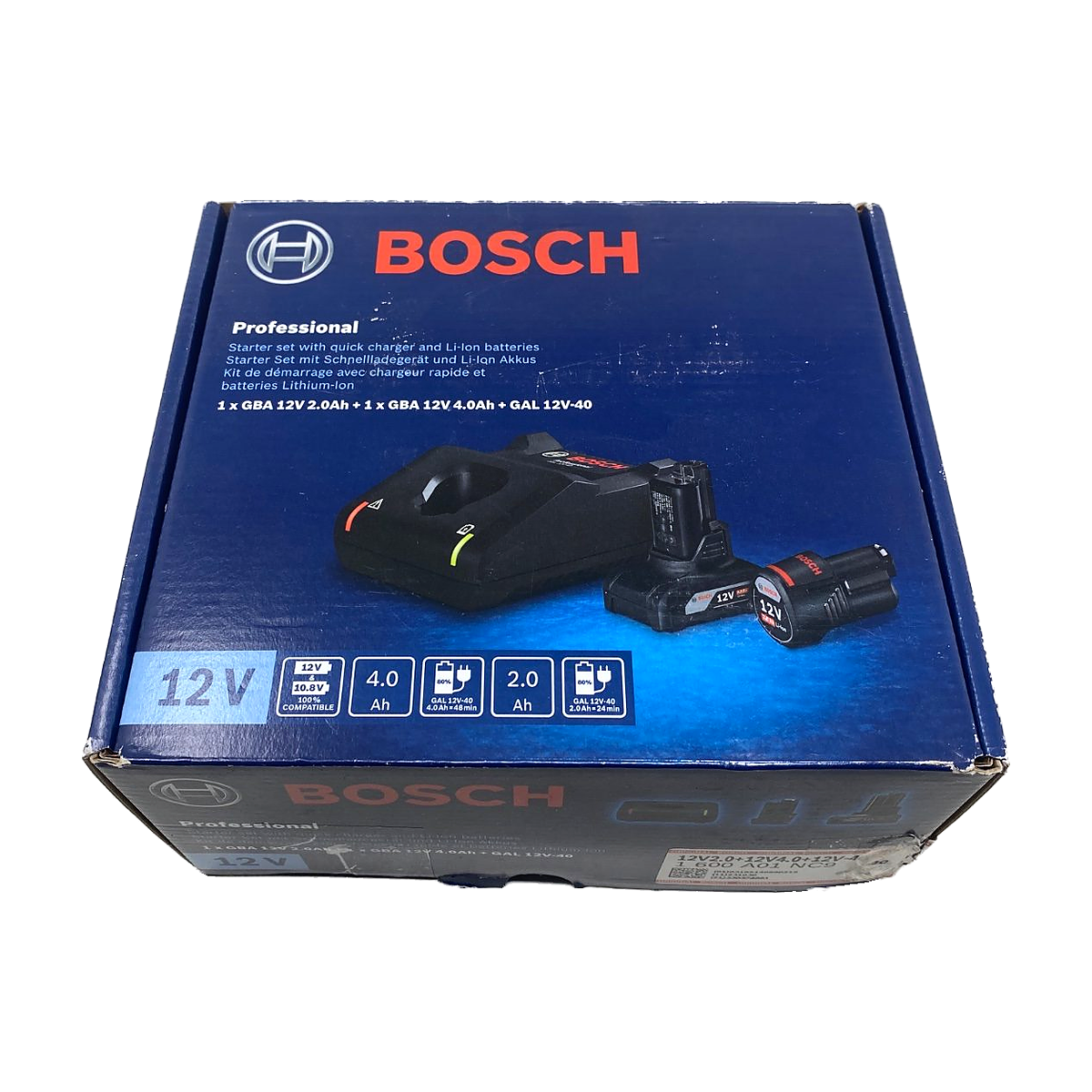
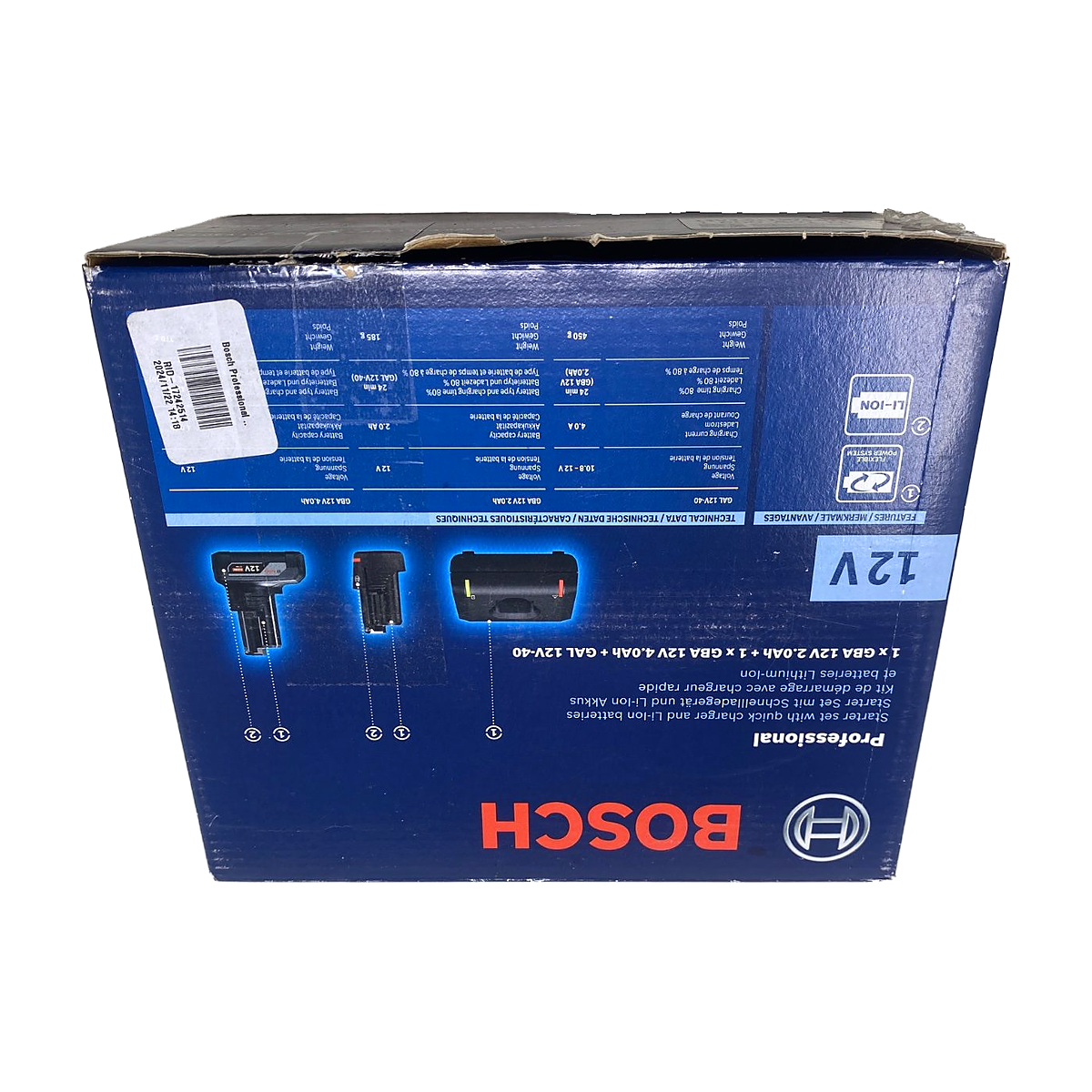
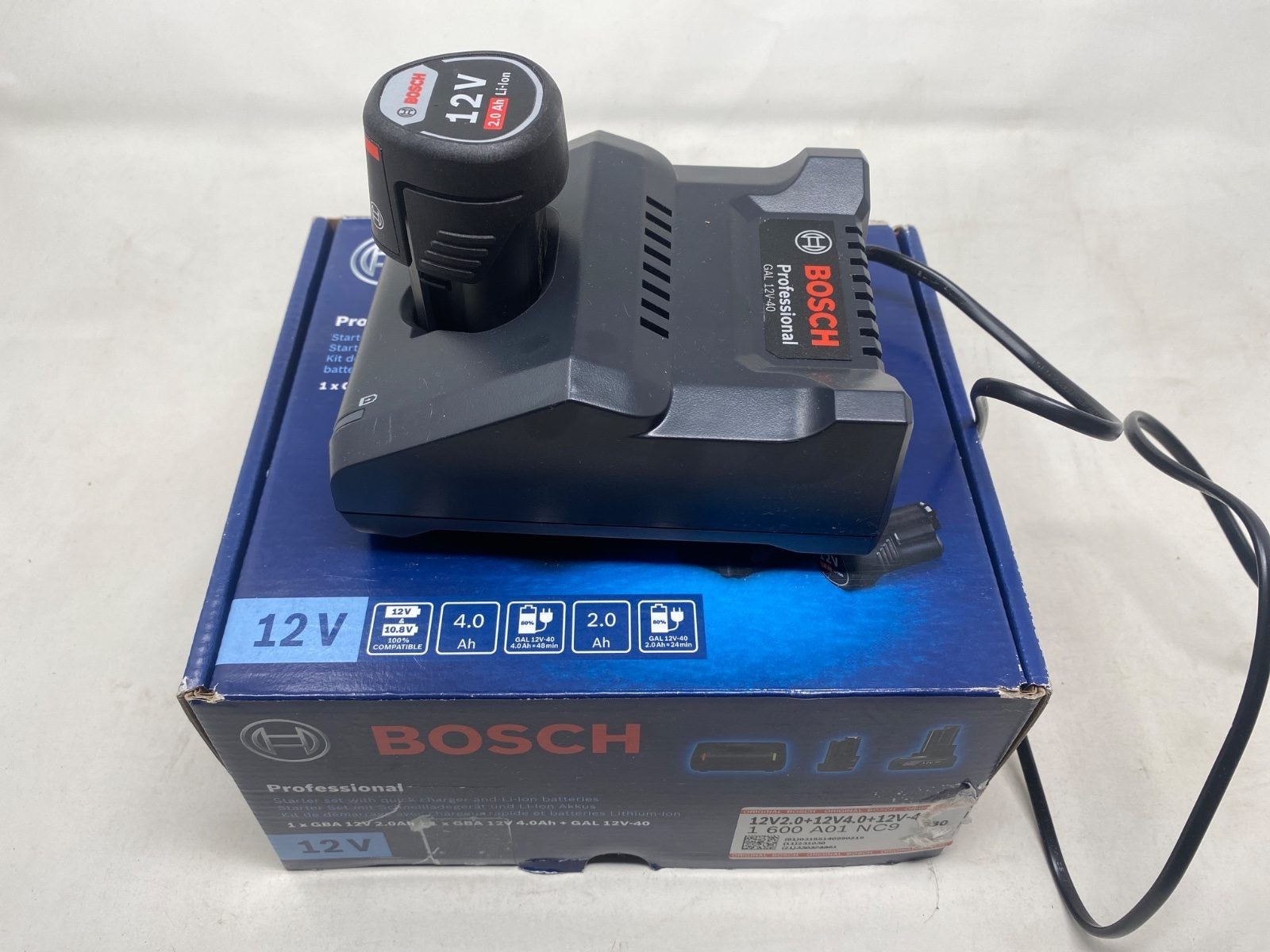
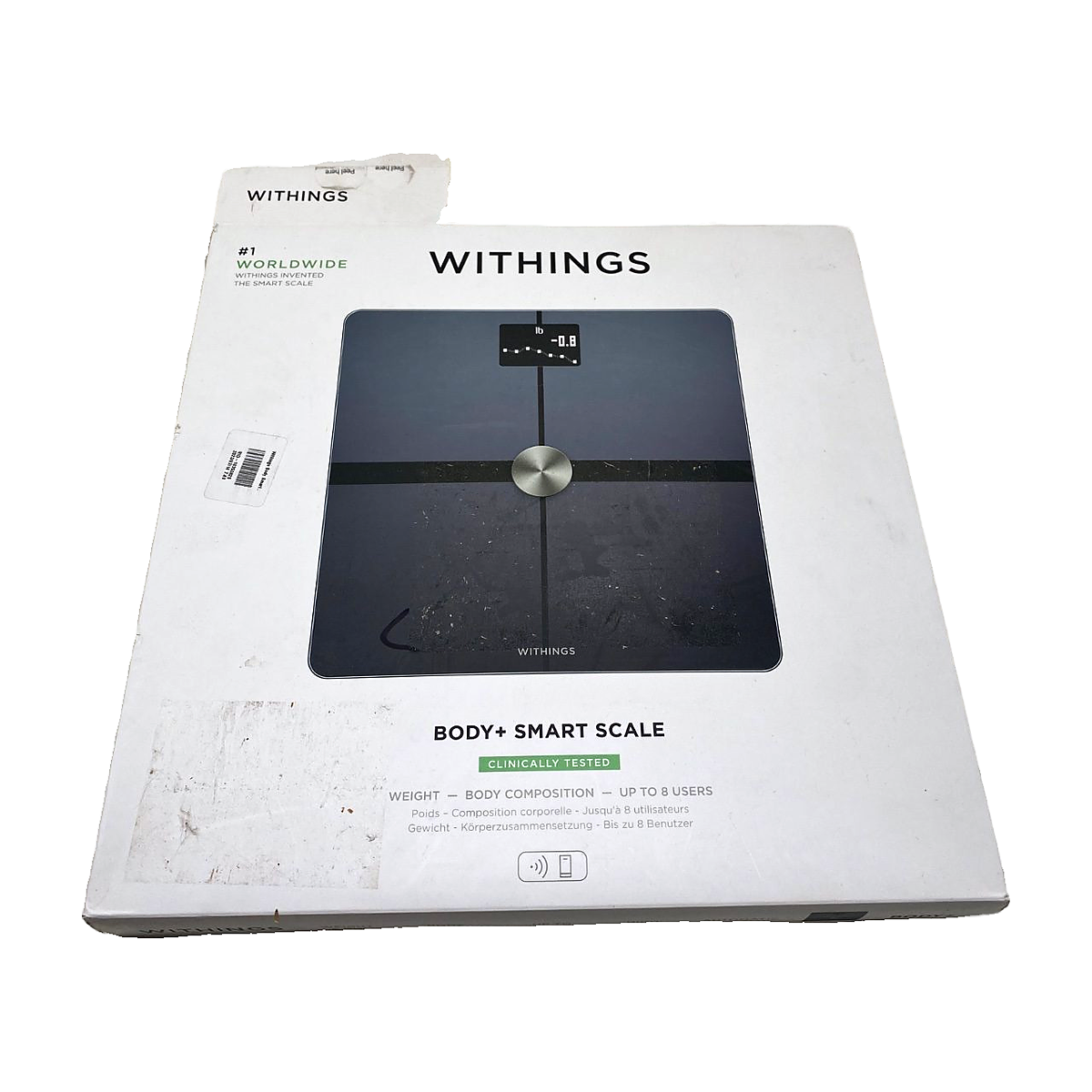
Every product that comes back goes through the same procedure. We open the box — sometimes neatly repacked with the original cables and manual, sometimes stuffed into a plastic bag with a Post-it note. We check that it works and look for damage. And then we decide: does this go back into the shop as new? Does it become a B-grade item with an honest description of that one little scratch? Or is it broken — really broken — and off to the recycling bin?
That sounds simple. And it is. But it is work someone has to do, and work most people never see.
How the marketplaces made this possible without meaning to
This is where it gets interesting. And this is where our small Belgian story ties into a much bigger European one.
In 2017, Reuters published an article on the growth of millionaire sellers on eBay in Europe. The figures were striking: in Germany, the number of sellers with annual turnover above one million euros had risen from 731 to 1,095 in four years. In the United Kingdom, from 443 to 663. Together, those two markets accounted for 30% of eBay's total net revenue — almost 9 billion dollars.
We were not one of those millionaire sellers. We still aren't. But we were — and are — part of the same ecosystem. Marketplace sellers with a Belgian VAT number and a warehouse in East Flanders, using those same platforms every day to sell products to customers in Belgium and the Netherlands.
And it was from that perspective — from the inside, not the outside — that we began to see something the big reports don't describe. The marketplaces did not set out to create a refurbished market. But they did create the conditions that made it inevitable.
They taught millions of consumers to buy online. They made free returns the norm. They created the expectation that you can order something with no strings attached and send it back if it disappoints. And all those return flows — that constant, growing river of products moving the wrong way — had to go somewhere.
We are on the receiving end of that river. And we decided to do something with it.
7.7 billion euros of second chances
According to an October 2024 report by ChannelEngine and Cross-Border Commerce Europe, the European market for refurbished consumer electronics was worth 7.7 billion euros in 2023 — around 8.6% of the total online consumer electronics market. That share is expected to grow to 11% in 2025, a rise of 50% in two years.
I have to be honest: I'm always a little wary of market research figures. The methods are often opaque and the definition of "refurbished" differs from one report to the next. What one calls "refurbished" is, for another, simply "a second-hand product that has been given a wipe."
But the direction is clear. And that direction matches what I see in our own business.
When we started selling on marketplaces, reselling returns was a by-product. Returns that came back to us and made us think: this is too good to throw away. Now it is a deliberate business strategy. We check every returned product, assess its condition and offer it again as a return deal — transparently, with an honest description and a price that makes the difference worthwhile. Not because it's trendy, but because it would be a waste to throw away a perfectly working speaker just because someone ordered it on a Tuesday evening after two glasses of wine.
331 kilograms per laptop
That is the average CO2 emitted in producing a single new laptop. The figure comes from Circular Computing, which analysed the carbon footprint of 230 laptop models. 331 kilograms of CO2 equivalent. Production — mining the metals, making the motherboard, the screen, the SSD — accounts for 75 to 85% of the total carbon footprint over the device's entire lifetime.
Three new laptops together produce almost a tonne of CO2.
A returned product that we sell again? Zero kilograms of extra production. The device already exists. It just needs to end up with someone who is happy with it.
I don't want to turn this into greenwashing. We are a business, not an environmental organisation. But it is a fact — verifiable, measurable — that every product that is resold rather than thrown away makes a new product unnecessary. And the environmental cost of "new" is no small thing.
According to the European Commission, some 4 million tonnes of consumer electronics are thrown away in the EU every year. Only 36% of that is recycled, according to the ChannelEngine report. The rest disappears — into drawers, into cellars, into places it should never end up.
Every product we bring back onto the market is one fewer on that pile. It won't save the world. But it is something. On our sustainability page we do the maths. And in a separate article we dig deeper: how much e-waste does Europe actually generate, and what is the EU doing about it?
The marketplace as a springboard
Germany's Händlerbund — the trade association for online retail — once called eBay a "Sprungbrett für Gründer." A springboard for entrepreneurs. And that is exactly what it was for us.
Without eBay and Bol.com, Secondbay would not exist. Not because we have a romantic founding story involving a garage sale and a dream, but because those platforms gave us the infrastructure to start without first having to build a webshop, integrate a payment system and set up a logistics network. We could sell. Straight away. To millions of potential customers. And along the way we learned the trade — customer service, handling returns, shipping, testing products.
That is the story of thousands of European e-commerce entrepreneurs. Not just the millionaires Reuters counted, but also the businesses just below them. The one-person outfits that grew. The side incomes that became a main income. The hobby sellers who realised one morning that they had a business.
We were one of those businesses. At some point — I can't even say exactly when, it was more a gradual realisation than a eureka moment — we decided that our own webshop was the next step. Not as a replacement for the marketplaces, but alongside them. A place where we could tell the story that doesn't fit on a Bol.com product page. Where we could explain why a returned product is sometimes better than a new one. Where we could show who is behind the boxes. We have written about that step separately — it is a story of its own.
That became Secondbay.
There are bigger players than us. BackMarket, Refurbed, Rebuy — companies with serious funding rounds and European ambitions. In November 2023, Refurbed closed a Series C round and passed 1 billion euros in total GMV in the DACH region. That is a different playing field.
We are a Belgian business. Small enough for every product to pass through our own hands. Small enough to give the customer who emails about their speaker an honest answer the same day. Small enough to say "no" to a product that isn't good enough, without needing a meeting for it.
Still. Small also means vulnerable. We compete with platforms that pour millions into marketing, while we set ourselves apart with something that doesn't scale: attention. Attention to every product. Attention to every customer. Attention to the honesty with which we describe what you are buying.
If there is a scratch, it is in the description. With a photo. If a product is B-grade, we explain why. If something isn't good enough to sell, we don't sell it.
That sounds logical. In practice, it isn't always.
Those seventeen returns from Tuesday morning
The speaker that "sounded different than expected"? It sounds exactly as the manufacturer intended. It is back online now, as a returned product, for 34 euros less than the original selling price.
The tablet that was "too heavy"? 478 grams. I weighed it. That is lighter than a pack of butter. But then, what is too heavy for one person is just right for another. That one is back online too.
The headphones that didn't fit? Still in the packaging, the ear cups not even adjusted. No need for B-grade — these were as new.
And the JBL from the honest impulse buyer? I checked it myself, just to be sure. Sounds excellent. Going online tonight.
Tomorrow there will be new returns again. That's how it works. That's our trade.
Bronnen
- EuroCommerce / Ecommerce Europe Foundation. "European E-Commerce Report 2025" (2025) eurocommerce.eu
- Statista. "E-commerce returns in Europe" — statistics & facts" (2025) statista.com
- Reuters via Yahoo Finance. "eBay millionaire sellers in Germany and UK grow 50 percent in four years" (2017) finance.yahoo.com
- ChannelEngine / Cross-Border Commerce Europe. "TOP 100 Consumer Electronics Retail Europe 2024" (2024) cbcommerce.eu
- Circular Computing. "What Is The Carbon Footprint Of A Laptop?" (2021) circularcomputing.com